On Smart Cities & the Future
“The future of transportation is not about moving cars faster — it’s about moving people smarter.”
— Transportation Design Philosophy
“Smooth roads reflect a smooth society. Every signal respected is a small act of civilization.”
— Anonymous
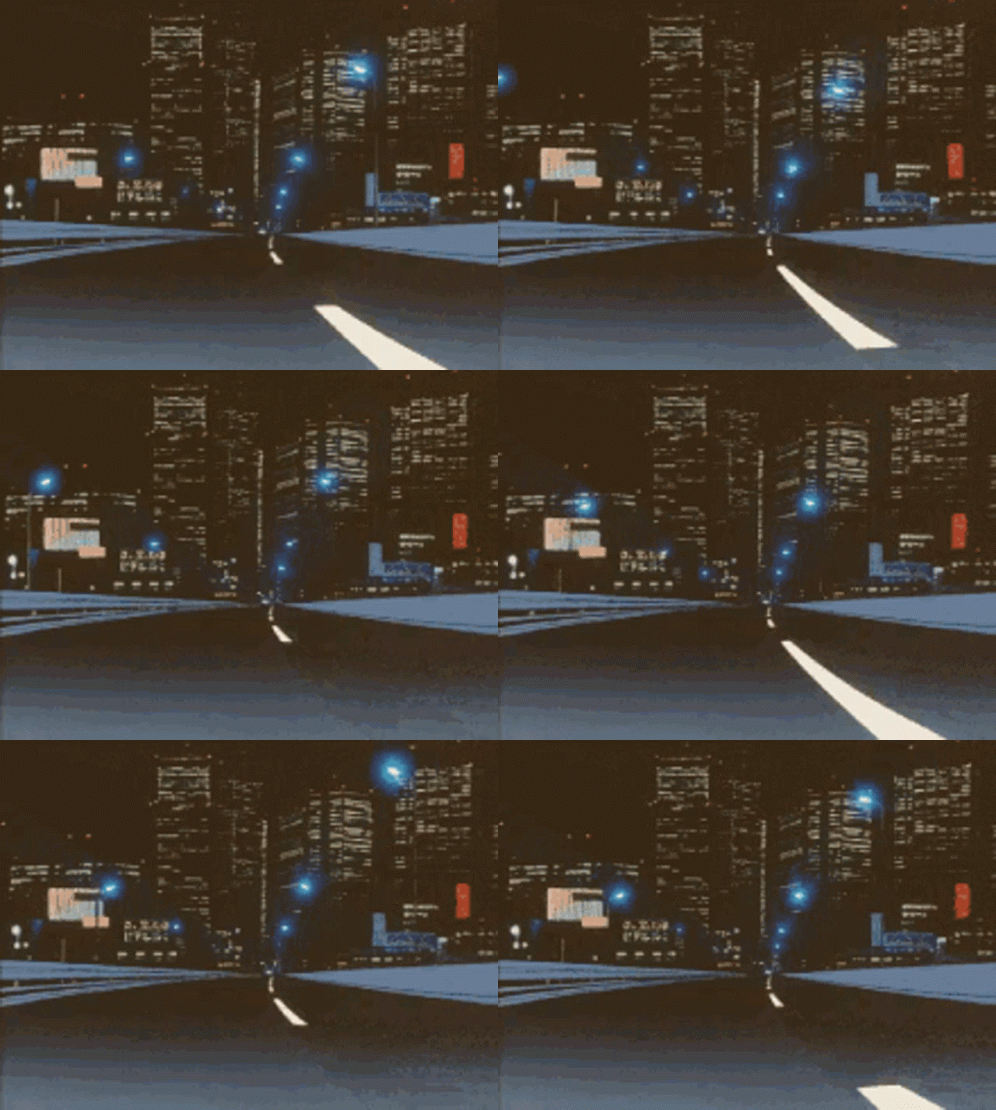
The Best Thing You Can Do for Your City: Fix the Traffic
Urban Living · City Guide · Civic Pride
The Best Thing You Can Do
for Your City? Fix the Traffic.
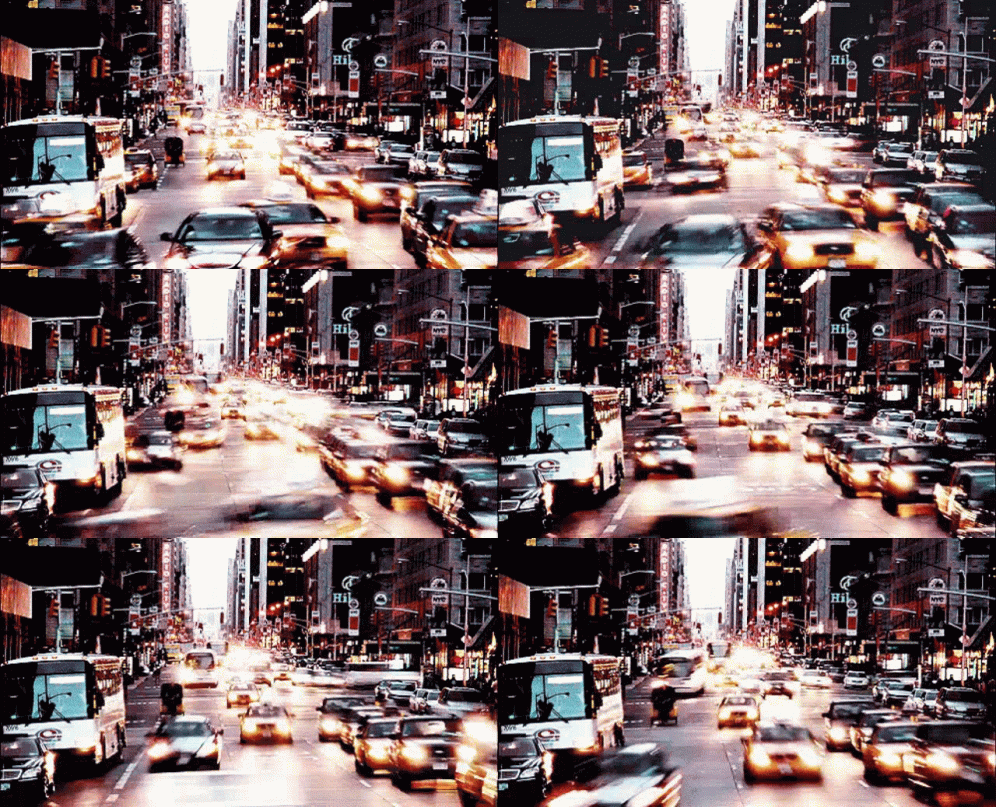
“Traffic isn’t just an inconvenience — it’s the heartbeat of a city gone out of rhythm. And you? You have the power to help it find its beat again.”
Let’s be honest. You’ve sat there. Engine idling, knuckles maybe a little white on the steering wheel, staring at a sea of red brake lights stretching all the way to what appears to be the horizon — or at least to the next traffic signal, which might as well be the horizon. You’ve muttered something under your breath. You’ve been late. You’ve been frustrated. You’ve probably blamed the city, the planners, the potholes, the guy who cut you off two lights back.
But here’s a wild thought: what if you were actually part of the solution? What if the single best civic contribution you could make — better than signing petitions, better than posting strongly-worded opinions online — was to actively participate in making your city’s traffic flow smarter, faster, and more humane?
Traffic control isn’t just a government problem. It’s a community problem. And community problems need community heroes.
Why Traffic Actually Matters — A Lot
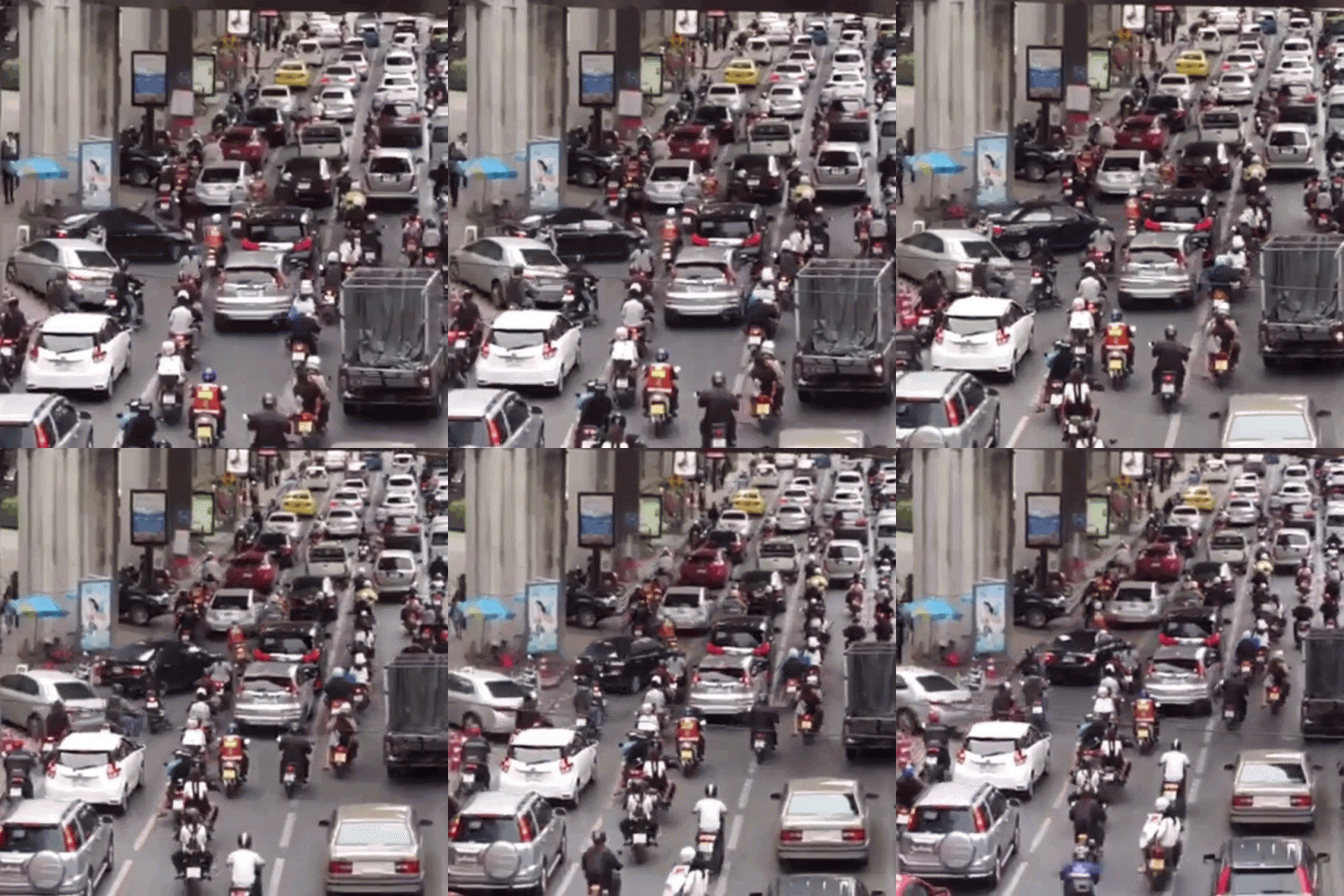
We tend to think of traffic as a background inconvenience — like a slow Wi-Fi connection or a grocery line that mysteriously never moves. But the data tells a far more serious story.
97Hours lost per driver per year in traffic
$87BAnnual cost of congestion in the US alone
29%Of urban emissions come from gridlocked traffic
Nearly 100 hours a year. That’s more than two full work-weeks spent sitting in your car going nowhere. And that’s just your time. Add in the fuel burned, the emissions pumped into the air your kids breathe, the ambulances delayed, the delivery trucks backed up, the parents missing school pickups — and suddenly traffic congestion isn’t just annoying. It’s a public health issue. It’s an economic drain. It’s a quality-of-life crisis.
“A city’s roads are its veins. When they clog, everything suffers — from commerce to culture to the simple joy of getting home in time for dinner.”— Urban Planning Wisdom, passed down through frustrated commuters everywhere
So What Can You Actually Do?
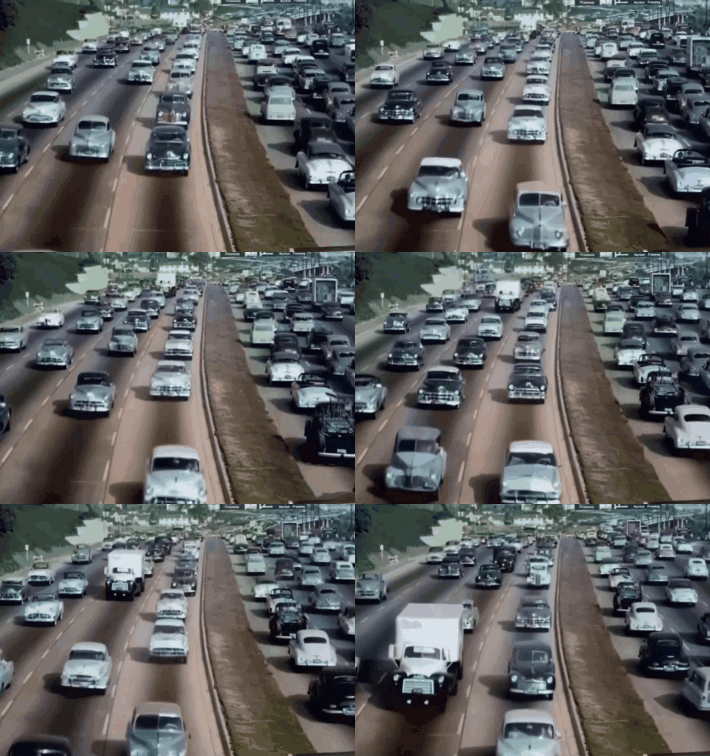
Here’s where it gets genuinely exciting. Because unlike most big civic problems — housing policy, zoning laws, infrastructure budgets — traffic control is one area where individual behavior has an enormous, measurable, and almost immediate impact. You don’t need a city council seat. You don’t need a six-figure grant. You just need to show up differently.
- Shift your schedule by just 30 minutes. Peak hour congestion is brutally predictable. Leaving 30 minutes earlier or later can shave 20–40% off your commute time — and one less car in peak traffic genuinely does ease the flow for everyone else.
- Take public transit once a week. Just once. Every commuter who switches to the bus or train removes a car from the road. If 10% of drivers did this on alternating days, city traffic models suggest rush-hour congestion could drop by up to 15%.
- Report incidents and hazards through city apps. Most cities now have apps where residents can flag potholes, signal outages, or accidents in real time. Your report triggers faster responses, which means faster clearance, which means shorter tie-ups for thousands of drivers behind.
- Respect merge etiquette — seriously. The zipper merge is scientifically proven to move traffic faster and more safely than early lane changes. Learning and practicing it is one of the most genuinely civic things you can do on a highway.
- Walk or cycle for any trip under 2km. It sounds almost too simple. But short car trips — under 2 kilometers — account for a disproportionate share of urban congestion, especially near schools, shops, and restaurants. Walk it. You’ll get there faster, and you’ll feel amazing doing it.
- Show up to local traffic planning meetings. Your city’s transportation department holds public hearings. They need real resident input. Your voice on where a new signal is needed, or why a particular intersection is dangerous, shapes decisions that affect hundreds of thousands of people.
The Ripple Effect Is Real
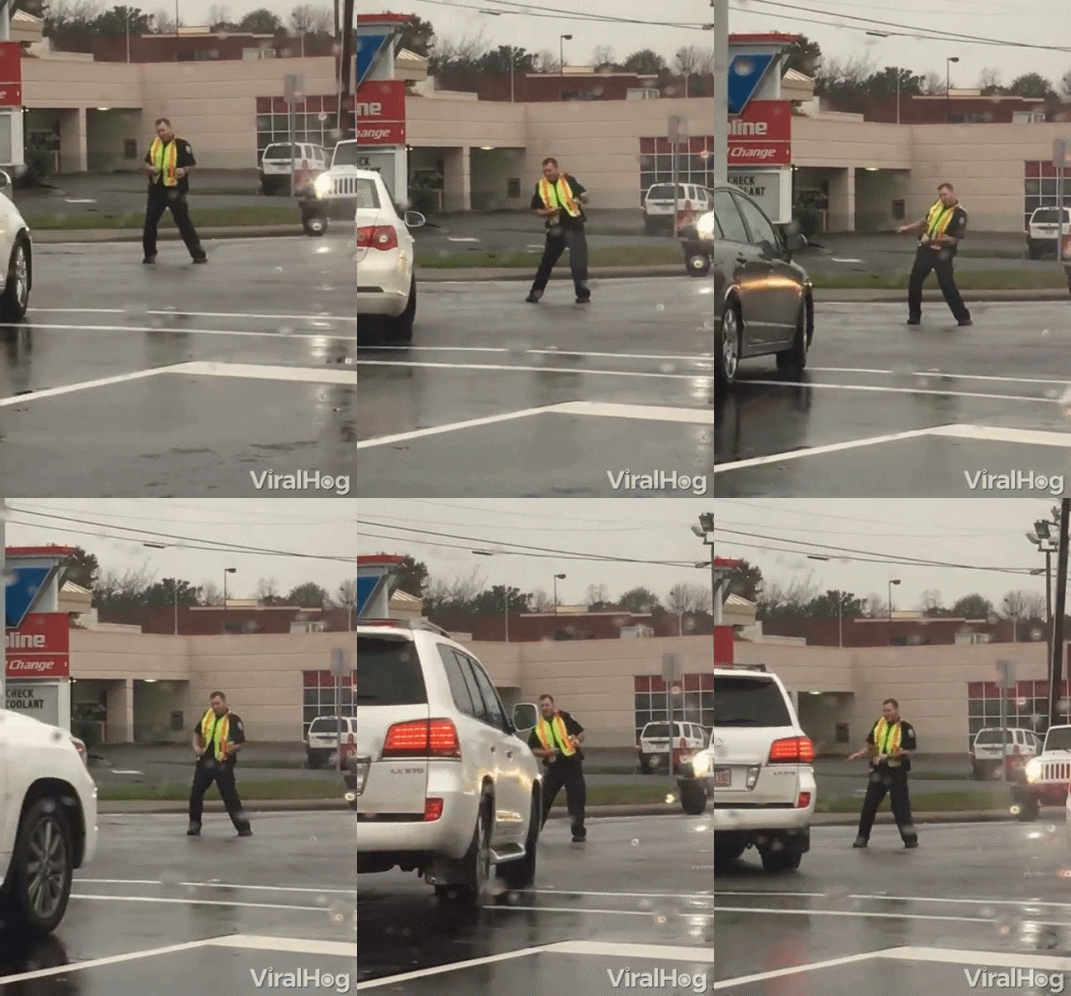
Here’s what makes traffic control such a beautiful civic cause: it has a genuine ripple effect. When you choose to carpool, you don’t just save yourself time — you remove a vehicle from a road that someone else’s ambulance uses. When you report a broken traffic light, you prevent the 47-car backup that forms behind it every evening for weeks.
Traffic is one of those rare systems where small, individual actions accumulate into something transformative at scale. Economists call it a “network effect.” City planners call it “modal shift.” The rest of us just call it: finally getting home before the kids go to bed.
🌱
The Green Bonus Nobody Talks About
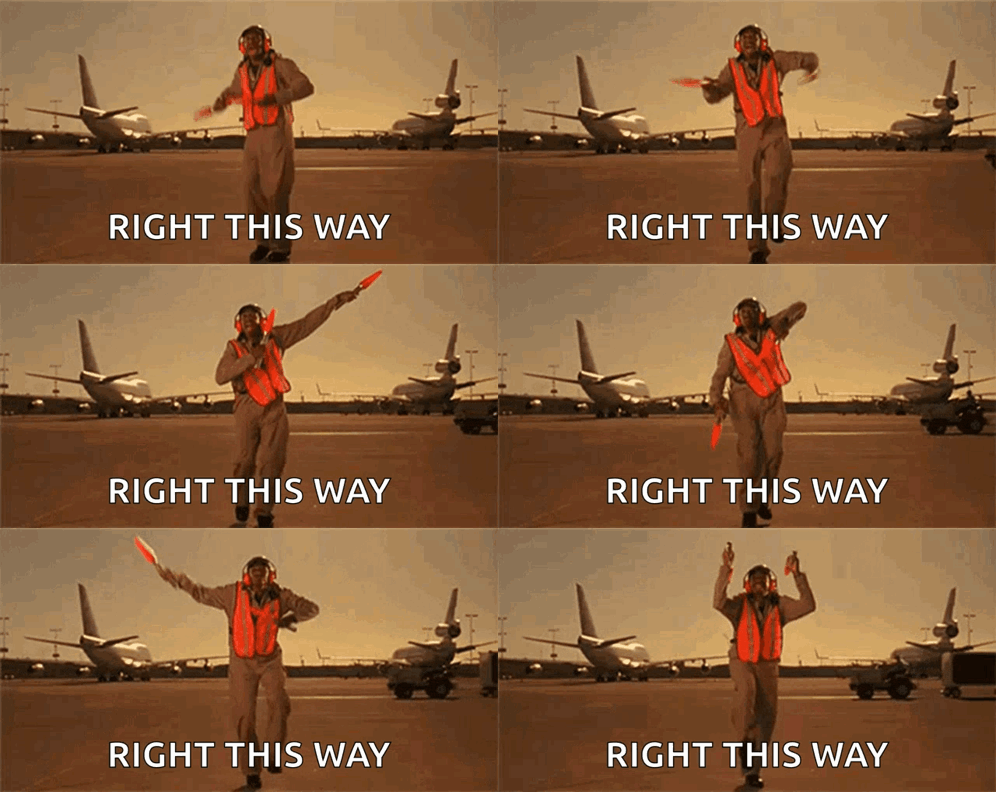
Every minute a car spends idling in traffic burns fuel and emits CO₂ without going anywhere. Smoother traffic flow — achieved through better signal timing, fewer bottlenecks, and reduced car trips — is one of the quickest wins available for reducing a city’s carbon footprint. When you help ease congestion, you’re not just saving time. You’re literally cleaning the air.
Your City Is Waiting for You
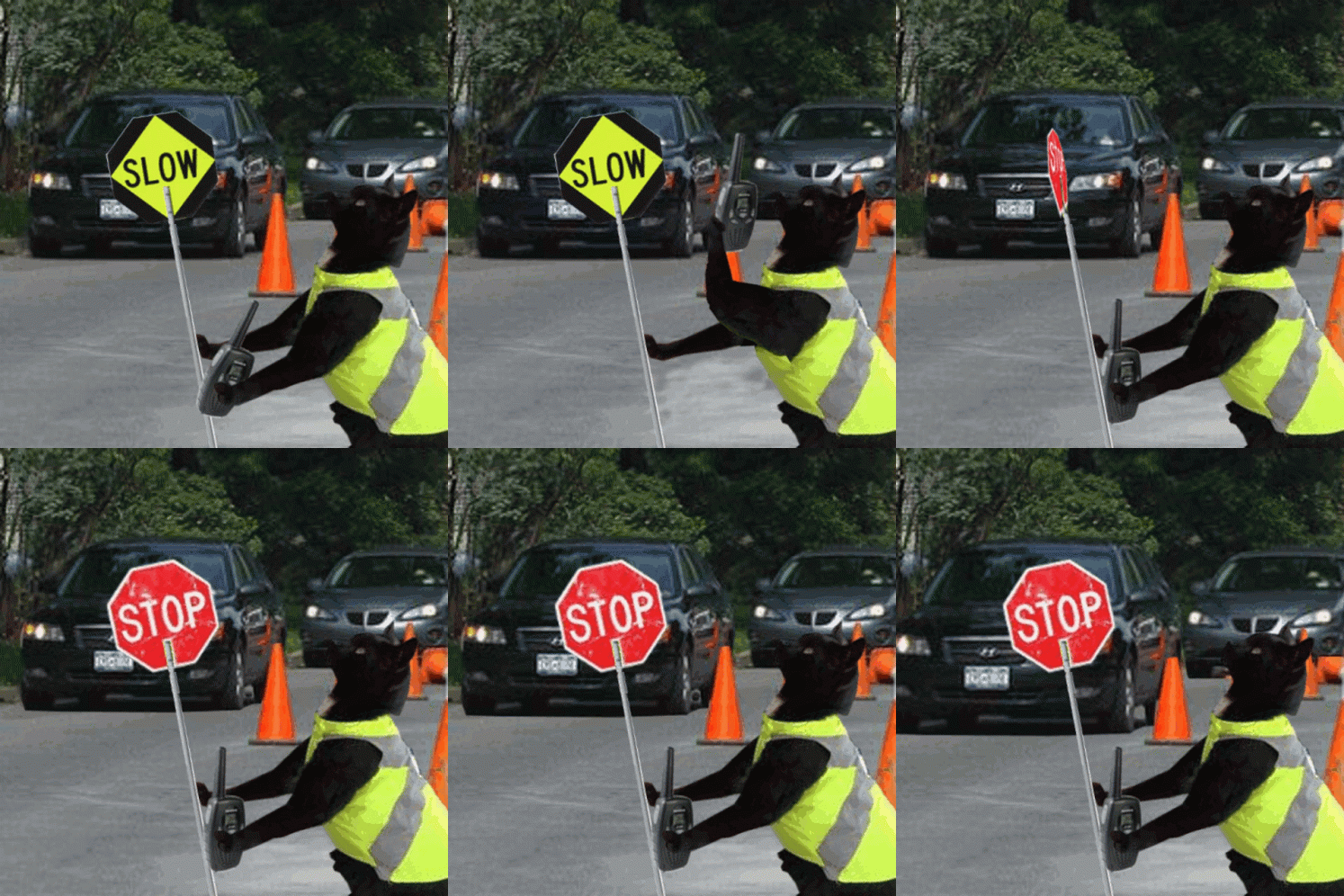
There’s something deeply hopeful about traffic control as a civic movement, and here’s why: it doesn’t require anyone to be a saint. It doesn’t ask you to sacrifice convenience on principle. It just asks you to be slightly more thoughtful about how you move through the city you already love.
You love your city. You love its coffee shops and its parks, its weird local festivals and its terrible sports teams that you’d never actually stop supporting. You love that one street that looks unbelievably good in autumn, and the shortcut only locals know. That city deserves better than gridlock. It deserves to breathe.
And the incredible, empowering, maybe-slightly-emotional truth is this: you can give it that. Not alone, of course. But you, and your neighbor, and the person in the next lane over who you’ve been glaring at for three lights — all of you, making slightly different choices, day after day — can actually change what a city feels like to live in.
That’s not a small thing. That’s everything.
“The road ahead is only as open as the choices we make today. Drive less. Report more. Show up. Your city will thank you — and so will everyone stuck behind you.” Urban Living Blog · Traffic & City Life · May 2026

 kohsarblog
Leave a comment