The cost of environmental neglect is far greater than the cost of environmental protection.” – Ronald Reagan, former President of the United States (economic argument for pollution control)

POLLUTION
One Law to Breathe Free: Rewriting the Narrative on Pollution with Policy
Imagine a world where children play without wheezing, oceans teem with life instead of plastic, and cityscapes shimmer under clear skies. It might seem like a utopian dream, but what if achieving it required just one small change? As I gazed out my window, watching smog shroud the once-vibrant cityscape, a thought sparked: if I had the power to alter a single law, what would it be to truly combat pollution?
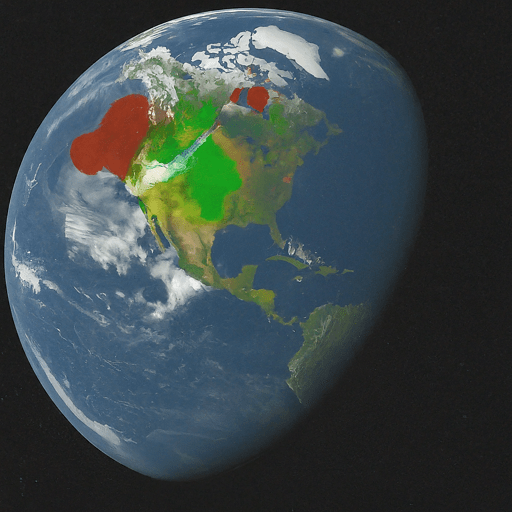
The answer, I realized, wasn’t a singular stroke of the pen, but a transformative shift in how we value our environment. Pollution isn’t just an aesthetic nuisance; it’s a silent killer, responsible for an estimated 9 million premature deaths annually, according to the World Health Organization. Air pollution alone shortens life expectancy by an average of 3 years globally, with children and the elderly bearing the brunt of its impact. The economic cost is staggering too, with the OECD estimating air pollution’s damage at $6.1 trillion annually – a sobering price tag for our unchecked emissions.
But amidst the grim statistics, glimmers of hope emerge. A 2020 study published in Nature Sustainability found that global air quality improved by 10% during the initial lockdowns of the COVID-19 pandemic, highlighting the potential for change when we prioritize environmental health. This data serves as a potent reminder that we have the power to rewrite the narrative on pollution, not through individual sacrifice, but through collective action driven by the right policies.
So, what’s the law I envision? It’s not a single regulation, but a comprehensive environmental protection act with teeth. This act would:
- Establish binding pollution reduction targets: Similar to the Kyoto Protocol’s approach to greenhouse gas emissions, we need clear, science-based goals for various pollutants, holding industries and governments accountable for achieving them.
- Implement a polluter-pays principle: Those who create pollution should bear the cost of managing and mitigating its harm. This incentivizes innovation in cleaner technologies and reduces the burden on taxpayers.
- Invest in green infrastructure and renewable energy: Transitioning away from fossil fuels is crucial for long-term sustainability. The law would allocate significant funding to support renewable energy development, sustainable transportation options, and green building practices.
- Empower public participation and environmental justice: Communities disproportionately affected by pollution must have a voice in shaping environmental policies. The law would ensure transparency, public access to information, and opportunities for community involvement in decision-making.
- Prioritize research and development: We need continued advancements in pollution monitoring, control technologies, and remediation strategies. The law would dedicate funding to research institutions and universities to accelerate progress in these critical areas.
This isn’t an exhaustive list, but it paints a picture of a transformed legal landscape where environmental protection is woven into the fabric of society. The data is clear: the status quo is unsustainable. We need bold, systemic change, and this act lays the foundation for a future where clean air, clean water, and a healthy planet are not privileges, but fundamental rights for all.
This is just the beginning of the conversation. What law would you change to combat pollution? Share your thoughts in the comments below, and let’s rewrite the narrative together, one policy change at a time. Remember, the power to create a healthier planet lies not just in the hands of policymakers, but in the collective voice of citizens demanding a cleaner, brighter future.

 kohsarblog
Leave a reply to ALI NAWAZ RAJPUT Cancel reply