“Peace is not the absence of chaos, but the presence of preparation. Create your emergency plan today—because when life shakes things up, the calm you feel comes from knowing you’ve got a plan.”
Create an Emergency Preparedness Plan: Your Superpower for Peace of Mind
Let’s talk about something we all hope we never need—but will be incredibly grateful for if we do: an emergency preparedness plan. Sounds a little intense? Maybe a bit like something only survivalists or doomsday preppers worry about? Think again. Preparing for emergencies isn’t about fear—it’s about empowerment. It’s about saying, “I’ve got this,” even when life throws a curveball.
And honestly? Creating an emergency plan is one of the most loving, responsible, and downright smart things you can do for yourself and your loved ones. Whether it’s a sudden storm, a power outage, a wildfire, or even a medical emergency, having a plan in place means you’re not just reacting—you’re responding with clarity, confidence, and care.
So grab a cup of coffee (or tea, or water—hydration is part of preparedness too!), settle in, and let’s walk through how you can build a simple, effective emergency preparedness plan that feels less like a chore and more like a gift to your future self.
Why Bother? Because You Matter
First, let’s get real: emergencies don’t care about your schedule. They don’t check the weather app before showing up. And they definitely don’t wait until you’re “ready.” But here’s the good news—you don’t need to be a superhero to prepare. You just need to care.
Think about it: What would you do if your neighborhood lost power for days? If a flood forced you to evacuate quickly? If a family member got sick and you couldn’t leave the house? Without a plan, stress skyrockets. Decisions become frantic. But with a plan? You breathe easier. You know where the flashlight is. You know who to call. You know you’ve got supplies, contacts, and a strategy.
An emergency plan isn’t about predicting the future—it’s about protecting the present.
Step 1: Talk to Your People
Start with a conversation. Gather your household—your partner, kids, roommates, even the dog (okay, maybe not the dog, but you get the idea). Sit down together and talk about what matters.
Ask questions like:
- What kinds of emergencies are common in our area? (Floods? Earthquakes? Winter storms?)
- Where would we go if we had to leave quickly?
- Who checks in on Grandma during a storm?
- What would we grab if we had five minutes?
This isn’t a drill sergeant briefing. Make it warm, open, and even fun. Turn on some music, draw a map of your home, mark safe spots and exits. Let the kids help pick emergency snacks (yes, granola bars count as rations now). This is your plan, built on your values and routines.
Step 2: Build Your Go-Bag (aka Your “Just in Case” Kit)
Now for the fun part: gathering supplies. Think of your emergency kit as a care package from Present You to Future You. It’s packed with practical love.

Here’s what to include:
- Water: One gallon per person per day, for at least three days.
- Food: Non-perishable items (canned goods, energy bars, peanut butter) for three days. Don’t forget a manual can opener!
- Flashlights and batteries: Candles are romantic, but flashlights are safer.
- First aid kit: Bandages, meds, tweezers, any prescription backups.
- Chargers and power banks: Keep phones alive. Bonus: hand-crank radios are awesome.
- Clothing and blankets: Think layers. Weather changes fast.
- Important documents: Copies of IDs, insurance, medical records—in a waterproof bag.
- Comfort items: A book, a stuffed animal, a deck of cards. Mental health matters too.
Keep your kit in an easy-to-reach spot—like a closet by the front door. And every six months, do a “kit check.” Swap out expired meds, rotate food, test batteries. Make it a little ritual—like spring cleaning for your peace of mind.
Step 3: Know Your Communication Plan

When phones go down or networks get overloaded, how will you stay in touch?
Pick two key contacts:
- A local person (a neighbor or nearby friend).
- An out-of-town contact (someone far enough away that they’re less likely to be affected by the same emergency).
Why an out-of-state contact? Because long-distance calls often go through when local lines are jammed. Designate this person as your family’s “check-in hub.” Everyone calls them to report safety. It reduces panic and keeps info flowing.
Also, teach everyone in your household how to text. Texts often get through when calls fail. And save emergency numbers in your phone: poison control, local hospitals, fire department, utility companies.
Pro tip: Write these numbers on a card in your wallet, too. Technology fails. Paper doesn’t.
Step 4: Practice Makes Peace
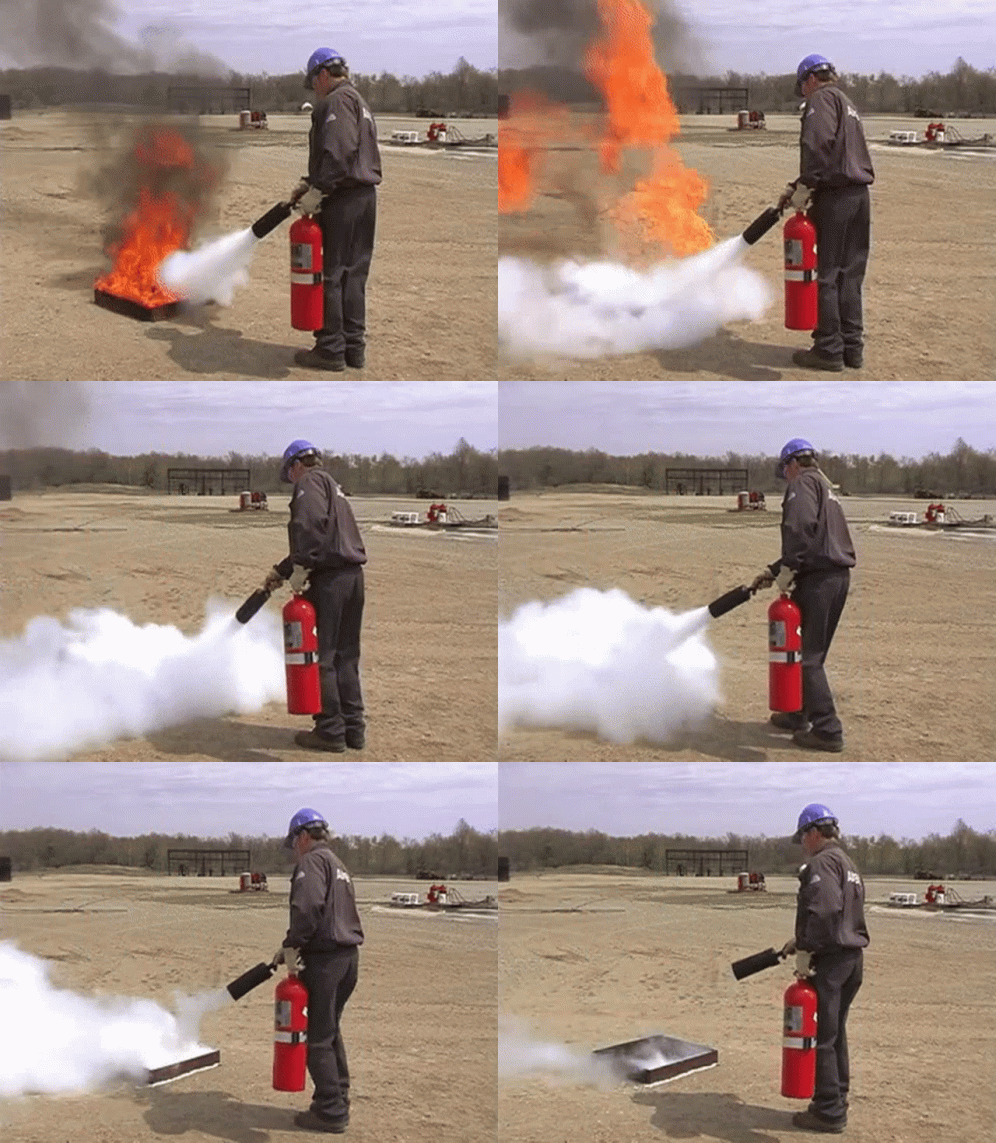
You wouldn’t wait for a fire to learn how to use a fire extinguisher, right? Same goes for your emergency plan.
Run a drill. Once a year, do a “surprise” practice. Set a timer and see how fast everyone can grab their go-bag, meet at the front door, and head to your designated safe spot (like a neighbor’s house or community center).
Make it a game for kids: “Evacuation Challenge: Can you beat last year’s time?” Reward with a treat afterward. The goal isn’t perfection—it’s familiarity. The more you practice, the more automatic your response becomes.
And don’t forget pets! Include them in your plan. Do you have a carrier? Extra food? Know which shelters accept animals? Your furry (or scaly) friends count too.
Step 5: Stay Informed, Stay Calm
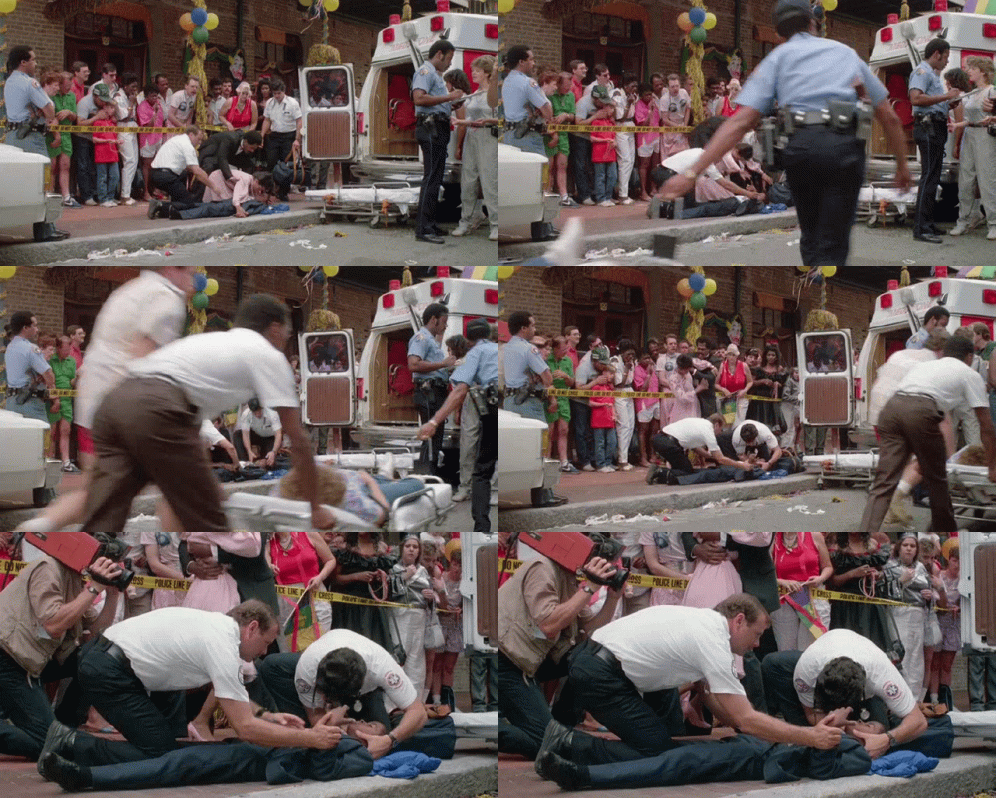
Knowledge is power—especially in a crisis. Sign up for local emergency alerts (text, email, or apps like FEMA or your city’s notification system). Know your community’s evacuation routes and shelter locations.
And here’s a secret: preparation reduces anxiety. When you’ve thought things through, you’re not paralyzed by “what ifs.” You’re ready. You’ve got tools. You’re not helpless—you’re helpful.
The Bigger Picture: You’re Building Resilience

Creating an emergency plan isn’t just about surviving—it’s about thriving, even in tough times. It’s about looking out for your neighbors, checking on the elderly couple down the street, sharing supplies when you can.
It’s community. It’s compassion. It’s saying, “We’re in this together.”
And honestly? The process can bring you closer. I’ve heard stories of families who, after building their emergency kit, started monthly “preparedness dinners” where they cook shelf-stable meals just for fun. Others use their go-bags for camping trips. Flexibility and humor go a long way.
Final Thought: Start Small, Start Now

You don’t need to do everything today. Pick one step—talk to your family, buy a flashlight, write down emergency numbers. That’s enough to begin.
Because preparedness isn’t a finish line. It’s a mindset. It’s choosing care over chaos, readiness over regret.
So go ahead. Be the calm in the storm. Be the one who says, “I’ve got extra water,” or “I know the evacuation route.” Be the person others turn to—not because you’re perfect, but because you cared enough to prepare.
You’ve got this. And when the unexpected comes—and it will—you’ll be ready. Not because you feared the worst, but because you loved your people enough to plan.
Now, go make that list. Your future self will thank you. 🌟
Stay safe, stay prepared, and keep shining.

 kohsarblog
Leave a comment