“If I could bring back one dinosaur, it would be the Velociraptor — a feathered marvel of intelligence and agility, bridging the ancient past with the living wonder of today’s world. To resurrect it is to reignite our awe for nature’s primal artistry and the mystery of life itself.”
If I could bring back one dinosaur, it would be the majestic Velociraptor—a creature that sparks the imagination like no other! Just the thought of seeing those sleek, agile predators in real life gets my heart racing with excitement. Why the Velociraptor? Because it embodies the perfect blend of cunning intelligence, speed, and an almost theatrical flair that makes dinosaurs so fascinating to us humans.
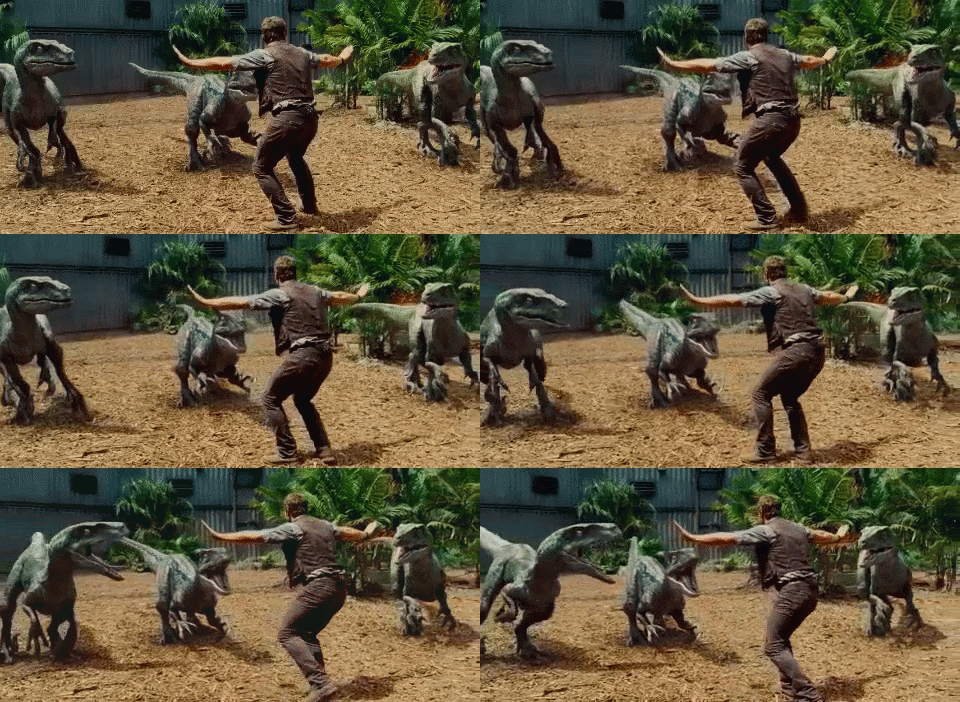
Imagine standing face to face with a Velociraptor. Not as the oversized reptilian monster Hollywood often portrays it, but as the smart, feathered hunter it really was. Velociraptors were about the size of a large turkey, with feathers coloring their bodies in iridescent hues—picture a small, fierce bird with razor-sharp claws and a brain that was surprisingly clever. Having this dinosaur alive again would be like rediscovering a living piece of Earth’s prehistoric mystery, and witnessing firsthand the evolutionary link between dinosaurs and birds.
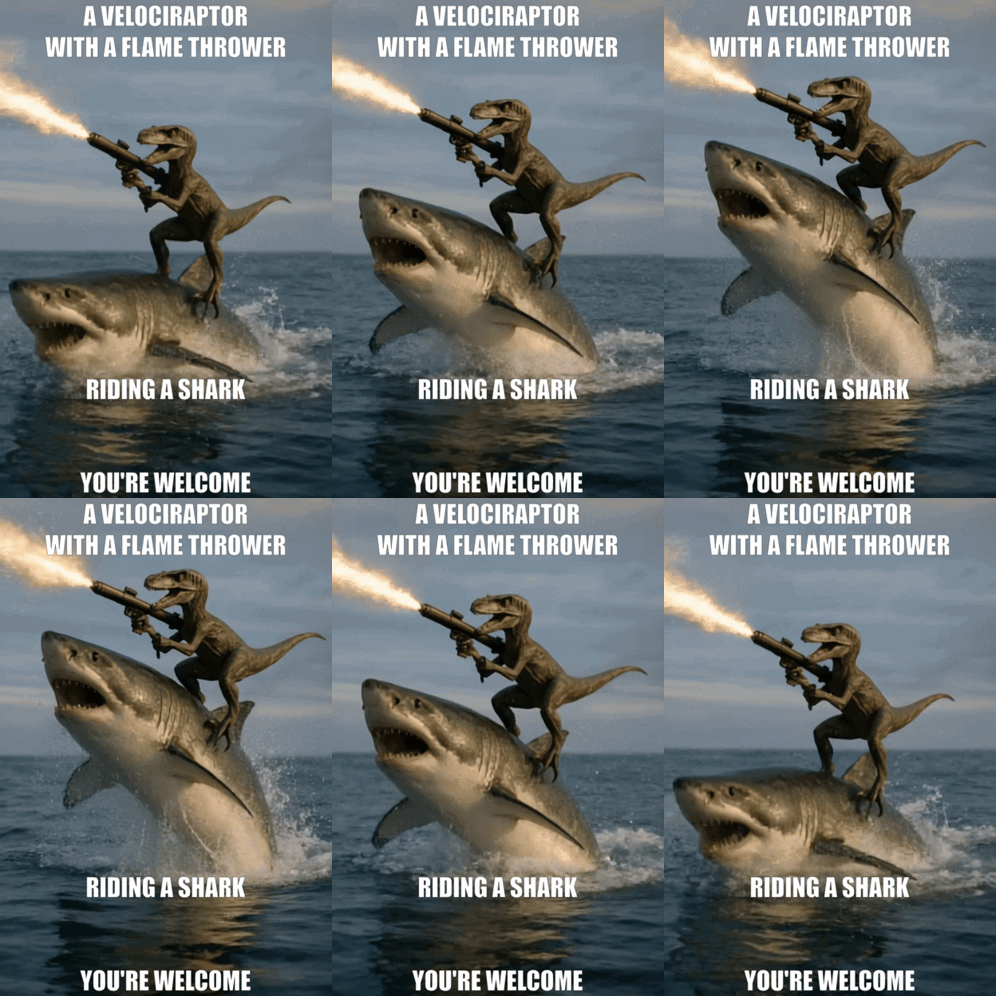
But why not bring back the towering T. rex or the long-necked Brachiosaurus? Sure, these giants are awe-inspiring, but there’s something deeply intriguing about the Velociraptor’s hunting tactics. Seeing how it might have coordinated in packs, its lightning-fast movements, and problem-solving skills could teach us so much about prehistoric ecosystems and predator behavior. It’s like the raptors were the covert ninjas of their time—small, smart, and utterly masterful at survival.
From a human perspective, bringing back Velociraptors would ignite a whole new wave of scientific discovery and cultural fascination. Imagine the thrill of observing their behavior in natural habitats reminiscent of their ancient world! Would they be shy? Curious? Would they recognize humans as friend or foe? These questions fuel both excitement and imagination. It’s the kind of enigma that would get millions running to museums, zoos, and research centers, eager to witness these creatures that blur the line between dinosaur and bird.
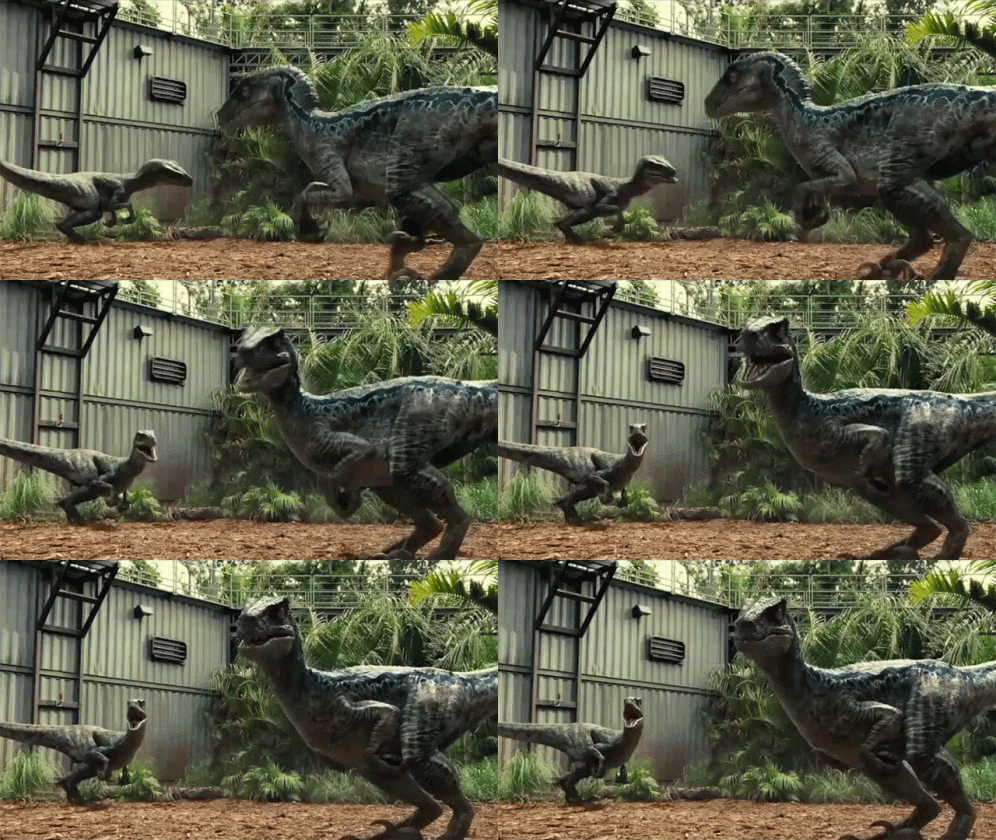
On a lighter note, admitting a Velociraptor into our world would certainly change pop culture forever. Instead of the oversized, clumsy chase scenes, we’d have documentaries showcasing their real agility and intelligence. Children’s books, movies, and video games could get a whole new level of authenticity—and just imagine the spark in a kid’s eyes when they learn Velociraptors could be their “feathered friends” rather than fearsome monsters.
Of course, bringing back any dinosaur raises ethical and ecological questions. Would it be right to reintroduce a creature from a world so different from ours? How would they impact current ecosystems? But from a purely imaginative and enthusiastic standpoint, the Velociraptor stands out as the perfect candidate for resurrection—a creature that combines the charm of birds with the primal thrill of a dinosaur
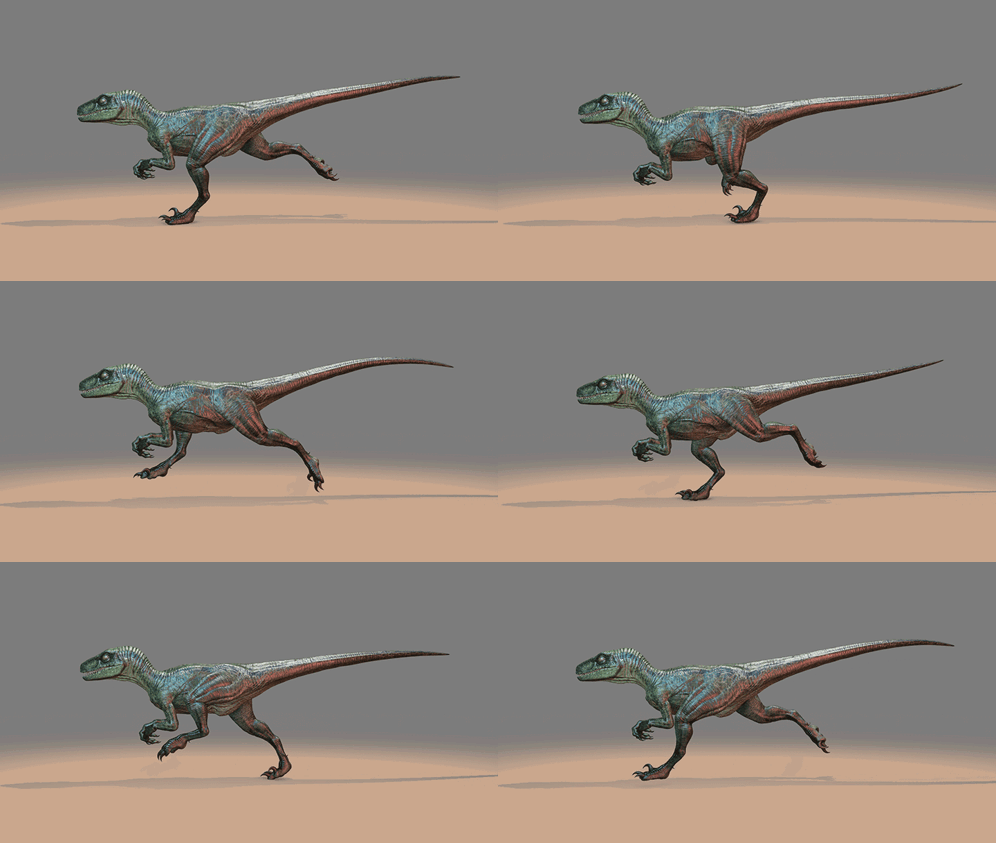
.in the end, if I had the chance to turn back time with modern science, I’d bring back the Velociraptor—not just for its ferocious reputation but for its intelligence, elegance, and the wonder it represents. It’s not just about resurrecting the past; it’s about reigniting our fascination with nature’s ancient artistry and celebrating the mystery of life on Earth. To know them is to bridge millions of years, and to bring back a Velociraptor would be a true gift to both science and imagination. Wouldn’t you want that thrill, too?

 kohsarblog
Leave a comment