“A great teacher doesn’t just teach lessons from a book—they inspire, they care deeply, they believe in their students even when no one else does, and they never stop learning themselves. What makes a teacher great is love: for the subject, for the process of learning, and most of all, for the students they help become their best selves.”

What Makes a Teacher Great?
There’s something truly magical about stepping into a classroom led by an extraordinary teacher. The air feels different—charged with energy, curiosity, and warmth. It doesn’t matter if the subject is algebra or ancient history; when a great teacher is at the helm, learning becomes alive.
So what makes a teacher great? Is it their years of experience? Their academic credentials? Or maybe it’s that indescribable spark they bring into the room each day? The truth is, greatness in teaching isn’t defined by one thing—it’s a beautiful blend of passion, empathy, resilience, and heart.
Let’s explore the qualities that make a teacher not just good, but great.
1. Passion That Lights Up the Room

Great teachers don’t just teach—they ignite a fire. They are passionate about their subjects, yes, but more importantly, they’re passionate about learning itself. Whether they’re explaining the Pythagorean theorem or dissecting Shakespeare’s sonnets, they do it with enthusiasm that makes students lean in and pay attention.
It’s not just about knowing the material; it’s about loving to share it. A great teacher turns complex ideas into fascinating stories and dry facts into exciting discoveries. When students see someone who genuinely loves what they’re teaching, it inspires them to care too.
2. Empathy: The Heartbeat of Great Teaching

Behind every lesson plan, every quiz, and every homework assignment, there’s a human being—a student with hopes, fears, struggles, and dreams. A great teacher sees beyond the surface. They understand that learning doesn’t happen in a vacuum and that emotional well-being plays a huge role in academic success.
They take the time to listen, to notice when a student is off their game, and to offer support—not just academically, but emotionally. Empathy allows teachers to build trust, create safe spaces for learning, and foster resilience in students who may be dealing with challenges outside the classroom.
3. Adaptability: Flexibility in the Face of Change
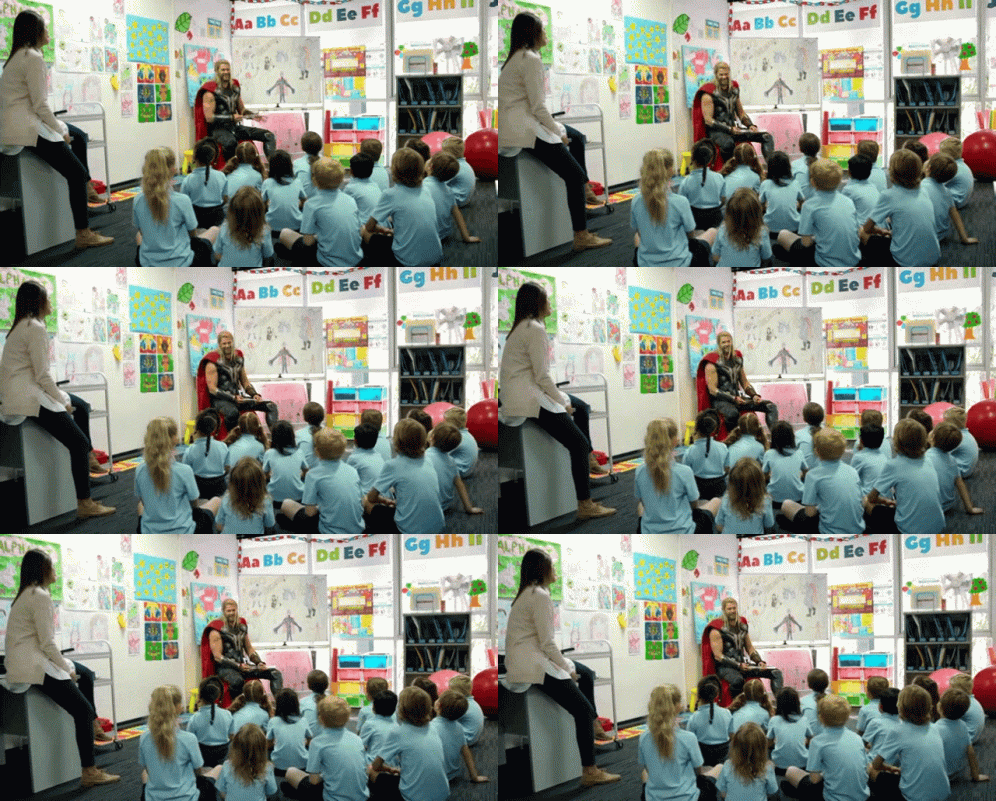
Teaching is never static. Curriculums change. Class sizes fluctuate. Technology evolves. And then there’s the unpredictable nature of working with real, live students—each with their own learning styles, personalities, and needs.
A great teacher is adaptable. They can pivot mid-lesson when something isn’t working. They embrace new methods and tools with open arms. They know that flexibility is key to meeting students where they are and helping them grow from there.
This adaptability also extends to how they handle setbacks—whether it’s a failed lesson plan, a difficult parent interaction, or a personal challenge. Great teachers keep going. They learn, adjust, and come back stronger.
4. High Expectations with Even Higher Belief

Great teachers believe in their students—even when those students might not believe in themselves. They set high expectations, not because they want to overwhelm, but because they know what students are capable of achieving. And more importantly, they provide the support needed to reach those heights.
This belief in potential is contagious. When a teacher says, “I know you can do this,” it changes the way students see themselves. Suddenly, the impossible starts to feel possible. Limits begin to dissolve. Confidence grows.
But high expectations aren’t just about grades. They’re also about character—integrity, perseverance, kindness. A great teacher teaches not only the mind but also the heart.
5. Creativity: Making Learning Come Alive

Let’s face it—some topics are tough to get excited about. But a great teacher knows how to make even the driest content engaging through creativity. Whether it’s turning grammar lessons into rap battles, using role-play to teach historical events, or incorporating art into science, creative teachers find ways to connect with students on multiple levels.
Creativity in teaching isn’t just about entertainment—it’s about engagement. It’s about finding new angles, making unexpected connections, and giving students opportunities to express their understanding in diverse ways. In the hands of a creative teacher, learning becomes an adventure.
6. Patience: Because Growth Takes Time

Learning is rarely a straight line. It’s full of ups and downs, breakthroughs and setbacks. A great teacher understands this. They have patience—not just with their students, but with themselves.
They know that progress often comes slowly, and that every small victory matters. They give students the space to try, fail, and try again. They model resilience and celebrate effort, not just outcomes.
Patience is especially crucial when dealing with challenging behaviors or difficult situations. Instead of reacting in frustration, a great teacher responds with calm, consistency, and compassion—knowing that every student deserves a second (and third, and fourth) chance.
7. Lifelong Learning: Walking the Walk
The best teachers are also the best learners. They recognize that education doesn’t stop once you earn your degree. They read widely, attend workshops, collaborate with colleagues, and seek feedback. They’re curious not just about their subject matter, but about the ever-evolving world around them.
More than that, they model the joy of lifelong learning for their students. They show that it’s okay to say, “I don’t know—but let’s find out together.” They embrace mistakes as learning opportunities. They ask questions, explore answers, and inspire others to keep growing long after school ends.
8. Authenticity builds powerful

Students can spot a fake from a mile away. Great teachers don’t pretend to have all the answers. They’re real. They’re vulnerable. They share their own stories of struggle and success. They laugh, they cry, they admit when they’re wrong.
This authenticity builds powerful connections. It tells students that it’s okay to be imperfect, that growth is more important than perfection, and that relationships matter more than rules.
When teachers show up as their true selves, they invite students to do the same—and that’s where real learning begins.
9. Cultural Competence: Seeing Every Student Clearly

In today’s diverse classrooms, cultural competence is essential. Great teachers understand that students come from different backgrounds, speak different languages at home, and view the world through unique lenses.
They strive to create inclusive environments where every student feels seen, heard, and valued. They incorporate diverse perspectives into their curriculum, challenge biases, and advocate for equity. They recognize that excellence looks different for every learner and work tirelessly to ensure everyone has the opportunity to thrive.
10. Love: The Foundation of Everything

At the end of the day, what makes a teacher truly great is love. Love for their students. Love for learning. Love for the transformative power of education.
Great teachers pour their hearts into their work. They stay late, arrive early, grade papers on weekends, and remember birthdays. They invest deeply in the lives of their students—not because they have to, but because they care.
And that love leaves a lasting impact. Years later, students might forget the quadratic formula or the causes of World War I, but they’ll never forget the teacher who believed in them, challenged them, and made them feel like they mattered.
Final Thoughts
Being a great teacher isn’t about having all the right answers or following a perfect script. It’s about showing up every day with intention, integrity, and heart. It’s about creating moments of connection, sparking curiosity, and nurturing potential.
Great teachers don’t just shape minds—they shape futures. And in a world that’s constantly changing, we need more of them than ever.
So here’s to the teachers—the ones who light fires, plant seeds, and change lives. You are more than educators. You are heroes in everyday classrooms, and your impact lasts far beyond the final bell.
Thank you—for everything you do.

 kohsarblog
Leave a comment