“Pets are humanizing. They remind us we have an obligation and responsibility to preserve and nurture and care for all life.” — James Cromwell
As for the “worst” pets, it’s more about compatibility than good or bad! Each pet has its quirks, and what works for one person may not work for another. For instance, someone might struggle with the independence of a cat or the energy of a dog, while another person thrives with them. It’s all about finding the right match for your lifestyle and personality.
What’s your take? Do you have a favorite animal companion? 🐶🐱🐾
What Animals Make t uhhe Best and Worst Pets?
Pets have been a part of human life for millennia, offering companionship, joy, and sometimes even practical help. From loyal dogs to aloof cats, the range of animals we invite into our homes is vast and varied. But what makes an animal a great pet—or a terrible one? Is it their temperament, care requirements, or how well they adapt to human environments? In this post, we’ll dive into the world of pets, exploring the best and worst candidates for domestication and why some animals are better left in the wild.
The Best Pets: Companions That Thrive with Us

When we think of pets, certain animals immediately come to mind—those that have co-evolved with humans or adapted brilliantly to our lifestyles. Let’s start with the cream of the crop.
Dogs: The Gold Standard
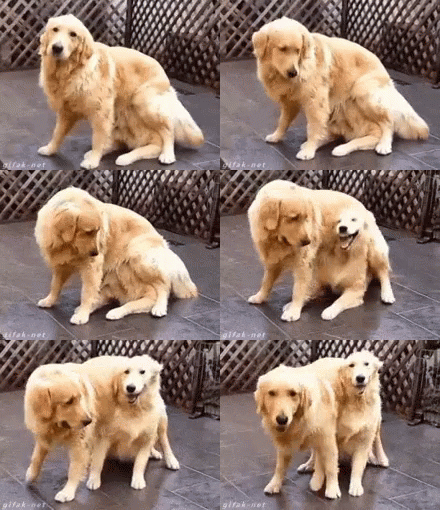
It’s hard to talk about the best pets without mentioning dogs. Known as “man’s best friend,” dogs have been domesticated for at least 15,000 years, with some estimates pushing that timeline even further back. Their intelligence, loyalty, and versatility make them exceptional companions. Whether it’s a Golden Retriever fetching a ball or a German Shepherd guarding the house, dogs excel at bonding with humans. They’re highly trainable, emotionally intuitive, and come in breeds suited to almost any lifestyle—small apartment dwellers can opt for a Chihuahua, while active folks might choose a Border Collie.
What makes dogs stand out is their social nature. They’re pack animals, and humans easily slot into that role as their “pack leader.” Plus, their care needs—while not insignificant—are manageable for most people: food, exercise, and regular vet visits. The payoff? Unconditional love and a friend who’s always excited to see you.
Cats: Independent Yet Affectionate
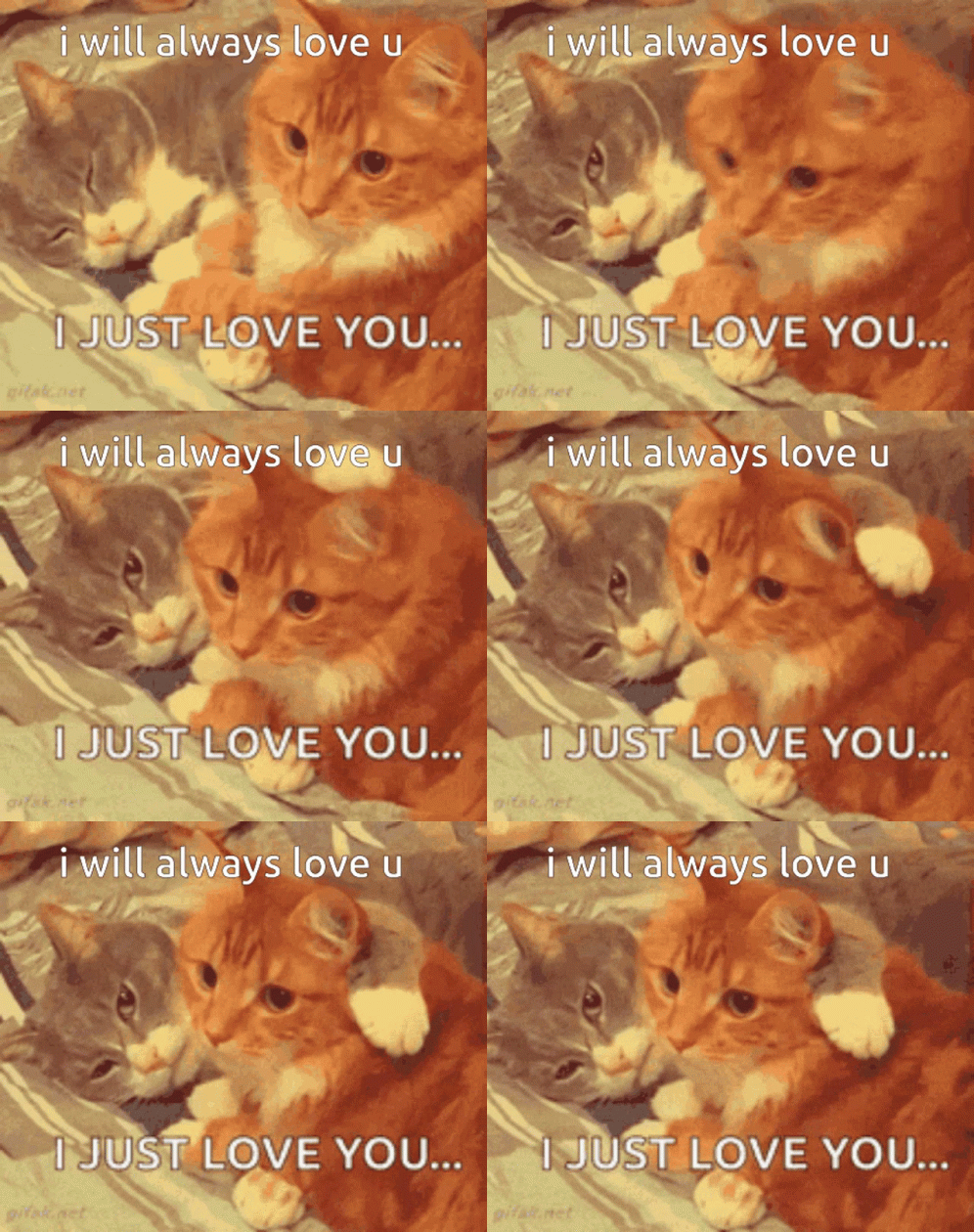
Cats are another top-tier pet, though they offer a different flavor of companionship. Domesticated from wildcats around 9,000 years ago, cats are low-maintenance compared to dogs. They don’t need walks, they’re fastidious self-groomers, and they’re content to entertain themselves with a toy or a sunny windowsill. Yet, they still form deep bonds with their owners, often showing affection on their own terms—think purring on your lap or a gentle headbutt.
Their adaptability to indoor life makes them ideal for urban settings, and their hunting instincts keep homes free of pests (or at least toy mice). Cats suit people who want a pet that’s loving but not overly demanding. The trade-off is their aloofness can frustrate those craving constant interaction, but for the right person, they’re perfect.
Birds: Feathered Friends with Personality
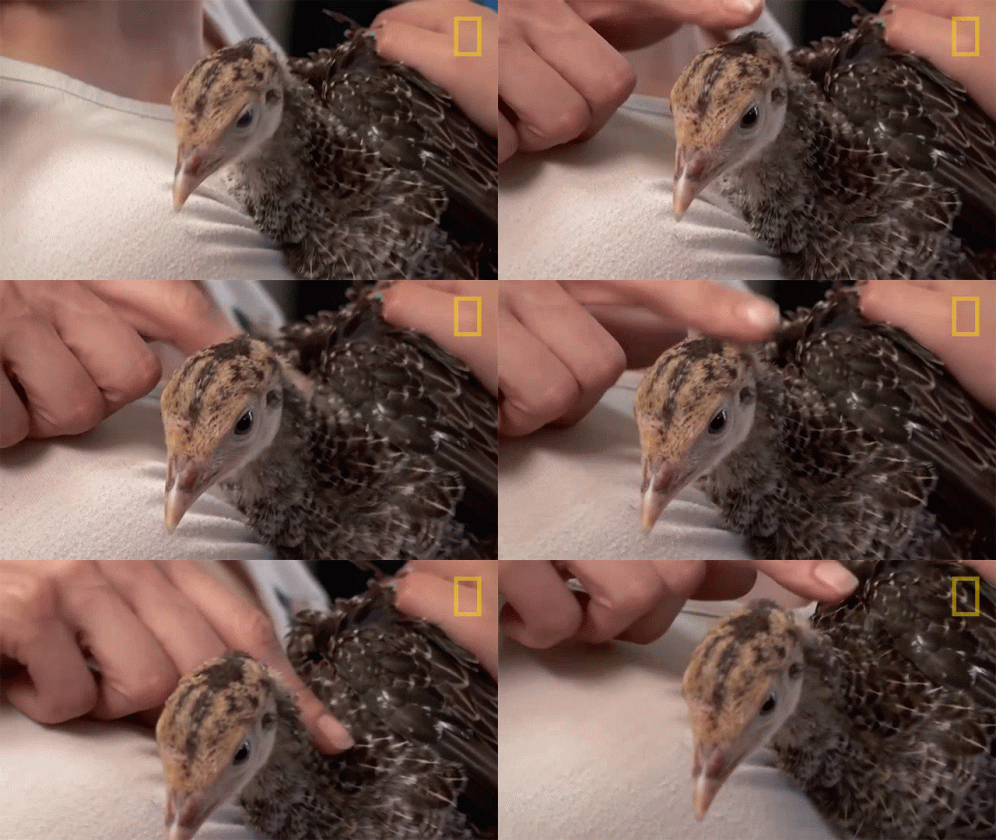
Birds like parrots, budgies, and cockatiels bring a splash of color and sound to the pet world. Parrots, in particular, are remarkable for their intelligence and ability to mimic human speech—some can even learn hundreds of words. Budgies are smaller but just as charming, often forming strong bonds with their owners. These birds thrive on social interaction, making them great for people who can spend time talking, playing, or teaching them tricks.
Their care involves a cage, a varied diet (seeds, fruits, veggies), and mental stimulation, but they don’t need vast spaces like dogs. The downside? They can be noisy, and some species live decades—African Greys can reach 50 years—so they’re a long-term commitment. Still, for those who love a chatty, vibrant companion, birds are a fantastic choice.
Fish: Low-Key Beauty
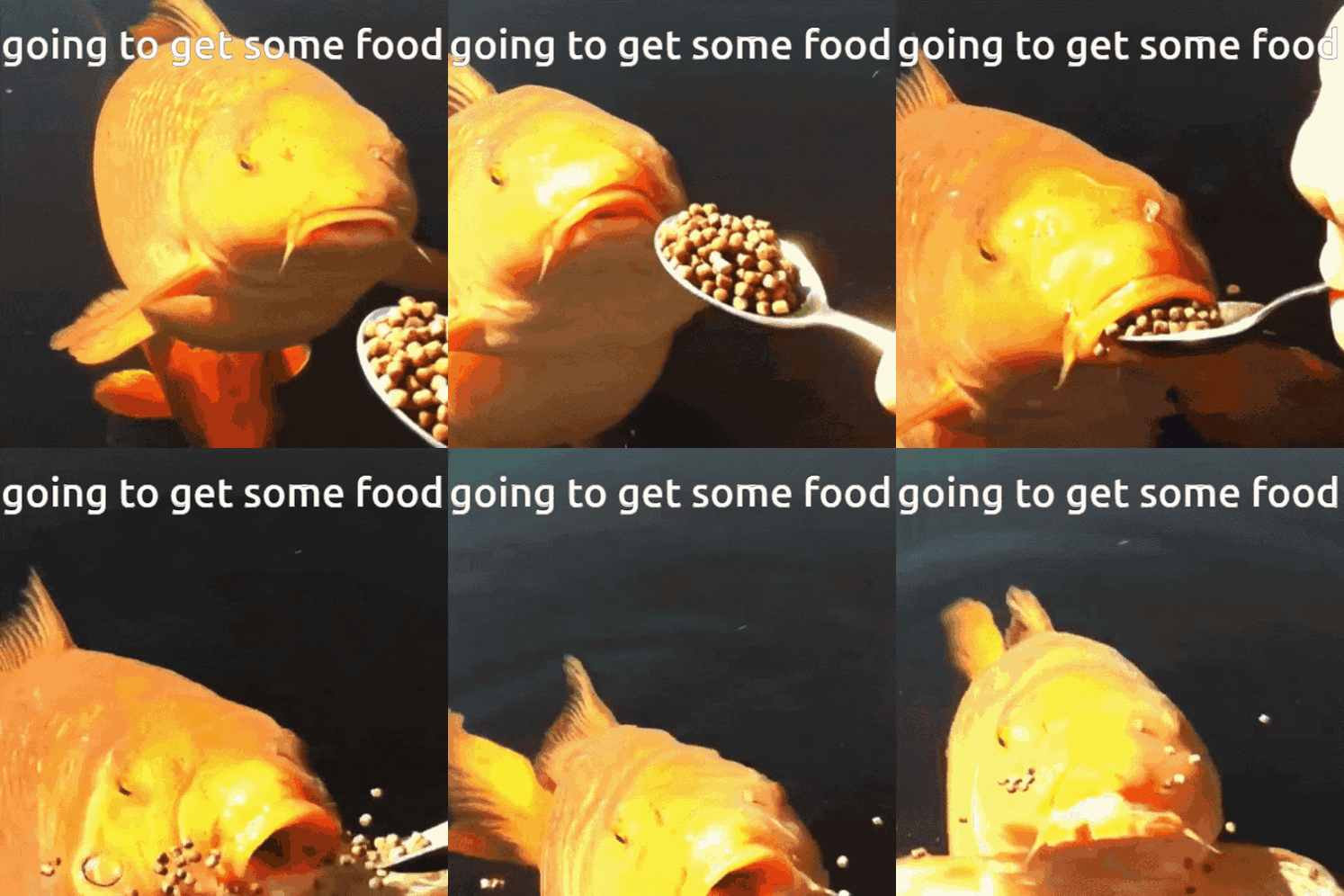
For a more hands-off pet, fish are hard to beat. A well-maintained aquarium with colorful guppies, bettas, or tetras can be a stunning addition to any home. They’re quiet, don’t need walks or cuddles, and their care revolves around feeding and tank maintenance. Watching fish glide through the water has even been shown to reduce stress—perfect for a busy life.
Fish don’t offer emotional bonding like mammals, but their simplicity and aesthetic appeal make them ideal for people who want a pet without the time sink. The catch? Setting up a tank can be pricey and requires some know-how to keep the ecosystem balanced.
Rabbits: Soft and Sociable
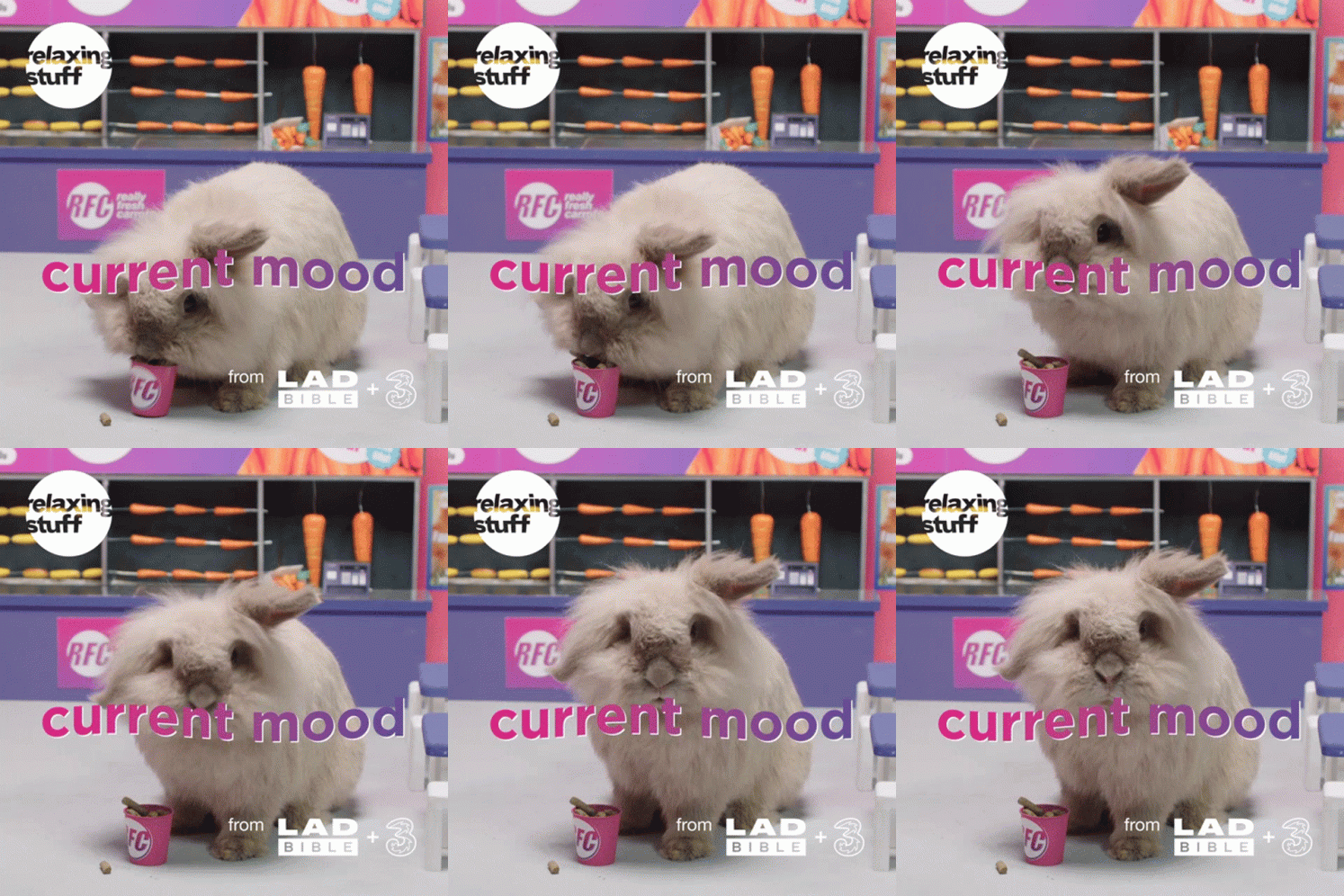
Rabbits are often overlooked, but they’re wonderful pets for the right owner. They’re quiet, cuddly when socialized properly, and can even be litter-trained like cats. Breeds like the Holland Lop or Mini Rex are especially popular for their manageable size and gentle demeanor. Rabbits need space to hop, a diet of hay and veggies, and plenty of chew toys to keep their teeth in check.
Their social nature means they thrive with attention, and some even enjoy being petted like a dog. However, they’re fragile and not ideal for rough handling, making them better for adults or older kids. With the right care, rabbits are a delightful addition to the pet roster.
The Worst Pets: Animals Better Left Alone
Not every animal is cut out for domestic life. Some are too wild, too demanding, or simply incompatible with human households. Here’s a look at the worst offenders.
Monkeys: Wild at Heart
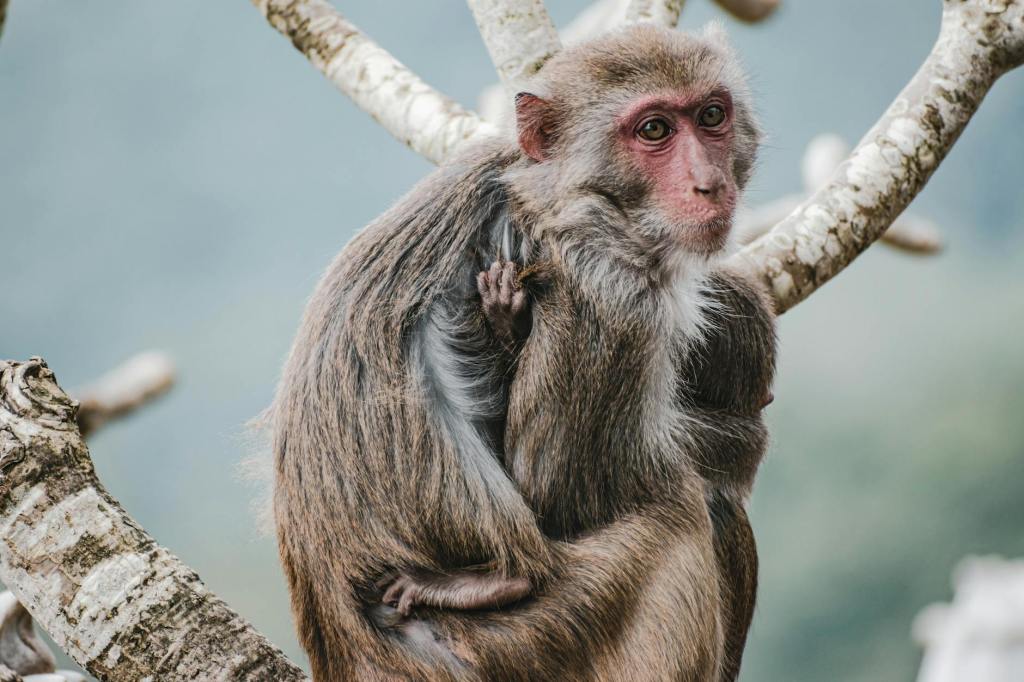
Monkeys might seem cute—those tiny capuchins or playful macaques look like they’d be fun to have around. But primates are a disaster as pets. They’re highly intelligent and social, requiring complex environments and constant interaction that most people can’t provide. In captivity, they often become aggressive, destructive, or depressed. They can bite, throw tantrums, and even spread diseases like herpes B.
Legally, many places ban private ownership of primates, and for good reason. Their needs—mental stimulation, a troop-like social structure, and vast space—belong in the wild or a sanctuary, not a living room.
Big Cats: Majestic but Deadly

Owning a tiger, lion, or even a smaller wildcat like a serval might sound glamorous, but it’s a recipe for disaster. Big cats are apex predators with instincts that don’t vanish in captivity. They need massive enclosures, hundreds of pounds of meat weekly, and expert handling. Even “tame” ones can turn on their owners—a 200-pound cougar doesn’t care if you raised it from a cub when it’s hungry or stressed.
The cost is astronomical, and the danger is real: numerous attacks have been documented. Plus, they’re illegal in most places. These animals belong in the wild, not on a leash.
Reptiles (Some): Cold and Complicated
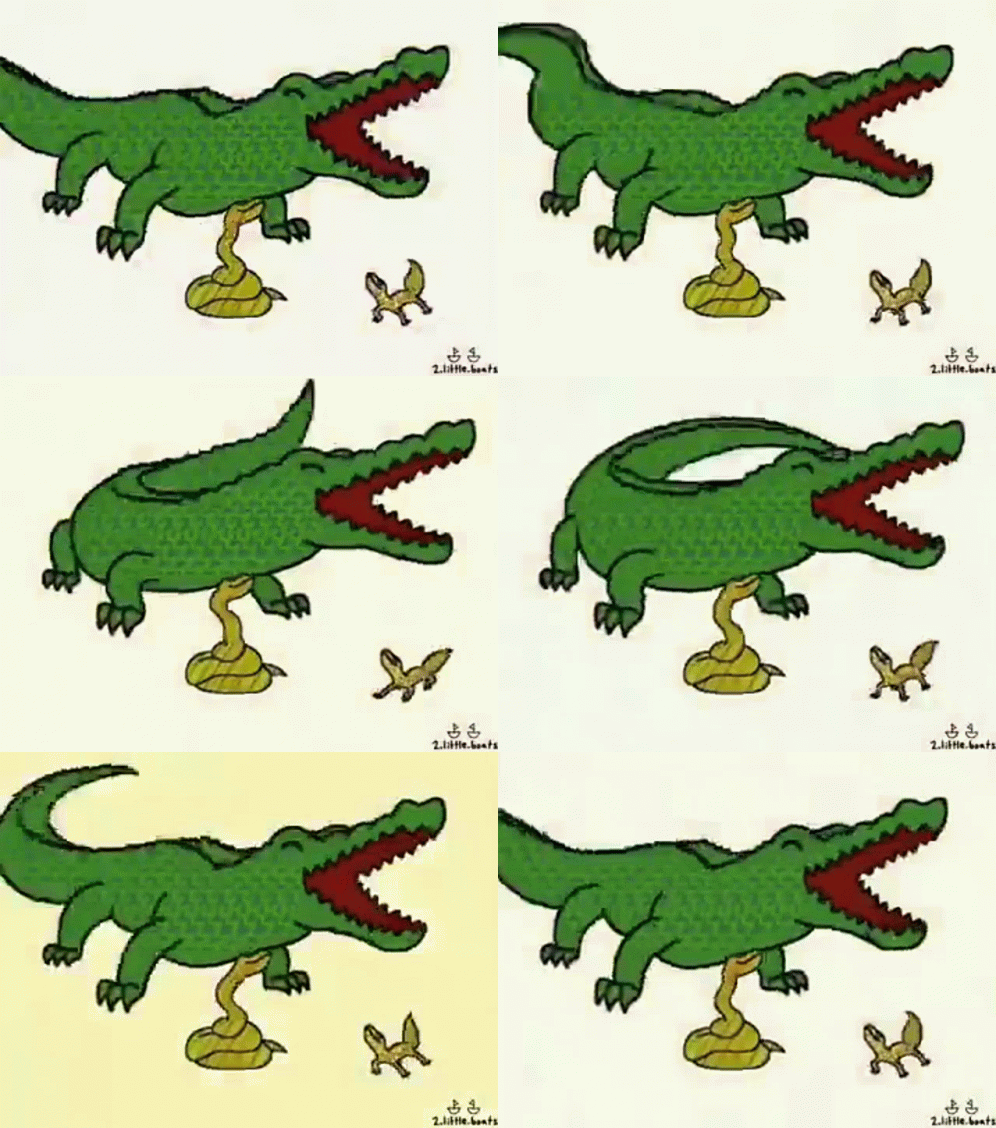
While some reptiles like bearded dragons or ball pythons make decent pets, others—like large snakes or crocodiles—are terrible choices. A Burmese python can grow to 20 feet and weigh 200 pounds, capable of constricting a human to death if mishandled. Crocodiles and alligators are even worse, with powerful jaws and territorial instincts. Their care involves precise heat, humidity, and diet, and mistakes can lead to illness or aggression.
These animals don’t bond with humans—they tolerate us at best. For every success story, there’s a news headline about an escaped snake or a maimed owner. They’re better suited to zoos or experienced herpetologists.
Exotic Birds (Some): High Maintenance, High Risk
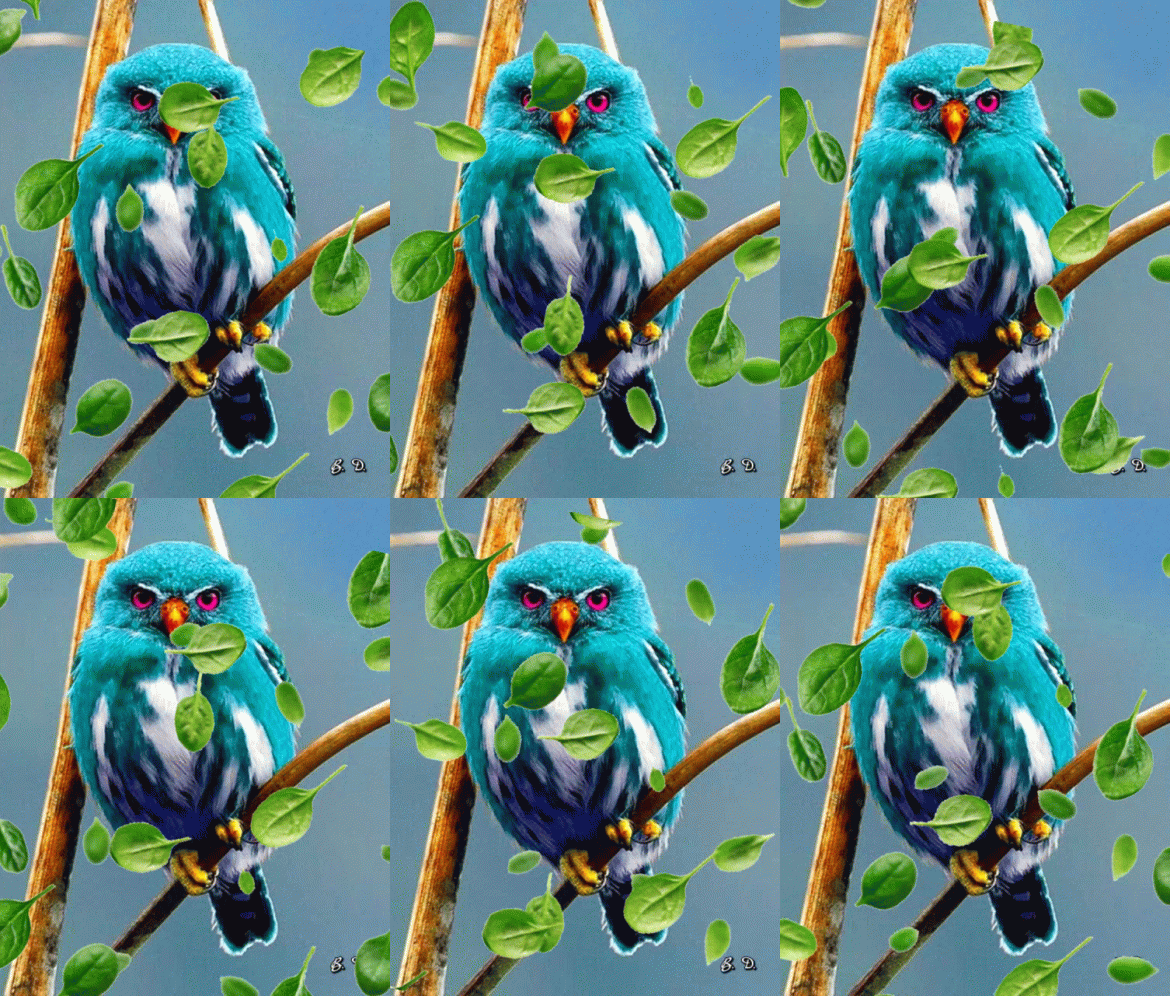
Not all birds are pet material. Macaws and cockatoos, while stunning, can be nightmarish. They’re loud—screams can hit 100 decibels—and destructive, shredding furniture with their beaks. Their intelligence demands constant enrichment; without it, they self-harm, plucking feathers until bald. Lifespans of 50-80 years mean you’re signing up for decades of care, and they may outlive you.
They also bond intensely, sometimes becoming possessive or aggressive toward others. Unless you’re a bird expert with time and resources, these feathered divas are a poor fit.
Hedgehogs (In Some Cases): Cute but Tricky
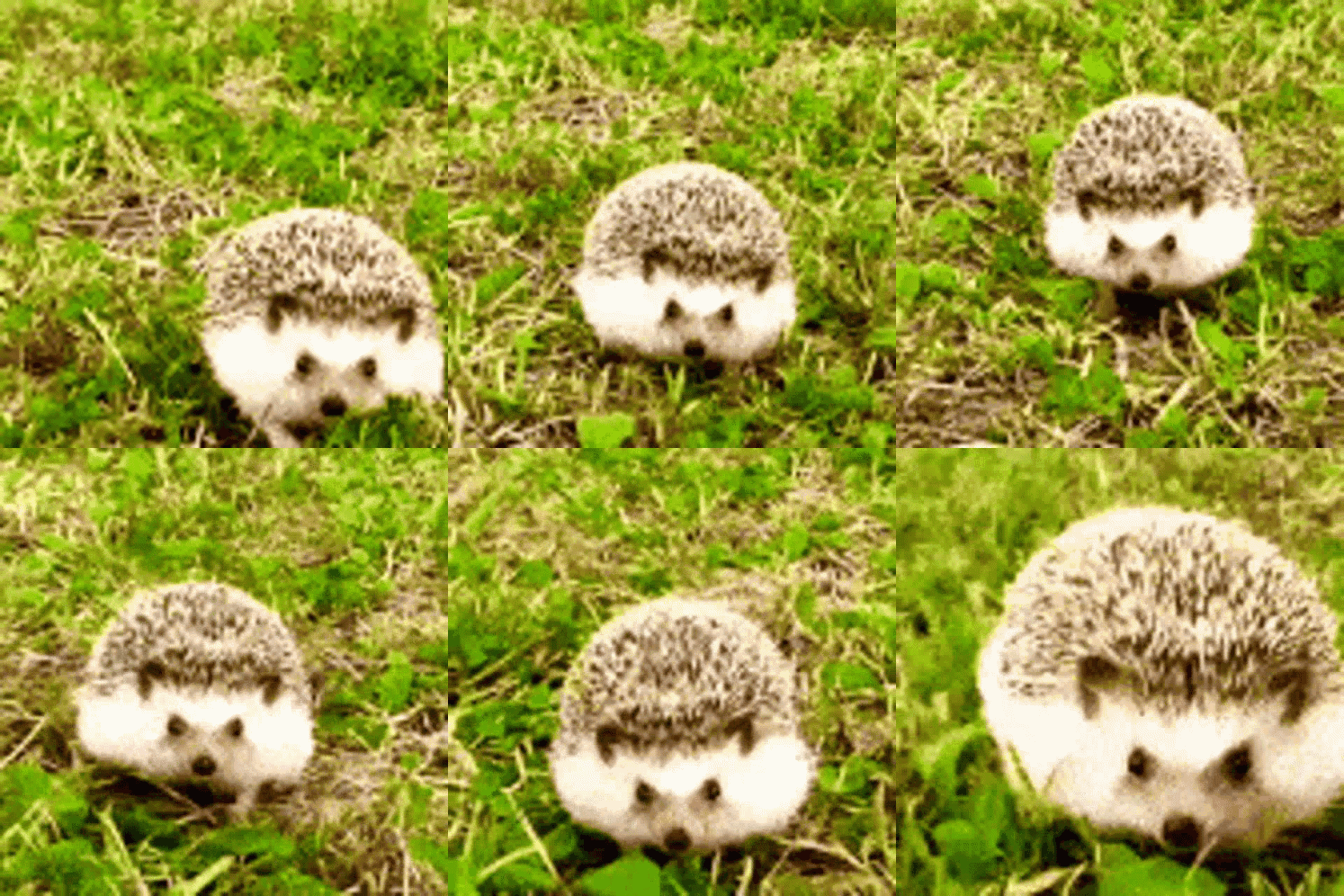
Hedgehogs are adorable, with their spiky backs and tiny faces, but they’re not always great pets. They’re nocturnal, so they’re active when you’re asleep, and they’re not naturally cuddly—handling them takes patience, as they roll into prickly balls when scared. Their diet (insects, specialized kibble) and habitat (warmth, hiding spots) require effort, and in some regions, they’re illegal due to ecological risks if released.
For the right owner, they can work, but for most, the charm wears off when the reality of their care sinks in.
What Makes a Pet “Good” or “Bad”?
The difference between a great pet and a terrible one boils down to a few key factors:
- Temperament: Does the animal enjoy human company, or does it see us as threats? Dogs and cats thrive with us; tigers and monkeys don’t.
- Care Needs: Can the average person meet its requirements? Fish need a tank; crocodiles need a swamp.
- Adaptability: Can it live happily in a home? Rabbits can; pythons can’t.
- Safety: Is it a risk to you or others? A parrot might nip; a lion might kill.
- Legality and Ethics: Is it legal and humane to keep? Exotic pets often fail this test.
Final Thoughts: Choosing the Right Pet for You
The best pets enhance our lives without overwhelming us. Dogs, cats, birds, fish, and rabbits top the list because they balance companionship with manageable care, fitting into human routines. The worst—monkeys, big cats, certain reptiles, and exotic birds—demand more than most can give, posing risks to both owner and animal.
When picking a pet, consider your lifestyle, space, and commitment level. A high-energy dog won’t suit a couch potato, just as a reclusive snake won’t satisfy someone craving affection. The key is matching the animal’s needs to your reality. Done right, a pet isn’t just an animal—it’s a partner in life’s journey.
What’s your take? Have a dream pet or a horror story? Let’s hear it!

 kohsarblog
Leave a comment