“Never doubt that a small group of thoughtful, committed citizens can change the world; indeed, it is the only thing that ever has.” – Margaret Mead
This quote beautifully highlights the power of individual and collective action to create meaningful change in a community. Would you like tips or ideas on how to take that first step to improve your own community?
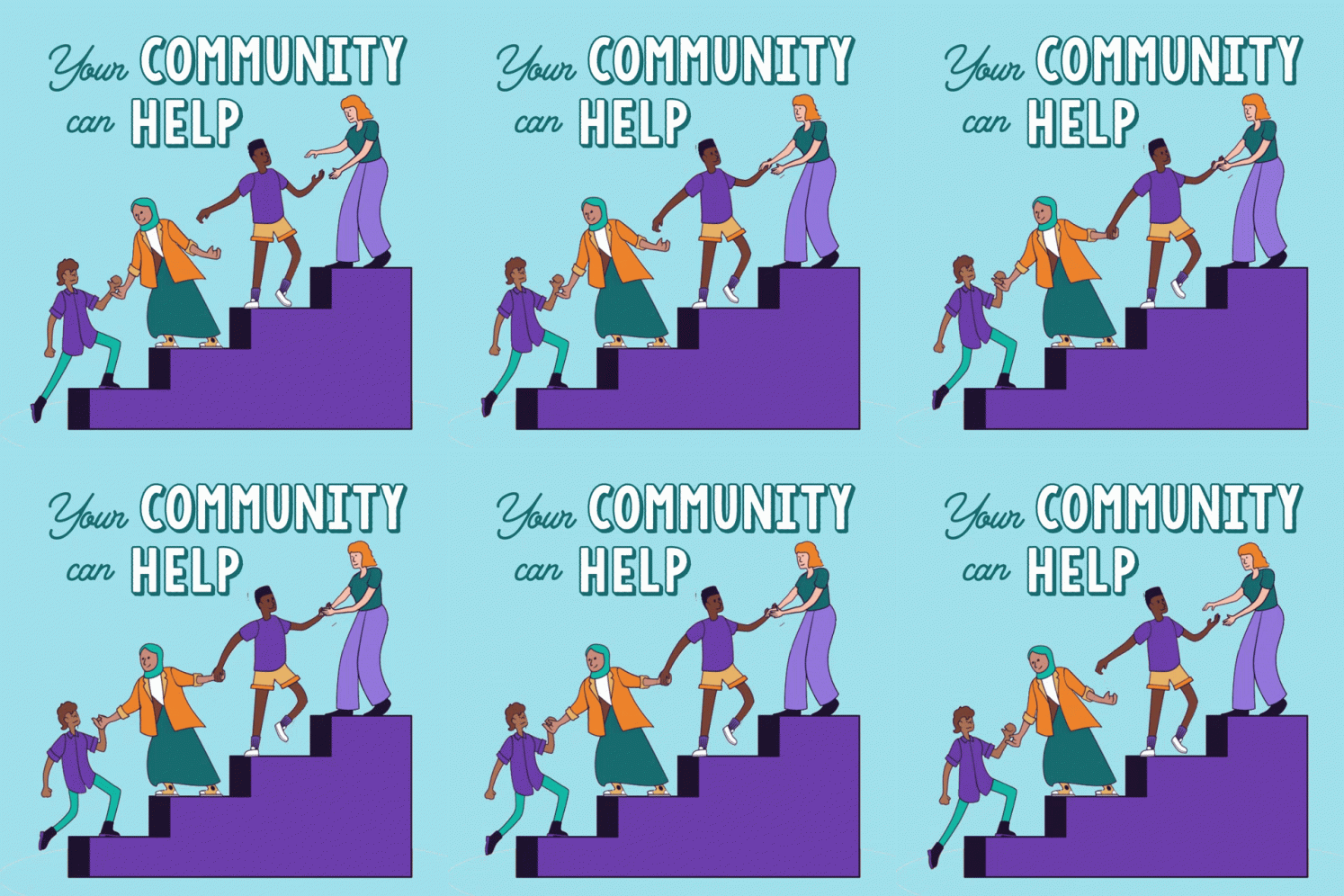
How Would You Improve Your Community?
Communities are the heartbeat of human connection. Whether it’s a small rural town, a bustling urban neighborhood, or even an online group tied together by shared interests, communities shape our lives in profound ways. They’re where we find support, share experiences, and build the foundations of our day-to-day existence. But no community is perfect. There’s always room to grow, to adapt, and to make things better for everyone involved. So, how would I improve my community? Let’s dive into some ideas—practical, creative, and maybe even a little ambitious—that could spark real change.
Start with Listening
The first step to improving any community is understanding it. Too often, we assume we know what’s best without asking the people who live it every day. I’d begin by listening—really listening—to what people need. This could mean hosting casual town halls, setting up online surveys, or just grabbing a coffee with a neighbor and asking, “What’s working for you here? What’s not?”
In my experience, people want to be heard. They might point out potholes that need fixing, a lack of green spaces, or how the local school could use more funding. Maybe it’s less tangible—like feeling disconnected from others or wishing for more events to bring folks together. Listening builds trust, and trust is the glue that holds a community together. Without it, any improvement is just a shiny bandage on a deeper wound.
Strengthen Local Communication
One thing I’ve noticed in many communities is how fragmented communication can be. Some people rely on social media, others check bulletin boards at the library, and a few might not even know where to look for updates. I’d work on creating a central hub for information—a newsletter, a simple app, or even a well-maintained website. It doesn’t have to be fancy, just reliable.
Imagine a place where you can find out about the next farmer’s market, a call for volunteers to clean up the park, or a heads-up about road closures—all in one spot. It could also spotlight local heroes, like the teacher who’s been tutoring kids for free or the teenager who started a recycling drive. Good communication doesn’t just inform; it inspires. It makes people feel like they’re part of something bigger.
Invest in Shared Spaces

If there’s one thing that can transform a community, it’s a great shared space. Parks, libraries, community centers—these are the places where people bump into each other, swap stories, and build bonds. I’d push for more investment in these areas. If the budget’s tight (and it usually is), I’d get creative—maybe repurpose an empty lot into a pop-up garden or turn an old building into a maker space for artists and tinkerers.
Take parks, for example. A few benches, some shade trees, and a playground can turn a patch of grass into a gathering spot. Add a weekly movie night or a picnic, and suddenly it’s a hub of activity. I’d also make sure these spaces are accessible—ramps for wheelchairs, signs in multiple languages, paths that strollers can navigate. A community thrives when everyone can show up.
Encourage Local Talent

Every community has hidden gems—people with skills, passions, or ideas that could light the place up. I’d create opportunities for them to shine. Think workshops where the retired carpenter teaches kids to build birdhouses, or open mic nights where the shy poet finally steps into the spotlight. Maybe even a “skill swap” day where folks trade know-how—gardening tips for guitar lessons, coding basics for baking secrets.
This isn’t just about fun (though it would be). It’s about pride. When people see their neighbors doing amazing things, it lifts everyone’s spirits. Plus, it keeps money and energy circulating locally. Why hire an outsider to fix something when the guy down the street can do it just as well?
Tackle the Basics: Safety and Cleanliness
No one wants to live somewhere they don’t feel safe or proud of. I’d focus on the nuts and bolts—fixing streetlights, picking up litter, painting over graffiti (unless it’s the cool kind—then maybe frame it). Safety isn’t just about crime stats; it’s about perception. A well-lit street feels welcoming. A clean sidewalk says, “We care about this place.”
I’d rally volunteers for cleanup days—make it a party with music and snacks. For bigger issues, like potholes or broken playground equipment, I’d push the local government to prioritize repairs. If they drag their feet, I’d organize a petition or a friendly (but firm) campaign to get it done. People notice when the basics are handled, and it sets the tone for everything else.
Build Bridges Between Groups

Communities can sometimes feel like a bunch of little islands—young families over here, seniors over there, newcomers and old-timers barely mixing. I’d look for ways to bridge those gaps. How about a mentorship program where teens teach older folks how to use smartphones, and in return, they get life advice or a home-cooked meal? Or a potluck where everyone brings a dish from their culture or family recipe book?
The goal is connection. When people know each other—not just as faces, but as stories—they’re more likely to look out for one another. It’s harder to ignore a struggling neighbor when you’ve shared a laugh over burnt cookies or swapped tips on growing tomatoes.
Support Local Businesses
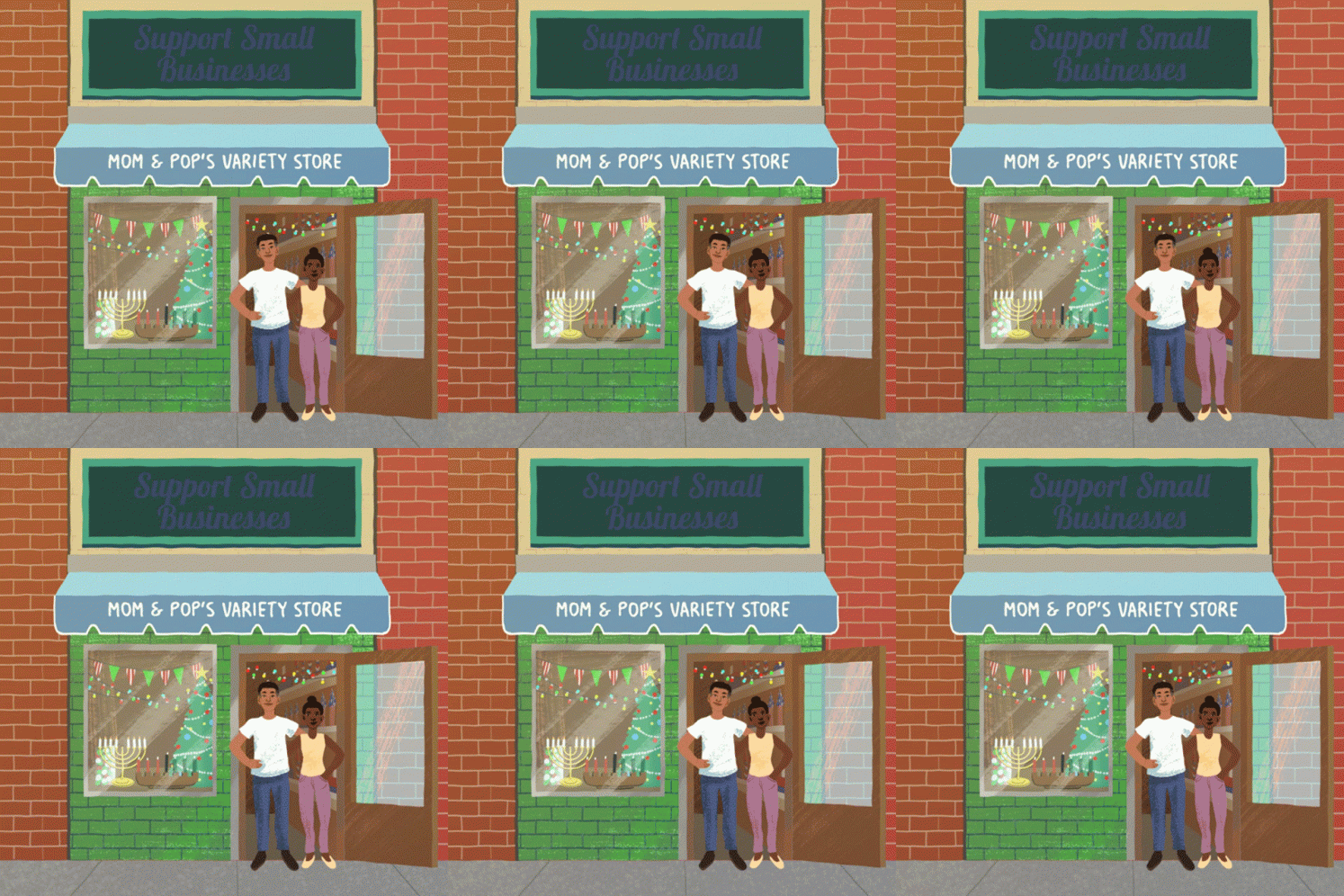
A community’s soul often lives in its small businesses—the coffee shop where the barista knows your order, the bookstore with the creaky floors, the hardware store that’s been there forever. I’d find ways to prop them up. Maybe organize a “shop local” day with discounts and live music to draw crowds. Or set up a co-op where businesses pool resources for marketing or bulk buying.
It’s not just about economics. These places are where people meet, chat, and feel rooted. If they disappear, replaced by faceless chains, something irreplaceable gets lost. I’d also encourage pop-up markets for artisans or food vendors—give new entrepreneurs a low-risk way to test the waters.
A strong community
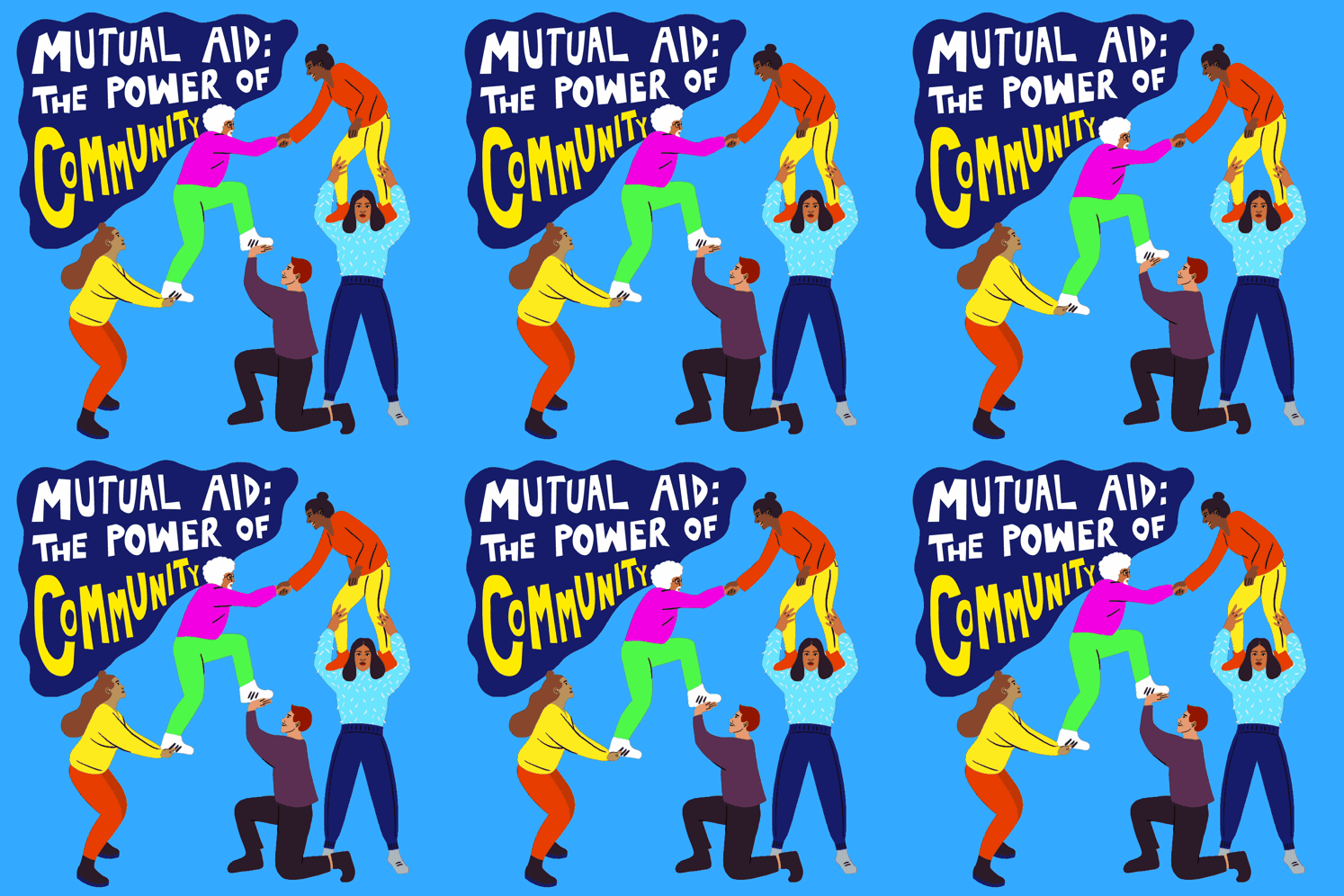
A strong community invests in its future, and that starts with kids. I’d advocate for better schools—more supplies, smaller classes, programs that spark curiosity like robotics clubs or art classes. But it’s not just about the young ones. Adults need learning too—think free workshops on budgeting, coding, or even urban farming.
Opportunity matters just as much. I’d push for a job board—physical or digital—where local employers post openings and residents can find work close to home. Pair that with resume help or interview coaching, and you’re giving people a real shot at stability. When folks feel they can grow where they’re planted, they’re more likely to stick around and give back.
Go Green
Sustainability isn’t a buzzword—it’s a lifeline. I’d start small: more bike lanes, a community compost pile, a push for recycling bins on every corner. Maybe plant a few trees with a plaque for each one, honoring someone who’s made the community better. Over time, I’d aim bigger—solar panels on public buildings, rain gardens to manage runoff, incentives for energy-efficient homes.
This isn’t just about the planet (though that’s huge). It’s about health—cleaner air, quieter streets, spaces where kids can run without choking on exhaust. Plus, green projects can bring people together. Picture a sunny Saturday, neighbors digging in the dirt, laughing as they plant a community orchard. That’s the kind of memory that sticks.
Foster Resilience
Life throws curveballs—storms, economic dips, unexpected crises. A great community doesn’t just survive them; it bounces back stronger. I’d work on resilience—think emergency prep workshops, a fund for families hit hard by layoffs, or a network of volunteers ready to step up when disaster strikes.
It’s also about emotional resilience. I’d encourage mental health resources—support groups, free counseling sessions, or just a “check-in” system where people look out for their neighbors. A community that can weather tough times together is one that lasts.
Celebrate What’s Unique

Every community has something special—a quirky tradition, a historic landmark, a story no one else can claim. I’d lean into that. Maybe it’s an annual festival celebrating the town’s founding, complete with costumes and pie contests. Or a mural project that turns a blank wall into a canvas of local history. Whatever it is, I’d make sure it’s loud, proud, and inclusive.
Celebration isn’t frivolous. It’s a reminder of why we’re here, why this place matters. It pulls people out of their routines and into something shared. And when times get tough, that sense of identity can be a lifeline.
Keep the Momentum Going
Improvement isn’t a one-and-done deal. It’s a cycle—listen, act, reflect, repeat. I’d set up a small council or rotating team to keep things moving, track what’s working, and tweak what’s not. Transparency would be key—regular updates so everyone knows where the money’s going or why a project’s delayed.
And I’d keep it fun. Progress can feel like a slog if it’s all meetings and spreadsheets. Throw in a barbecue, a scavenger hunt, or a silly award for “Most Creative Fix to a Broken Fence.” People stay engaged when they’re enjoying themselves.
Final Thoughts
Improving a community isn’t about grand gestures or endless budgets. It’s about small, steady steps—listening to people, fixing what’s broken, building on what’s good. It’s about making a place where everyone feels seen, safe, and proud to belong. If I could wave a magic wand, I’d do all this and more. But even without magic, I’d start where I stand—talking to my neighbors, picking up trash on my block, dreaming up ways to make tomorrow a little better than today. Because at its core, a community isn’t just a place. It’s us—what we give, what we share, and what we build together. How would you improve yours?

 kohsarblog
Leave a comment