“Silence is a source of great strength.” – Lao Tzu
Sometimes being quiet can be a powerful and introspective state. What do you think? Are you someone who finds strength uhh in silence, or do you prefer more noise and activity?
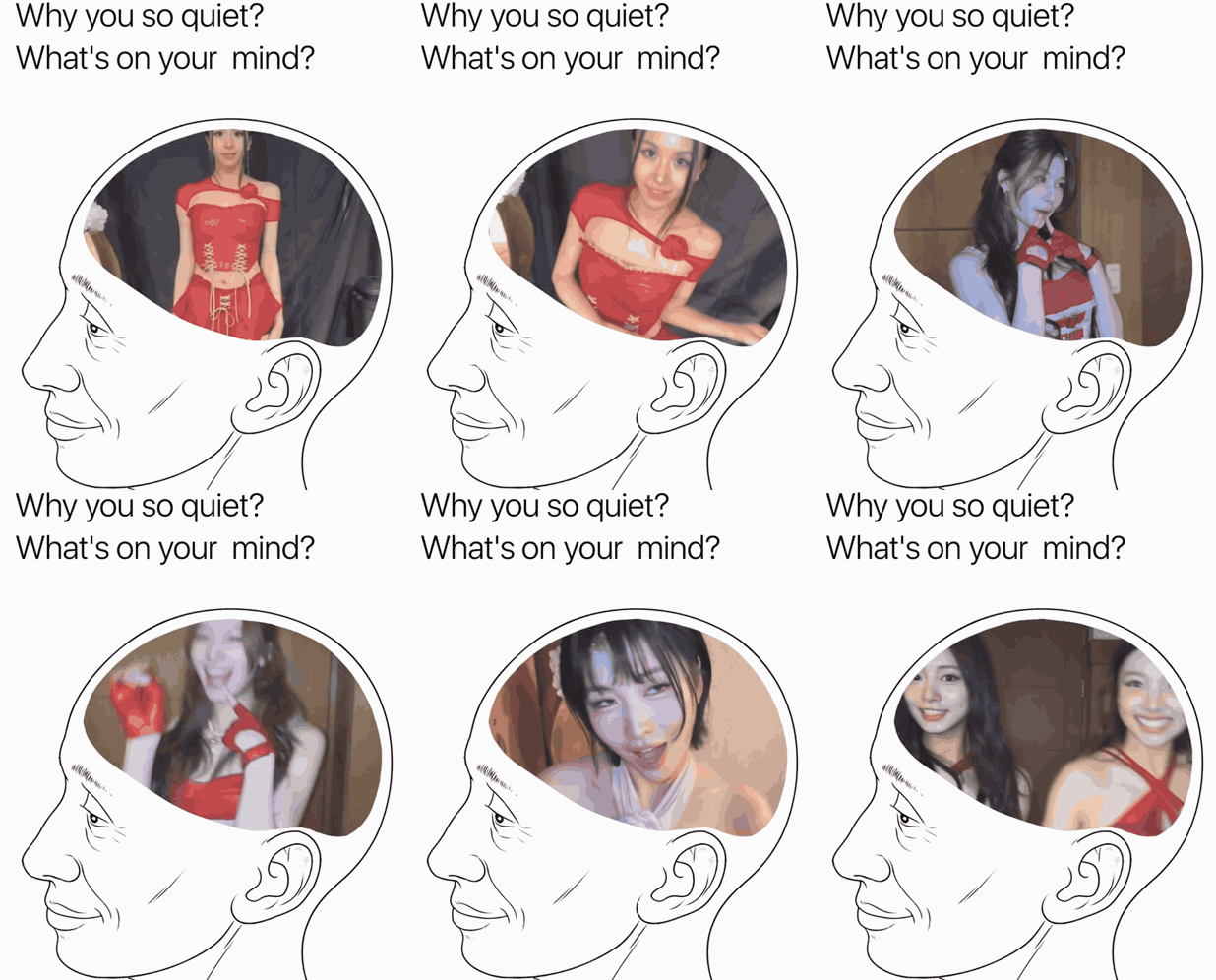
Title: “Why Are You So Quiet?” – The Question That Echoes Uncomfortably in Every Introvert’s Mind
Introduction: The Echo of an Unwanted Question
Picture this: You’re at a social gathering, contentedly sipping your drink, absorbing the buzz around you. Suddenly, someone turns to you and asks, “Why are you so quiet?” The room seems to hush as all eyes shift your way. Your cheeks flush, your mind races, and the comfort you felt evaporates. This question, though often well-meaning, can feel like a spotlight on perceived inadequacy. Let’s unpack why this query stings and how we can foster more inclusive conversations.
The Question Unveiled: More Than Just Curiosity
“Why are you so quiet?” isn’t a mere icebreaker—it’s a loaded inquiry. For introverts or those who prefer listening over speaking, it implies their natural demeanor is a problem needing correction. The question often surfaces in settings where extroversion is celebrated: parties, meetings, or networking events. But quietness isn’t a flaw; it’s a facet of personality. When framed as an anomaly, it alienates those who thrive in reflection.

Why It Stings: The Weight of Assumptions
- Pressure to Perform: The question forces individuals to defend their silence, as if participation were a performance metric. It equates value with vocal contribution, overlooking the power of observation.
- Implied Judgment: Being singled out suggests that quietness is odd or unwelcome. It can make one feel like an outsider in their own skin.
- Oversimplification: Silence isn’t emptiness. It might indicate deep thought, discomfort, or simply a preference for listening. Assuming otherwise dismisses the complexity of human interaction.
A Personal Echo: Moments of Discomfort
I recall a team meeting where I listened intently, formulating ideas. A colleague’s abrupt “You’re awfully quiet—got anything to add?” shifted the focus from collaboration to scrutiny. My input, when shared, was rushed and undervalued. Another time, a family reunion became a chorus of “Why so quiet? You used to be so talkative!”—ignoring that growth often nurtures introspection over chatter. These moments teach us how questions can unintentionally isolate.


Broader Implicationgs: The Extroversion Bias
Society often prizes extroversion—confidence, sociability, and assertiveness—as ideals. From classrooms to boardrooms, vocal participants are rewarded, while quiet thinkers may be overlooked. This bias marginalizes introverts, perpetuating the myth that loudness equals competence. Research by Susan Cain, author of Quiet: The Power of Introverts, highlights how this undervalues diverse strengths, from creativity to strategic thinking.
Rethinking Conversation: Questions That Welcome, Not Wound
Instead of probing someone’s quietness, try questions that invite connection without pressure:
- “What’s been on your mind lately?”
- “I’d love to hear your thoughts when you’re ready.”
- “How do you feel about [topic]?”
These approaches acknowledge presence without demanding performance, creating space for meaningful dialogue.
Conclusion: Embracing the Symphony of Voices
Conversations are symphonies—sometimes loud, sometimes soft, always richer with varied notes. Let’s retire questions that frame quietness as a shortcoming and instead celebrate diverse communication styles. Whether you’re the asker or the asked, remember: understanding thrives where judgment fades. Next time you meet someone quiet, smile and let the silence speak. Their words, when they come, might just be worth the wait.
Call to Action: Reflect on the questions you ask. Are they opening doors or building walls? Share your own “hated question” in the comments—let’s learn to communicate with more empathy, one conversation at a time.

 kohsarblog
Leave a comment