“To-do lists are not just a collection of tasks; they are a map of our priorities, a mirror of our ambitions, and a gentle nudge toward the life we aspire to live. The real challenge isn’t writing the list—it’s daring to cross things off.” – Unknown
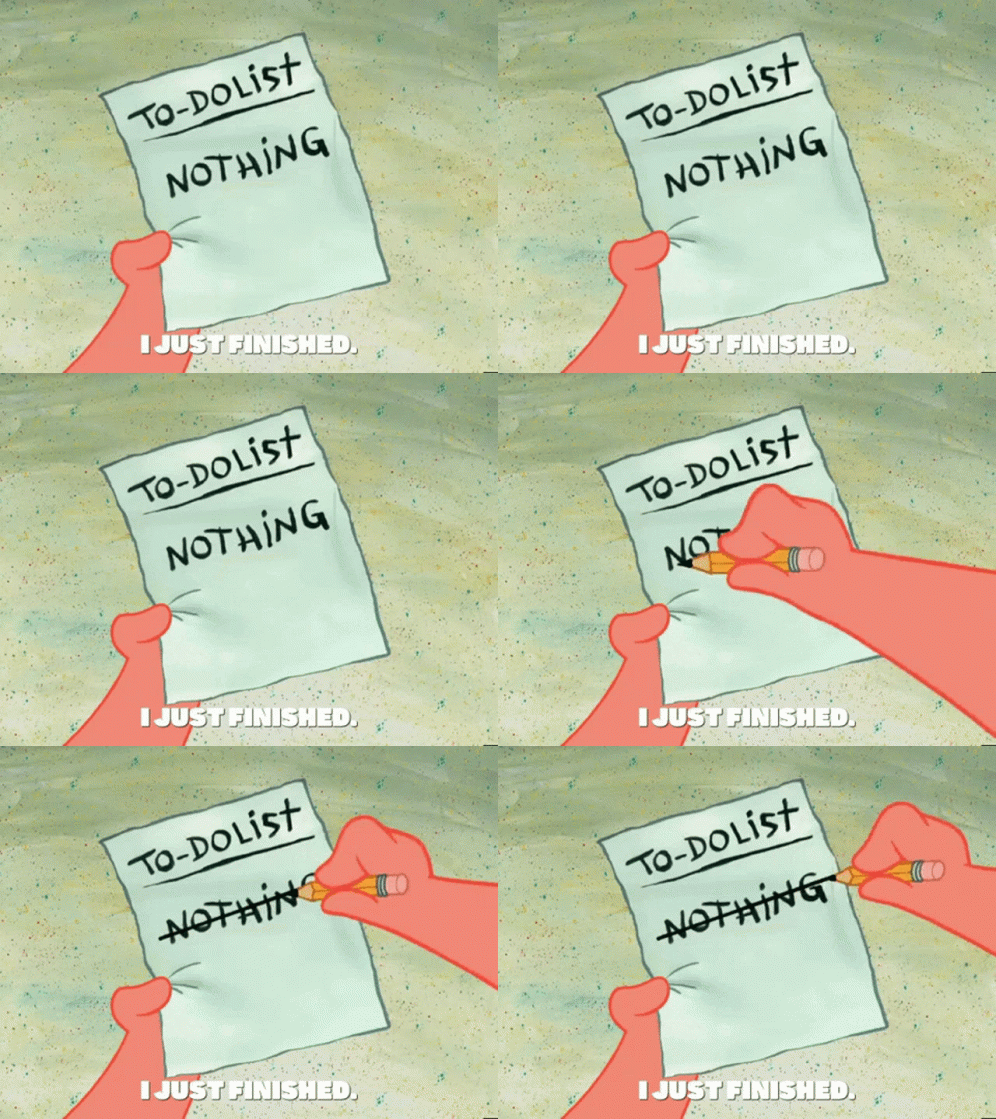
The Eternal To-Do List Item: Why We Can’t Seem to Tackle That One Thing
We all have one. That one task, project, or goal that sits on our to-do list, mocking us with its permanence. It’s been there for weeks, months, or even years. We’ve rewritten it, rephrased it, and even broken it down into smaller steps, yet it remains untouched. It’s the thing we swear we’ll get to “someday,” but that day never seems to come. Why does this happen? And more importantly, how can we finally cross it off our list?
In this blog post, we’ll explore the psychology behind why certain tasks never get done, the common culprits that keep us stuck, and actionable strategies to finally tackle that elusive to-do list item.
The Psychology of Procrastination: Why We Avoid Certain Tasks

At the heart of every unfinished task is procrastination. But procrastination isn’t just about laziness or poor time management—it’s often rooted in deeper psychological factors. Here are a few reasons why that one task never gets done:
- Fear of Failure
Sometimes, we avoid tasks because we’re afraid of failing. If the task is important or meaningful, the stakes feel higher, and the fear of not doing it perfectly can paralyze us. For example, if your lingering to-do item is “write a novel,” the pressure to create something extraordinary might be holding you back. - Lack of Clarity
Ambiguity is a major roadblock. If the task is vague or overwhelming, it’s hard to know where to start. For instance, “organize the garage” might feel daunting because it’s not clear what “organized” looks like or how to break it down into manageable steps. - Perfectionism
Perfectionists often struggle to start or finish tasks because they’re waiting for the “perfect” conditions. They might think, “I’ll start when I have more time” or “I’ll do it when I’m better prepared.” This mindset keeps the task in perpetual limbo. - Lack of Motivation
Not all tasks are inherently rewarding. If the task feels tedious, boring, or unrelated to your goals, it’s easy to put it off in favor of more enjoyable or urgent activities. - Emotional Resistance
Some tasks carry emotional baggage. For example, “call the insurance company” might remind you of a frustrating experience, or “clean out mom’s old room” might bring up feelings of grief. These emotions can make the task feel unbearable.
Common Culprits: What’s That One Thing on Your List?

While everyone’s to-do list is unique, there are some common items that seem to plague us all. Here are a few examples:
- Exercise Regularly
Many of us vow to start a fitness routine but struggle to follow through. The gap between intention and action can feel insurmountable, especially when life gets busy. - Learn a New Skill
Whether it’s playing the guitar, coding, or speaking a new language, learning something new requires time and effort. Without a clear plan, it’s easy to keep pushing it to the bottom of the list. - Declutter the House
Decluttering is a classic example of a task that feels overwhelming. It’s not just about physical effort—it also requires decision-making and emotional labor. - Start a Side Hustle
Many people dream of turning a passion project into a side hustle, but the fear of failure or lack of time often keeps them from taking the first step. - Plan for the Future
Tasks like “update my will” or “start saving for retirement” are important but not urgent, so they often get postponed indefinitely.
Why This Task Matters: The Cost of Procrastination

Ignoring that one task might seem harmless, but it can have real consequences. Here’s why it’s worth addressing:
- Mental Clutter
An unfinished task takes up mental space, creating a constant low-level stress. It’s like having a browser tab open in your mind that you can’t close. - Missed Opportunities
Procrastination can lead to missed opportunities. For example, delaying a career change or a creative project might mean never realizing your full potential. - Eroded Confidence
Every time you ignore the task, you reinforce the belief that you’re not capable of completing it. Over time, this can erode your self-confidence. - Strained Relationships
If the task involves others (e.g., “apologize to a friend” or “spend more time with family”), procrastination can harm your relationships.
How to Finally Tackle That Elusive Task

Now that we understand why certain tasks never get done, let’s talk about how to overcome the barriers. Here are some actionable strategies:
1. Break It Down
Large tasks feel overwhelming because they lack clarity. Break the task into smaller, more manageable steps. For example, instead of “write a novel,” start with “outline the plot” or “write 500 words.”
2. Set a Deadline
Without a deadline, tasks can linger indefinitely. Give yourself a realistic but firm timeline to create a sense of urgency.
3. Start Small
Commit to working on the task for just 5-10 minutes. Often, starting is the hardest part, and once you begin, you’ll find it easier to keep going.
4. Eliminate Distractions
Identify what’s keeping you from the task and remove it. If social media is a distraction, use an app blocker. If the environment is too noisy, find a quieter space.
5. Reframe Your Mindset
Instead of focusing on the outcome, focus on the process. For example, instead of thinking, “I need to lose 20 pounds,” think, “I’m going to eat healthier and move more every day.”
6. Use Accountability
Share your goal with a friend or join a group with similar objectives. Accountability can provide motivation and support.
7. Reward Yourself
Celebrate small wins along the way. For example, if your task is to declutter the garage, reward yourself with a treat after each section is completed.
8. Address Emotional Barriers
If the task is tied to difficult emotions, acknowledge them and seek support if needed. For example, if cleaning out a loved one’s belongings is too painful, ask a friend or family member to help.
9. Reevaluate the Task
Sometimes, the reason a task never gets done is that it’s no longer relevant or aligned with your goals. If that’s the case, give yourself permission to let it go.
Real-Life Examples: How Others Conquered Their Eternal To-Do Items

To inspire you, here are a few stories of people who finally tackled their lingering tasks:
- Sarah’s Novel
Sarah had dreamed of writing a novel for years but never made progress. She decided to join a writing group and committed to writing 500 words a day. Within a year, she completed her first draft. - Mike’s Garage
Mike’s garage was a cluttered mess, and the task felt overwhelming. He broke it down into sections (e.g., tools, sports equipment, holiday decorations) and tackled one section each weekend. After a month, his garage was organized. - Linda’s Side Hustle
Linda wanted to start a blog but kept putting it off. She finally signed up for an online course and set a launch date. By breaking the process into steps (e.g., choose a niche, design the website, write the first post), she was able to get started.
The Power of Completion

Crossing off that eternal to-do list item is more than just a productivity win—it’s a victory over procrastination, fear, and self-doubt. It’s a reminder that you’re capable of achieving your goals, no matter how daunting they seem.
So, what’s that one thing on your list? Whatever it is, take the first step today. Break it down, set a deadline, and commit to making progress. Remember, you don’t have to do it perfectly—you just have to start.
Final Thoughts

That one task on your to-do list isn’t just a task—it’s a reflection of your hopes, fears, and aspirations. By understanding why it’s been neglected and taking proactive steps to address it, you can finally move forward. And when you do, you’ll not only free up mental space but also gain a sense of accomplishment and confidence that will carry over into other areas of your life.
So, what are you waiting for? Pick up that pen, open that document, or grab that broom. The time to start is now.

 kohsarblog
Leave a comment