In a world filled with hate, we must still dare to hope. In a world filled with anger, we must still dare to comfort. In a world filled with despair, we must still dare to dream. And in a world filled with distrust, we must still dare to believe. Michael Jackson
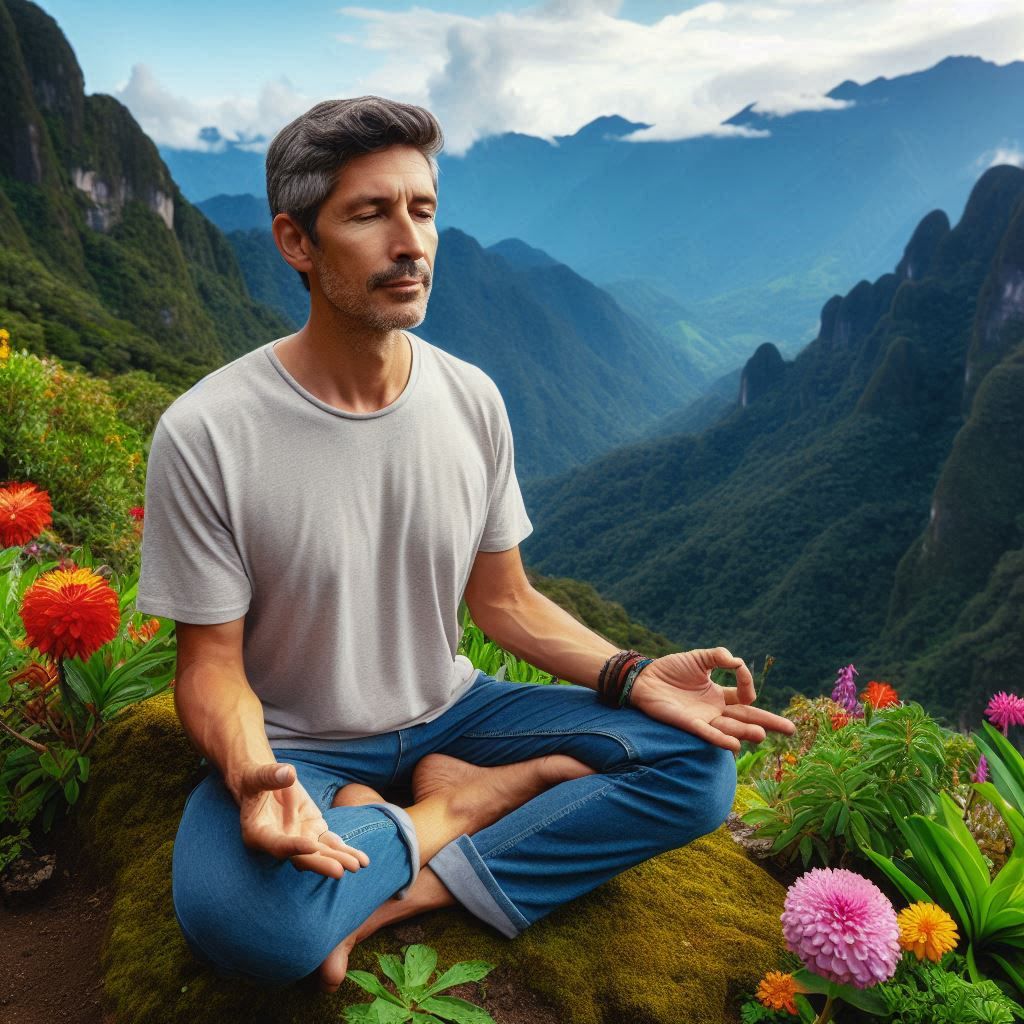
Certainly! Here are some strategies to increase comfort in your daily life:
- Make a List of Things You Love: Write down all the things that make you happy. Then, intentionally incorporate some of these activities into your daily routine.
- Indulge in Comfort Meals: Treat yourself to your favorite comfort foods guilt-free. Savor every second of that mac ‘n’ cheese or any other dish that brings you joy.
- Take a Break and Go for a Walk: Step outside, look up at the sky, watch the trees, and appreciate nature. Pay attention to your breathing and avoid thinking about stressful things.
- Laugh: Watch a funny show or talk to a friend who always makes you laugh. Laughter can be incredibly soothing.
- Engage in Relaxing Activities: Listen to soothing music, read a book, work on a puzzle, or immerse yourself in a hobby. These distractions can help alleviate stress.
- Enjoy Sunlight and Quiet Moments: Spend a few minutes sitting outside in the sun, soaking in peace and tranquility.
- Pray or Meditate: Many find comfort in spiritual practices. Take time to connect with your inner self.
- Spend Time with Pets: If you have a pet, enjoy their company. If not, consider fostering a pet or visiting a neighbor’s furry friend.
- Practice Gratitude: Reflect on the good things in your life. Gratitude can bring comfort even during challenging times.
- Treat Yourself: Buy a bouquet of flowers or create one from your yard. You deserve it!
Remember, self-care and intentional moments of comfort are essential for your well-being. 🌟¹²³
Source: Conversation with Copilot, 7/9/2024
(1) 10 Ways To Create Comfort In Your Life – First Things First. https://firstthings.org/10-ways-to-create-comfort-in-your-life/.
(2) Coping Skills for Stress and Uncomfortable Emotions – Verywell Mind. https://www.verywellmind.com/forty-healthy-coping-skills-4586742.
(3) How to Effectively Comfort Yourself – Psych Central. https://psychcentral.com/blog/how-to-comfort-yourself.

Certainly! Here are several effective relaxation techniques you can try:
- Breath Focus: Practice long, slow, deep breaths (also known as abdominal or belly breathing). Disengage your mind from distracting thoughts and sensations while focusing on your breath. This technique can be especially helpful for body awareness and positive self-image¹.
- Body Scan: Combine breath focus with progressive muscle relaxation. After deep breathing, focus on one part of your body or group of muscles at a time, mentally releasing any physical tension you feel there. It boosts awareness of the mind-body connection¹.
- Guided Imagery: Conjure up soothing scenes, places, or experiences in your mind to relax and focus. You can find free apps or online recordings with calming scenes. Choose imagery that resonates with you personally¹.
- Mindfulness Meditation: Sit comfortably, focus on your breathing, and bring your attention to the present moment. Avoid drifting into concerns about the past or future. Mindfulness meditation promotes relaxation and stress reduction¹.
- Progressive Relaxation: Tense and then relax different muscle groups systematically. Start from your toes and work your way up. This technique helps release physical tension and promotes overall relaxation⁵.
- Deep Breathing: Practice slow, deliberate breaths to calm your nervous system. It’s simple yet effective for reducing stress¹.
Remember to experiment and find what works best for you. Regular practice can create a well of calm to draw from when needed. 🌿¹³⁴
Source: Conversation with Copilot, 7/9/2024
(1) Relaxation methods or modalities. https://bing.com/search?q=relaxation+techniques.
(2) 5 Things To Know About Relaxation Techniques for Stress. https://www.nccih.nih.gov/health/tips/things-to-know-about-relaxation-techniques-for-stress.
(3) Stress management Relaxation techniques – Mayo Clinic. https://www.mayoclinic.org/healthy-lifestyle/stress-management/basics/relaxation-techniques/hlv-20049495.
(4) How to Relax Your Body and Mind – Verywell Mind. https://www.verywellmind.com/how-to-relax-physically-and-emotionally-3144472.
(5) Six relaxation techniques to reduce stress – Harvard Health. https://www.health.harvard.edu/mind-and-mood/six-relaxation-techniques-to-reduce-stress.

Certainly! Improving your sleep quality involves several key strategies. Here are some actionable steps you can take:
- Invest in a Better Mattress and Bedding: Choose a supportive mattress and comfortable pillows. Opt for bedding that feels inviting and helps regulate temperature during the night¹.
- Block Out Light: Use blackout curtains or a sleep mask to prevent excess light from interfering with your rest. Dim light helps your body produce melatonin, promoting better sleep¹.
- Minimize Noise: Create a sleep-friendly environment by reducing noise. Consider using a fan, white noise machine, or earplugs to drown out disturbances¹.
- Set the Thermostat to 65-68°F: Maintain a cooler room temperature for optimal sleep. Research suggests around 65-68°F is ideal¹.
- Get at Least Seven Hours of Sleep: Prioritize sleep by scheduling at least seven hours each night. Plan your bedtime based on your fixed wake-up time¹.
- Consistent Wake-Up Time: Train your body by waking up at the same time daily, even on weekends¹.
Remember, small adjustments can lead to significant improvements in your sleep quality. Sweet dreams! 🌙¹³
Source: Conversation with Copilot, 7/9/2024
(1) The 20 Ultimate Tips for How to Sleep Better | Sleep Foundation. https://www.sleepfoundation.org/sleep-hygiene/healthy-sleep-tips.
(2) Healthy Sleep: How Much You Need, Tips, Benefits, Treatment & More. https://www.healthline.com/health/healthy-sleep.
(3) 11 Tips to Improve Sleep Quality – Sleep Advisor. https://www.sleepadvisor.org/how-to-get-better-sleep/.
(4) What Is Sleep Quality? – National Sleep Foundation. https://www.thensf.org/what-is-sleep-quality/.
(5) What Is Healthy Sleep? – Sleep Foundation. https://www.sleepfoundation.org/sleep-hygiene/what-is-healthy-sleep.
(6) What can one do to have quality sleep?. https://microsoftstart.msn.com/en-us/health/ask-professionals/in-expert-answers-on-sleep/in-sleep?questionid=u3wpuasq&type=condition&source=bingmainline_conditionqna.
(7) Healthy Sleep Habits: The Ultimate Sleep Improvement Plan. https://www.sleepfoundation.org/sleep-habits.
(8) Sleep Tips – National Sleep Foundation. https://www.thensf.org/sleep-tips/.
(9) Strategies to promote better sleep in these uncertain times. https://www.health.harvard.edu/blog/strategies-to-promote-better-sleep-in-these-uncertain-times-2020032719333.
(10) How to Improve Your Sleep Habits – Verywell Health. https://www.verywellhealth.com/sleep-improvement-techniques-and-ideas-3014933.
(11) undefined. https://microsoftstart.msn.com/.

 kohsarblog
Leave a comment