Certainly! Here’s a powerful quote from Nelson Mandela:
“Education is the most powerful weapon which you can use to change the world.”
Mandela’s words emphasize the transformative impact of education and its ability to create positive change. 🌟
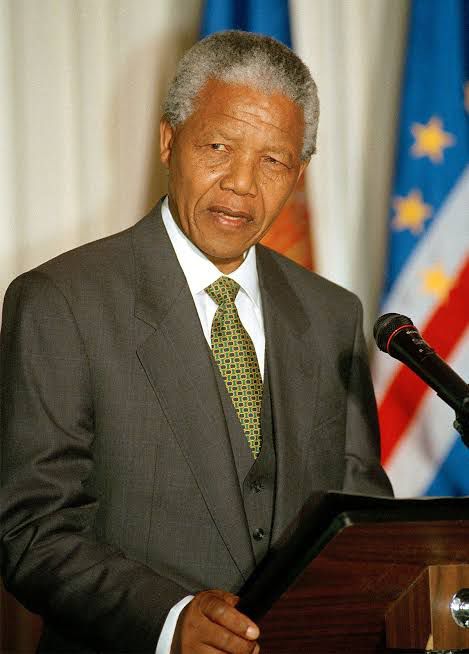
Certainly! Nelson Mandela, a towering figure in the fight against apartheid and for human rights, remains an inspiration to millions around the world. Let’s delve into the life and legacy of this remarkable leader.
Nelson Mandela: A Beacon of Hope
Early Life and Activism
Nelson Rolihlahla Mandela was born on July 18, 1918, in the village of Mvezo, South Africa. His journey toward becoming a global icon began with his involvement in anti-colonial and anti-apartheid activities. As a young lawyer, he joined the African National Congress (ANC) and dedicated himself to dismantling the oppressive apartheid regime.
Imprisonment and Resilience
In 1962, Mandela was arrested and sentenced to life imprisonment for his role in advocating for equality and justice. He spent 27 years behind bars, enduring harsh conditions and isolation. Yet, his spirit remained unbroken. His unwavering commitment to freedom and equality inspired countless others.
Triumph of Reconciliation
Mandela’s release from prison in 1990 marked a turning point. Rather than seeking revenge, he advocated for reconciliation and forgiveness. His negotiations with the apartheid government led to democratic elections in 1994, where he became South Africa’s first black president. His inauguration symbolized hope and unity.
Legacy and Impact
Mandela’s legacy extends beyond his political achievements. His emphasis on forgiveness, compassion, and inclusivity resonates globally. The Truth and Reconciliation Commission, established during his presidency, allowed victims and perpetrators to share their stories—a testament to healing and understanding.
Final Thoughts
Nelson Mandela’s life exemplifies resilience, courage, and the power of forgiveness. His words—”It always seems impossible until it’s done”—continue to inspire those fighting for justice and equality. As we reflect on his legacy, let us carry forward his vision of a world where all are equal and free.
Feel free to share your thoughts on this remarkable leader! 🌟
Certainly! Let’s explore Nelson Mandela’s significant impact on education:
Mandela’s Commitment to Education
1. Access to Education
Mandela recognized that education was a powerful tool for empowerment and social change. During his presidency, he prioritized improving access to quality education for all South Africans, regardless of race or socioeconomic status. His government worked to build schools, train teachers, and provide resources to underserved communities.
2. Adult Education and Literacy
Mandela championed adult education and literacy programs. He understood that education wasn’t limited to formal schooling; it also involved lifelong learning. Initiatives were launched to teach adults basic literacy skills, empowering them to participate fully in society.
3. Bridging Divides
Education played a crucial role in bridging racial and economic divides. Mandela believed that an educated populace would contribute to a more harmonious and equitable society. He encouraged dialogue and understanding across different cultural backgrounds through educational institutions.
4. Scholarships and Bursaries
Mandela’s foundation and other organizations established scholarships and bursaries to support disadvantaged students. These initiatives aimed to provide financial assistance to those pursuing higher education, ensuring that talented individuals had opportunities regardless of their circumstances.
5. Legacy
Mandela’s legacy in education lives on. Schools, universities, and educational programs bear his name, serving as reminders of his commitment to learning, equality, and social justice.
Nelson Mandela’s impact on education remains an enduring testament to his vision of a better world. 🌟


 kohsarblog
Leave a comment