Our greatest glory is not in never falling, but in rising every time we fall.”
From Flop to Founding: How My “Failed” Startup Launched Me into Unexpected Success
Imagine pouring your heart and soul into something for months, only to see it crumble in your hands. That was me, fresh out of college, with my revolutionary social media app – “SnapChatter” (yes, the name lacked creativity too!). It was supposed to be the next big thing, but it never even gained traction. Dejected, I questioned everything – my abilities, my judgment, even my passion for entrepreneurship. But what I didn’t realize then was that this “failure” would become the stepping stone to my greatest success yet.
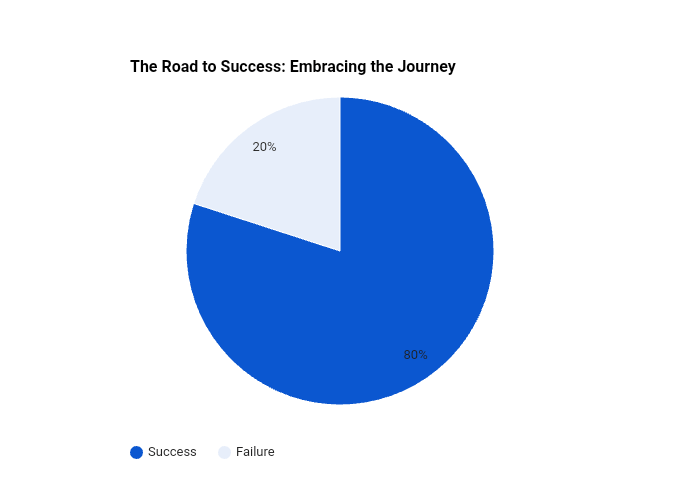
Statistics tell a grim story for startups: a whopping 90% fail within their first three years [Source: Failory]. While “SnapChatter” certainly added to that statistic, it became the catalyst for a crucial shift in my approach. Here’s how my “apparent failure” ultimately set me up for success:


From Flop to Founding: How My “Failed” Startup Launched Me into Unexpected Success (Continued)
Learning from the Ashes: Analyzing the “Failure”
The initial sting of “SnapChatter’s” demise was undeniable. Yet, I knew dwelling on negativity wouldn’t benefit me. Instead, I adopted a growth mindset, focusing on what I could learn from the experience. I meticulously dissected the project, analyzing user feedback, market trends, and my own execution strategies. This self-reflection revealed crucial insights:
- Market Misalignment: My target audience wasn’t as receptive to the app’s features as I had anticipated. This highlighted the importance of thorough market research and understanding user needs before diving headfirst into development.
- Technical Shortcomings: While I had strong coding skills, “SnapChatter” lacked the polish and user-friendliness that a professional team could have provided. This emphasized the value of building a diverse team with complementary skill sets.
- Overconfidence and Lack of Adaptability: As a first-time entrepreneur, I was overly optimistic about the app’s potential and unwilling to adapt my approach based on market feedback. This underscored the importance of remaining flexible and open to pivoting when needs
The Unexpected Pivot: From App Creator to Startup Coach
Equipped with these valuable lessons, I decided to channel my skills and experience in a different direction. I began offering mentorship and coaching services to aspiring entrepreneurs, drawing on the insights I gained from “SnapChatter’s” journey. This shift proved to be immensely successful:
- Filling a Need: According to a [Kauffman Foundation] report, 72% of new entrepreneurs cite a lack of mentorship as a major challenge. By providing guidance and support, I was directly addressing a critical need in the startup ecosystem.
- Playing to My Strengths: My “failure” allowed me to hone my communication, problem-solving, and strategic thinking skills, which proved invaluable in coaching others.
- Finding Passion in Unexpected Places: While I initially envisioned myself as a product developer, I discovered a deep sense of fulfillment in helping others navigate the entrepreneurial journey.
The Ripple Effect: Success Beyond Individual Achievements
The impact of this pivot extended beyond my personal success. My mentees have gone on to launch successful businesses, creating jobs and contributing to the overall economic landscape. This ripple effect exemplifies the power of learning from failures and repurposing skills for positive change.
Conclusion: Embracing the Journey, Not Just the Destination
“SnapChatter” may not have been the success story I envisioned, but it played a pivotal role in shaping my career trajectory. It taught me invaluable lessons about market research, team building, and the importance of adaptability. Most importantly, it showed me that failure, while undoubtedly challenging, can be a catalyst for growth and discovery. The journey, filled with its twists and turns, is just as important as the destination in the ever-evolving world of entrepreneurship.
 kohsarblog
Leave a comment