A city is a human zoo. But what a zoo! With smells and sounds and lights, instinct and ritual, drama and dreams, and always the possibility of something new.” – Edward Hoagland
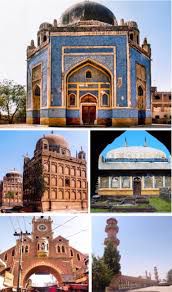
Hyderabad: A City Whispering Tales of Sindh’s Rich Past
Nestled on the eastern bank of the mighty Indus, Hyderabad, Sindh, is a city woven from the threads of time. Its story stretches back centuries, echoing with the whispers of empires, dynasties, and a vibrant cultural tapestry. From humble beginnings as a fishing village to its golden age as the capital of Sindh, Hyderabad’s journey is a testament to the indomitable spirit of its people and the enduring legacy of its past.
Early Beginnings:
The land where Hyderabad now stands has witnessed civilizations blossom and fade for millennia. Traces of the ancient town of Neroon Kot, established in the 2nd century BCE, still hold secrets beneath the modern cityscape. In the 8th century AD, Arab conquerors arrived, ushering in an era of Islamic influence that continues to shape the city’s character.
Birth of a City:
The city we know as Hyderabad owes its existence to Mian Ghulam Shah Kalhoro, a Sufi saint and ruler of the Kalhora dynasty. In 1768, seeking a more secure location for his capital, he shifted from Khudabad and founded Hyderabad on the banks of the Indus. Named after Caliph Ali, the city was destined to become the beating heart of Sindh.
The Kalhora Era:
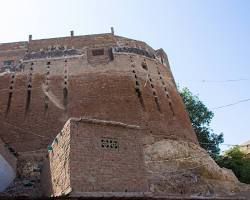
Under the Kalhoras, Hyderabad flourished. Trade thrived along the Indus, transforming the city into a commercial hub. Exquisite Sindhi handicrafts, ornate silk work, and intricate gold and silver embellishments gained renown across the region. Grand buildings, including the imposing Pacco Qilla (Strong Fort) and the graceful tombs of Kalhora rulers, still stand as testaments to their architectural prowess.
The Talpurs and the British:
In the early 19th century, the Kalhoras were supplanted by the Talpurs, another Sindhi dynasty. Under their reign, Hyderabad’s cultural life blossomed. Sufi poets like Shah Abdul Latif Bhittai penned verses that resonate with Sindhi hearts even today. However, the winds of change were blowing. In 1843, the British East India Company, after a fierce battle, annexed Sindh, marking the end of Hyderabad’s era as an independent kingdom.
Colonial Legacy:
The British Raj brought about significant changes to Hyderabad. Modern infrastructure – railways, bridges, and public buildings – sprung up, but so did a sense of cultural alienation. Despite this, the city remained a hub of Sindhi culture and intellectual discourse. Educational institutions like Sindh Madressatul Islam nurtured a generation of nationalist leaders who would play a crucial role in Pakistan’s independence struggle.
Post-Independence:
Since the creation of Pakistan in 1947, Hyderabad has continued to evolve. It has faced challenges, including political turmoil and ethnic tensions. Yet, the spirit of its people endures. Today, Hyderabad remains a vibrant cultural and commercial center, its bustling streets a melting pot of traditions and a testament to its rich and complex past.
Hyderabad Whispers:
As you walk through the labyrinthine lanes of Hyderabad’s old city, the past whispers from every corner. The carved facades of ancient buildings, the rhythmic chant of Sufi hymns in shrines, the aroma of spices wafting from bustling bazaars – each element tells a story. Visit the imposing Pacco Qilla, its walls echoing with tales of battles and bravery. Marvel at the intricate tile work of the tombs of Talpur rulers, silent guardians of the city’s heritage.
Lose yourself in the poetry of Shah Abdul Latif Bhittai, his verses a window into the soul of Sindhi culture. Listen to the melodies of Sindhi folk music, its melancholic notes carrying the weight of history. Hyderabad is a city that whispers its stories. If you listen closely, you can hear the echoes of empires, the resilience of its people, and the vibrant spirit that beats at its heart.
Hyderabad’s future:
While its past is rich and fascinating, Hyderabad’s future holds immense promise. As Pakistan progresses, the city is poised to play a vital role in the country’s economic and cultural development. Its strategic location, skilled workforce, and vibrant entrepreneurial spirit make it a land of opportunity. Yet, the challenges of preserving its heritage while embracing modernity remain.
Hyderabad must find a way to bridge the gap between its glorious past and its dynamic future. By recognizing the value of its history and harnessing the potential of its people, Hyderabad can continue to write its own unique chapter in the story of Sindh and Pakistan.
This is just a glimpse into the captivating history of Hyderabad, Sindh. Each aspect – from its architectural marvels to its vibrant cultural tapestry – deserves further exploration. So, come, wander through its streets, listen to its stories, and discover for yourself
 kohsarblog
Leave a comment