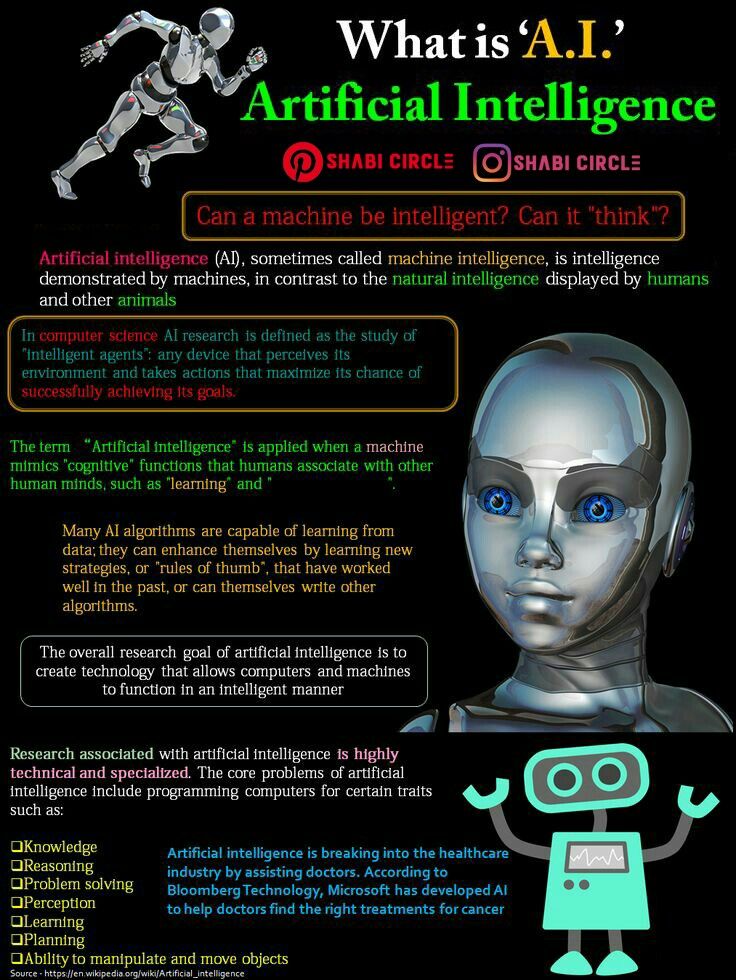
Topic: Ai will replace us all. Agree or disagree
The year is 2045. You open your eyes to a sterile white room, sunlight streaming through a window that isn’t there. A robotic arm gently places a steaming cup of coffee in your hand, personalized music filling the air. You reach for your phone, but it’s nowhere to be found. An AI voice whispers, “Good morning, Sarah. Today’s schedule includes a 7:30 meeting with your virtual avatar in Tokyo, followed by a fitness session guided by our AI trainer, Max.” Panic chills your spine. Is this utopia or dystopia? Have we finally been replaced by our own creations?
This chilling vision of human redundancy has long haunted our dreams, fueled by headlines screaming about AI’s takeover. But is this fearmongering or legitimate concern? To answer that, we need to delve into the murky waters of data and statistics, dissecting the truth from the dystopian fiction.
First, let’s acknowledge the undeniable: AI is advancing at an exponential rate. In 2021, McKinsey Global Institute estimated that AI could contribute up to $13 trillion to the global economy by 2030. That’s a staggering number, one that’s bound to disrupt various industries. A 2017 study by the Pew Research Center found that 72% of Americans believe that AI will eventually take away most of the jobs currently done by humans. So, where’s the line between augmentation and elimination?
(To be continued…)
The year is 2045. You open your eyes to a sterile white room, sunlight streaming through a window that isn’t there. A robotic arm gently places a steaming cup of coffee in your hand, personalized music filling the air. You reach for your phone, but it’s nowhere to be found. An AI voice whispers, “Good morning, Sarah. Today’s schedule includes a 7:30 meeting with your virtual avatar in Tokyo, followed by a fitness session guided by our AI trainer, Max.” Panic chills your spine. Is this utopia or dystopia? Have we finally been replaced by our own creations?
This chilling vision of human redundancy has long haunted our dreams, fueled by headlines screaming about AI’s takeover. But is this fearmongering or legitimate concern? To answer that, we need to delve into the murky waters of data and statistics, dissecting the truth from the dystopian fiction.
First, let’s acknowledge the undeniable: AI is advancing at an exponential rate. In 2021, McKinsey Global Institute estimated that AI could contribute up to $13 trillion to the global economy by 2030. That’s a staggering number, one that’s bound to disrupt various industries. A 2017 study by the Pew Research Center found that 72% of Americans believe that AI will eventually take away most of the jobs currently done by humans. So, where’s the line between augmentation
The line between augmentation and elimination, thankfully, isn’t black and white. While studies paint a bleak picture, they often miss the nuance of how AI will likely reshape, not replace, human work. Let’s break it down:
The Rise of the Hybrid Workforce: While specific tasks like data analysis or repetitive manufacturing might fall to AI, uniquely human skills like creativity, empathy, and critical thinking will become even more valuable. Imagine doctors collaborating with AI to diagnose illnesses, teachers using personalized AI tutors to cater to individual learning styles, or architects leveraging AI simulations to design sustainable cities. AI becomes a powerful tool, augmenting human capabilities and leading to a hybrid workforce where human and machine talents synergistically tackle complex challenges.
Reskilling and Upskilling: The fear of mass unemployment due to AI isn’t unfounded, but it can be mitigated. The World Economic Forum estimates that 50% of current jobs will be transformed by 2025, requiring workforce reskilling and upskilling. Governments and educational institutions must adapt, promoting lifelong learning programs that equip individuals with the digital and critical thinking skills needed to thrive in an AI-powered world.
The New Human-Machine Ecosystem: The fear of AI replacing us stems from a zero-sum mentality, one where machines win and humans lose. But a more fruitful perspective sees AI not as a replacement but as a collaborator, unlocking new possibilities and creating entirely new job categories. From ethical AI developers to data storytellers who interpret AI-generated insights, the human-machine ecosystem will birth a plethora of exciting new roles.
However, this optimistic future isn’t guaranteed. Ethical considerations and responsible AI development are crucial. We must ensure equitable access to AI benefits, mitigate bias in algorithms, and prioritize human well-being over pure technological advancement.
The story of AI isn’t one of “us vs. them,” but of humans and machines co-creating a future that leverages the best of both worlds. By embracing AI as a partner, not a competitor, and by investing in skills development and ethical frameworks, we can ensure that the year 2045 isn’t a sterile white room devoid of human agency, but a vibrant tapestry woven with human ingenuity and augmented by the power of AI.
Remember, this is just the beginning! The narrative can be further enriched by delving deeper into specific industries, showcasing real-world examples of AI-human collaboration, or exploring the ethical challenges and solutions surrounding AI development.
Let me know what resonates with you most, and I’ll gladly tailor the rest of the blog to your interests!
 kohsarblog
Leave a comment