AI in Disease Control
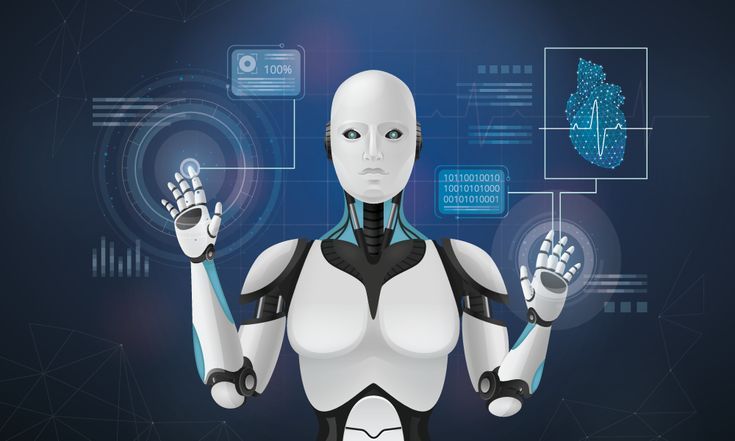
Title: The Role of Artificial Intelligence in Disease Prevention and Control
Introduction
Artificial Intelligence (AI) has rapidly emerged as a groundbreaking technology with the potential to revolutionize various industries, and one of its most promising applications lies in disease prevention and control. The integration of AI in healthcare is not a futuristic dream but a tangible reality with far-reaching implications for public health. In this article, we will explore how AI is transforming disease prevention and control, providing new tools to diagnose, predict, and manage diseases.
Early Detection and Diagnosis
One of the most significant contributions of AI in disease prevention is its ability to improve early detection and diagnosis. Machine learning algorithms can analyze vast datasets of patient records, medical images, and genetic information, enabling healthcare professionals to identify potential health risks and diseases at a much earlier stage than traditional methods. For example, AI can assist in detecting anomalies in medical images like X-rays and MRI scans, helping diagnose conditions like cancer, fractures, and neurological disorders with greater accuracy.
Predictive Analytics
AI is not limited to diagnosing existing conditions; it can also predict disease outbreaks and epidemics. By analyzing historical data, including environmental factors, population movement, and health records, AI can forecast the potential spread of diseases. This capability is invaluable for public health officials in preparing for and mitigating the impact of epidemics like the flu or the emergence of new infectious diseases. Predictive analytics also play a crucial role in monitoring and managing chronic diseases such as diabetes, where AI can provide real-time data and personalized treatment plans for patients.
Drug Discovery and Development
Artificial Intelligence is undeniably transforming disease prevention and control. It enhances early detection, predictive analytics, drug development, and personalized medicine. Moreover, it extends healthcare access through remote monitoring and telemedicine. As AI technologies continue to advance, they will play an increasingly pivotal role in improving global public health, saving lives, and reducing the economic burden of diseases. However, the responsible use of AI and the mitigation of potential challenges are key to realizing its full potential in healthcare.
The traditional drug discovery process is a lengthy and expensive endeavor. AI is accelerating drug development by simulating and analyzing molecular interactions, significantly reducing the time required to identify potential drug candidates. Machine learning models can predict the efficacy and potential side effects of compounds, leading to more efficient and targeted drug development. This not only expedites the availability of treatments but also reduces costs.
Personalized Medicine
AI is making personalized medicine a reality. Through genetic profiling and continuous patient monitoring, AI can tailor treatment plans to an individual’s unique genetic makeup and health history. This approach maximizes treatment effectiveness while minimizing adverse effects. AI-driven healthcare is moving from a one-size-fits-all model toand a highly individualized approach, ensuring that patients receive the most appropriate care for their specific needs.
Remote Monitoring and Telemedicine
The COVID-19 pandemic accelerated the adoption of telemedicine, but AI is taking it a step further by enabling remote monitoring of patients’ health. Wearable devices and smartphone apps equipped with AI algorithms can track vital signs, detect anomalies, and alert healthcare providers to potential issues in real-time. This allows for better management of chronic conditions, reduces the burden on healthcare facilities, and enhances overall patient care.
Challenges and Ethical Considerations
While AI holds immense promise in disease prevention and control, it also raises concerns. Privacy and data security are critical issues as health-related data is sensitive. Ensuring the responsible and ethical use of AI in healthcare, as well as safeguarding patient information, is paramount. Additionally, there’s the need to address bias in AI algorithms to ensure equitable healthcare access and treatment for all.

Conclusion
Artificial Intelligence is undeniably transforming disease prevention and control. It enhances early detection, predictive analytics, drug development, and personalized medicine. Moreover, it extends healthcare access through remote monitoring and telemedicine. As AI technologies continue to advance, they will play an increasingly pivotal role in improving global public health, saving lives, and reducing the economic burden of diseases. However, the responsible use of AI and the mitigation of potential challenges are key to realizing its full potential in healthcare.
Title: The Role of Artificial Intelligence in Disease Prevention and Control
AI in Disease Control
Introduction
Artificial Intelligence (AI) has rapidly emerged as a groundbreaking technology with the potential to revolutionize various industries, and one of its most promising applications lies in disease prevention and control. The integration of AI in healthcare is not a futuristic dream but a tangible reality with far-reaching implications for public health. In this article, we will explore how AI is transforming disease prevention and control, providing new tools to diagnose, predict, and manage diseases.
Certainly, let’s delve further into some specific examples and ongoing developments in the role of AI in disease prevention and control:
Early Detection and Diagnosis
One of the most significant contributions of AI in disease prevention is its ability to improve early detection and diagnosis. Machine learning algorithms can analyze vast datasets of patient records, medical images, and genetic information, enabling healthcare professionals to identify potential health risks and diseases at a much earlier stage than traditional methods. For example, AI can assist in detecting anomalies in medical images like X-rays and MRI scans, helping diagnose conditions like cancer, fractures, and neurological disorders with greater accuracy.
Predictive Analytics
AI is not limited to diagnosing existing conditions; it can also predict disease outbreaks and epidemics. By analyzing historical data, including environmental factors, population movement, and health records, AI can forecast the potential spread of diseases. This capability is invaluable for public health officials in preparing for and mitigating the impact of epidemics like the flu or the emergence of new infectious diseases. Predictive analytics also play a crucial role in monitoring and managing chronic diseases such as diabetes, where AI can provide real-time data and personalized treatment plans for patients.
- Epidemic Forecasting: AI models have proven their worth in predicting disease outbreaks. For instance, during the COVID-19 pandemic, AI-driven models successfully predicted the spread of the virus, helping governments and healthcare systems prepare for surges and allocate resources more efficiently.
- Cancer Screening: AI-powered tools are revolutionizing cancer screening and diagnostics. Companies and research institutions have developed algorithms that can detect early signs of cancer from medical images like mammograms and CT scans. This can lead to faster detection and improved survival rates.
- Drug Repurposing: AI is being used to find new uses for existing drugs. By analyzing extensive datasets, AI can identify existing drugs that might be effective in treating other diseases, potentially speeding up the process of finding treatments for new conditions.
- Mental Health: AI-driven chatbots and virtual mental health assistants are being used to provide mental health support. These tools can offer personalized, 24/7 support, which is especially valuable in a world where mental health concerns are on the rise.
- Vaccine Development: AI is aiding in vaccine development by speeding up the identification of potential vaccine candidates and optimizing their design. This was particularly evident during the rapid development of COVID-19 vaccines.
- Genomic Medicine: The analysis of vast genomic datasets is being made feasible through AI. This is helping researchers understand the genetic basis of diseases and develop more targeted treatments.
- IoT and Wearables: The Internet of Things (IoT) combined with AI is enabling remote monitoring of patients’ health. Wearable devices can collect real-time data, including heart rate, blood pressure, and more, and AI can analyze this data to provide early warnings and trends for chronic diseases.
- Public Health Interventions: AI can be used to model the potential impact of various interventions in public health. For example, it can help optimize vaccination strategies or social distancing measures during a disease outbreak.
- Healthcare Chatbots: AI-driven chatbots and virtual assistants are being used for preliminary diagnosis and symptom checking. They can provide guidance to patients, direct them to appropriate healthcare resources, and reduce the burden on healthcare providers.
- Radiology Assistance: Radiologists are using AI-powered tools to aid in their work. These tools can quickly analyze medical images, highlight anomalies, and increase the efficiency of the diagnostic process.
Drug Discovery and Development
The traditional drug discovery process is a lengthy and expensive endeavor. AI is accelerating drug development by simulating and analyzing molecular interactions, significantly reducing the time required to identify potential drug candidates. Machine learning models can predict the efficacy and potential side effects of compounds, leading to more efficient and targeted drug development. This not only expedites the availability of treatments but also reduces costs.
Personalized Medicine
AI is making personalized medicine a reality. Through genetic profiling and continuous patient monitoring, AI can tailor treatment plans to an individual’s unique genetic makeup and health history. This approach maximizes treatment effectiveness while minimizing adverse effects. AI-driven healthcare is moving from a one-size-fits-all model to a highly individualized approach, ensuring that patients receive the most appropriate care for their specific needs.
Remote Monitoring and Telemedicine
The COVID-19 pandemic accelerated the adoption of telemedicine, but AI is taking it a step further by enabling remote monitoring of patients’ health. Wearable devices and smartphone apps equipped with AI algorithms can track vital signs, detect anomalies, and alert healthcare providers to potential issues in real-time. This allows for better management of chronic conditions, reduces the burden on healthcare facilities, and enhances overall patient care.
Challenges and Ethical Considerations
While AI holds immense promise in disease prevention and control, it also raises concerns. Privacy and data security are critical issues as health-related data is sensitive. Ensuring the responsible and ethical use of AI in healthcare, as well as safeguarding patient information, is paramount. Additionally, there’s the need to address bias in AI algorithms to ensure equitable healthcare access and treatment for all.
Conclusion
Certainly, let’s delve further into some specific examples and ongoing developments in the role of AI in disease prevention and control:
While the potential of AI in disease prevention and control is promising, it’s important to emphasize the need for proper regulations, ethics, and transparency in the development and deployment of these technologies. The collaboration between healthcare professionals, researchers, and AI experts is key to harnessing the full potential of AI in improving public health.
- Epidemic Forecasting: AI models have proven their worth in predicting disease outbreaks. For instance, during the COVID-19 pandemic, AI-driven models successfully predicted the spread of the virus, helping governments and healthcare systems prepare for surges and allocate resources more efficiently.
- Cancer Screening: AI-powered tools are revolutionizing cancer screening and diagnostics. Companies and research institutions have developed algorithms that can detect early signs of cancer from medical images like mammograms and CT scans. This can lead to faster detection and improved survival rates.
- Drug Repurposing: AI is being used to find new uses for existing drugs. By analyzing extensive datasets, AI can identify existing drugs that might be effective in treating other diseases, potentially speeding up the process of finding treatments for new conditions.
- Mental Health: AI-driven chatbots and virtual mental health assistants are being used to provide mental health support. These tools can offer personalized, 24/7 support, which is especially valuable in a world where mental health concerns are on the rise.
- Vaccine Development: AI is aiding in vaccine development by speeding up the identification of potential vaccine candidates and optimizing their design. This was particularly evident during the rapid development of COVID-19 vaccines.
- Genomic Medicine: The analysis of vast genomic datasets is being made feasible through AI. This is helping researchers understand the genetic basis of diseases and develop more targeted treatments.
- IoT and Wearables: The Internet of Things (IoT) combined with AI is enabling remote monitoring of patients’ health. Wearable devices can collect real-time data, including heart rate, blood pressure, and more, and AI can analyze this data to provide early warnings and trends for chronic diseases.
- Public Health Interventions: AI can be used to model the potential impact of various interventions in public health. For example, it can help optimize vaccination strategies or social distancing measures during a disease outbreak.
- Healthcare Chatbots: AI-driven chatbots and virtual assistants are being used for preliminary diagnosis and symptom checking. They can provide guidance to patients, direct them to appropriate healthcare resources, and reduce the burden on healthcare providers.
- Radiology Assistance: Radiologists are using AI-powered tools to aid in their work. These tools can quickly analyze medical images, highlight anomalies, and increase the efficiency of the diagnostic process.
While the potential of AI in disease prevention and control is promising, it’s important to emphasize the need for proper regulations, ethics, and transparency in the development and deployment of these technologies. The collaboration between healthcare professionals, researchers, and AI experts is key to harnessing the full potential of AI in improving public health.
 kohsarblog
Leave a comment