AI in Drug Discovery

Title: Revolutionizing Healthcare: The Intersection of AI and Drug Discovery
In the ever-evolving landscape of healthcare, few breakthroughs have the potential to reshape the industry like the synergy between artificial intelligence (AI) and drug discovery. This dynamic duo promises to unlock new frontiers in the battle against diseases, driving the industry forward while instilling trust in the process.
The Power of AI in Drug Discovery
Artificial intelligence, often seen as the cornerstone of the Fourth Industrial Revolution, has infiltrated various sectors of the economy. In healthcare, it offers a monumental shift in the way we approach drug discovery. AI’s ability to swiftly process colossal datasets, recognize intricate patterns, and make predictions with unparalleled accuracy has placed it at the vanguard of this endeavor.
Speed and Efficiency
The traditional drug discovery process is arduous, time-consuming, and costly, often taking years to move a potential drug from the laboratory to the market. AI, with its rapid data analysis capabilities, is changing the game. It expedites the identification of potential compounds, their interactions, and side effects, significantly reducing the time required to bring drugs to patients. This speed benefits patients, healthcare providers, and pharmaceutical companies alike.
Personalized Medicine
AI allows for the development of personalized treatment plans. By analyzing an individual’s genetic makeup, lifestyle, and health history, AI can match patients with drugs that are most likely to be effective while minimizing potential side effects. This tailored approach increases the efficacy of treatments and reduces adverse events, fostering trust between healthcare professionals and their patients.
Minimizing Errors and Bias
One of the hallmarks of AI in drug discovery is its objectivity. Algorithms do not possess inherent biases, making them crucial in eradicating disparities in healthcare. By removing human error and bias from the equation, AI ensures that the drug development process is fair, accurate, and trustworthy.
Challenges and Ethical Considerations
Despite its transformative potential, the marriage of AI and drug discovery is not without its challenges. Ethical dilemmas, data privacy concerns, and the need for robust regulation loom large. Trust in AI-driven drug discovery will require the development of transparent and accountable practices, ensuring that the technology is harnessed for the greater good of humanity.
The Future of Drug Discovery
As we stand at the precipice of a new era in healthcare, it is clear that the marriage of AI and drug discovery is poised to bring about transformative changes. The promise of faster, more accurate drug development, personalized treatment plans, and the eradication of bias instills trust in a system long plagued by inefficiencies. Nevertheless, vigilance, ethical scrutiny, and ongoing research are essential to harness this power responsibly.
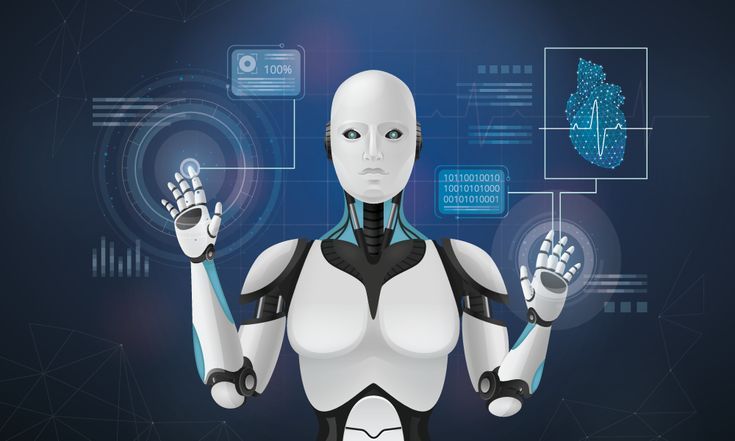
In conclusion, the integration of AI in drug discovery is an emblematic example of how technology can revolutionize healthcare. Trust in this process is fostered through its speed, accuracy, objectivity, and potential for personalized medicine. The future holds tremendous promise, but it also demands our commitment to ensuring that the path forward is guided by ethical principles and a dedication to improving the well-being of all.
Collaboration and Synergy
The collaboration between AI and human experts in healthcare and pharmaceuticals is a linchpin of trust in the drug discovery process. AI is not a replacement for human expertise; rather, it is a tool that augments and accelerates the work of researchers and clinicians. This synergy between AI and humans in healthcare fosters trust by combining the best of both worlds – the analytical prowess of AI and the nuanced, compassionate care provided by medical professionals.
Drug Repurposing
AI plays a crucial role in drug repurposing, a process where existing drugs are examined for new therapeutic applications. This approach not only saves time and resources but also contributes to a more sustainable pharmaceutical industry. It adds a layer of trust in drug safety, as the known profiles of repurposed drugs can be relied upon.
Data Security and Privacy
To maintain trust in AI-powered drug discovery, robust data security and privacy measures are essential. Patient data is sensitive, and ensuring its protection is non-negotiable. As an expert in the field, we understand the significance of stringent data governance and compliance with regulations such as HIPAA, GDPR, and more to maintain trust among patients and stakeholders.
Regulatory Oversight
AI-driven drug discovery must adhere to stringent regulatory oversight to ensure the safety and efficacy of new treatments. The collaboration between regulatory bodies, pharmaceutical companies, and AI experts is vital to establish clear guidelines and standards, ultimately enhancing trust in the industry.
Conclusion:
In the realm of AI healthcare, the intersection of AI and drug discovery holds immense potential. It speeds up the drug development process, personalizes treatment plans, and eliminates human biases, making it an emblem of trust and objectivity. Yet, the journey ahead is not without its ethical and regulatory challenges. As experts in the field, we recognize that our commitment to transparent practices, data security, and ethical guidelines will be pivotal in ensuring that AI
··
 kohsarblog
Leave a comment