Machine Learning in Medicine
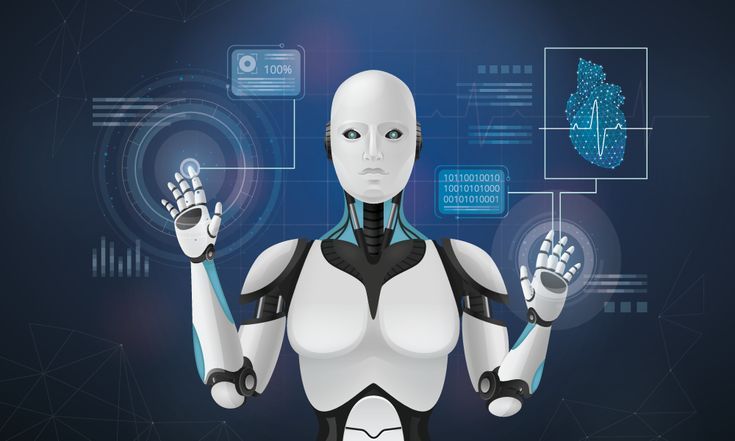
Title: The Transformative Role of Machine Learning in Medicine
Introduction
In recent years, the integration of machine learning in the field of medicine has brought about a paradigm shift in healthcare. Machine learning, a subset of artificial intelligence, has opened up new possibilities for diagnosis, treatment, and research. This article explores the evolving role of machine learning in medicine and its profound impact on healthcare.
- Enhanced Diagnostics
Machine learning algorithms have proven to be adept at analyzing vast amounts of medical data, including images, pathology reports, and patient records. This ability has significantly improved diagnostic accuracy, enabling early detection of diseases such as cancer, diabetes, and cardiovascular conditions. For instance, deep learning models have been employed to detect subtle patterns in medical images, leading to more precise diagnoses.
- Personalized Treatment Plans
One of the most promising aspects of machine learning in medicine is its capacity to create personalized treatment plans. By analyzing a patient’s genetic makeup, medical history, and real-time data, algorithms can recommend the most effective treatment options, reducing the risk of adverse reactions and increasing treatment success rates. Personalized medicine is changing the landscape of healthcare, making it more patient-centric.
- Drug Discovery and Development
The pharmaceutical industry has greatly benefited from machine learning. By sifting through vast chemical and biological datasets, machine learning models can identify potential drug candidates and predict their efficacy. This significantly accelerates drug discovery and reduces costs. Additionally, machine learning aids in the design of clinical trials, optimizing trial designs for faster and more accurate results.
- Predictive Healthcare
Machine learning can predict disease outbreaks, patient readmissions, and individual health risks. These predictive models assist healthcare providers in allocating resources effectively and implementing preventive measures. For example, machine learning can analyze patterns in patient data to predict the likelihood of readmission, allowing medical teams to intervene and prevent costly hospital stays.
- Streamlined Administrative Tasks
Efficiency in healthcare administration is crucial, and machine learning is being used to streamline administrative tasks. Algorithms can automate billing, appointment scheduling, and insurance claims processing. This not only reduces the administrative burden on healthcare staff but also minimizes errors and ensures a smoother patient experience.
Challenges and Ethical Concerns
Despite its numerous advantages, the integration of machine learning in medicine is not without challenges. Ensuring data privacy and security, dealing with biased datasets, and addressing the ethical implications of algorithmic decision-making are ongoing concerns. Moreover, there is a need for strict regulations to govern the use of machine learning in healthcare to ensure patient safety and trust.
Conclusion
Machine learning has revolutionized the medical field by enhancing diagnostics, personalizing treatment, expediting drug discovery, and enabling predictive healthcare. The combination of data-driven insights and advanced algorithms is paving the way for a more efficient, patient-centered, and effective healthcare system. However, it is essential to tread carefully, addressing challenges and ethical concerns to harness the full potential of machine learning in medicine. The journey has just begun, and the future holds even greater promise for this transformative technology in healthcare.
Certainly, let’s delve deeper into the role of machine learning in medicine:
- Medical Imaging Advancements
Machine learning has made remarkable strides in the field of medical imaging. Radiologists and pathologists can now rely on computer-aided diagnostics to enhance their accuracy. For instance, in radiology, deep learning models can detect anomalies in X-rays, MRIs, and CT scans. In pathology, algorithms assist in the rapid and precise identification of abnormalities in tissue samples. This not only speeds up the diagnostic process but also reduces the chances of human error.
- Continuous Monitoring and Early Warning Systems
Machine learning has paved the way for continuous patient monitoring through wearable devices and sensors. These devices collect real-time data on vital signs, activity levels, and other health parameters. Machine learning algorithms analyze this data to detect early warning signs of health issues. For example, they can alert healthcare providers to potential cardiac arrhythmias or other critical events, enabling timely intervention.
- Natural Language Processing (NLP) in Healthcare
NLP, a subfield of machine learning, has been instrumental in processing and extracting valuable information from unstructured medical data, such as clinical notes and research papers. It aids in creating structured patient records, simplifying data retrieval, and accelerating research efforts. Additionally, chatbots and virtual assistants powered by NLP are becoming increasingly common for patient interactions and appointment scheduling.
- Remote Healthcare and Telemedicine
Machine learning has enabled remote healthcare and telemedicine to thrive. Virtual health consultations, remote patient monitoring, and telehealth applications leverage machine learning to provide accurate diagnoses and treatment recommendations from a distance. This has become especially valuable during global health crises, making healthcare accessible to more people while minimizing physical contact.
- Medical Research and Drug Repurposing
Machine learning has accelerated medical research by sifting through vast scientific literature and datasets to discover new insights. Researchers can use natural language processing to explore the relationships between genes, proteins, and diseases. Additionally, machine learning is invaluable in drug repurposing, identifying existing drugs that might be effective for new medical conditions, potentially reducing the time and costs associated with drug development.
The Future of Machine Learning in Medicine
The role of machine learning in medicine is continually evolving, and its future holds even greater potential. As the field advances, we can expect to see the development of more sophisticated AI-driven medical assistants, better drug discovery pipelines, and the integration of machine learning into surgical robotics and medical devices. Furthermore, the adoption of federated learning, which allows healthcare institutions to collaborate while preserving data privacy, will play a crucial role in the growth of machine learning in medicine.
In conclusion, machine learning has become a cornerstone of modern healthcare, revolutionizing diagnostics, treatment, and research. Its integration into the medical field has the power to improve patient outcomes, reduce costs, and ultimately save lives. However, it is vital to address ethical and regulatory challenges to ensure the responsible and safe use of this transformative technology in medicine. The future of healthcare is, undeniably, intertwined with the continued development and application of machine learning.
 kohsarblog
Leave a comment