Open sidebar
Robotics in AI: Revolutionizing Automation

Title: Robotics in AI: Bridging the Gap Between Intelligence and Automation
Introduction
The convergence of Robotics and Artificial Intelligence (AI) is transforming the way we interact with machines and perceive automation. Robotics in AI is a multidisciplinary field that combines the power of AI algorithms with physical machines to create intelligent robots capable of performing a wide range of tasks, from simple automation to complex decision-making. This article delves into the fascinating world of Robotics in AI, exploring its applications, challenges, and the future it holds.
The Marriage of Robotics and AI
Robotics, traditionally associated with physical automation, and AI, the domain of intelligent software, have come together to create a synergy that amplifies their capabilities. In essence, AI provides the “brain” for robots, endowing them with the ability to perceive their surroundings, make decisions, and adapt to changing conditions.
Applications of Robotics in AI
- Manufacturing and Industry: The marriage of robotics and AI has revolutionized manufacturing. Robots equipped with AI can perform intricate tasks with precision and consistency, leading to increased efficiency and reduced production costs. These robots can adapt to changes on the production line, ensuring flexibility and agility in manufacturing processes.
- Healthcare: Robotic surgeons, powered by AI, are becoming increasingly common in operating rooms. These robots can assist human surgeons with complex procedures, providing precision and minimizing the risk of errors. Additionally, AI-driven robots are used for patient care, medication delivery, and even therapy for children with autism.
- Agriculture: Agricultural robots, equipped with AI, can autonomously plant, monitor, and harvest crops. They use AI algorithms to detect diseases, pests, and crop health, allowing for timely interventions and improved crop yields.
- Autonomous Vehicles: Self-driving cars are a prime example of robotics in AI. These vehicles use AI to perceive their environment, make driving decisions, and navigate safely. The integration of AI and robotics is paving the way for the future of transportation.
- Service and Assistance: Robots like Pepper and ASIMO are designed to interact with humans in various service-oriented roles. They can provide customer assistance, guide visitors in museums, and even help with household tasks.
Challenges in Robotics in AI
While the possibilities are exciting, the field of Robotics in AI faces several challenges:
- Safety: Ensuring the safety of AI-driven robots, especially in critical applications like healthcare and autonomous vehicles, is paramount. Developing fail-safes and robust control systems is a significant challenge.
- Ethical Concerns: The integration of AI into robotics raises ethical questions, such as the use of AI-powered robots in warfare or surveillance. Ethical guidelines and regulations are still evolving to address these concerns.
- Interoperability: Integrating AI systems into existing robotic hardware can be complex. Ensuring interoperability and seamless communication between various components is a technical challenge.
The future of Robotics in AI holds tremendous promise. As AI algorithms become more sophisticated and accessible, robots will continue to become smarter and more adaptable. Some potential developments include:
- Human-Robot Collaboration: Robots will work alongside humans in a collaborative manner, enhancing productivity across various industries.
- Advanced Healthcare: AI-driven robots will play a significant role in diagnostics, surgery, and patient care, improving healthcare outcomes.
- Personal Assistants: AI-powered robots will become more prevalent in homes, assisting with household chores and providing companionship.
- Environmental Applications: Robots equipped with AI will help address environmental challenges, such as cleaning up pollution or monitoring wildlife.
Conclusion
Robotics in AI represents a thrilling intersection of technology, promising to reshape industries and enhance our daily lives. While challenges persist, the continued development of AI-driven robots holds the potential to revolutionize fields as diverse as healthcare, manufacturing, and transportation, ultimately making our world smarter, safer, and more efficient. As we journey deeper into this realm, ethical considerations must guide our path to ensure the responsible and beneficial deployment of AI-driven robotics.
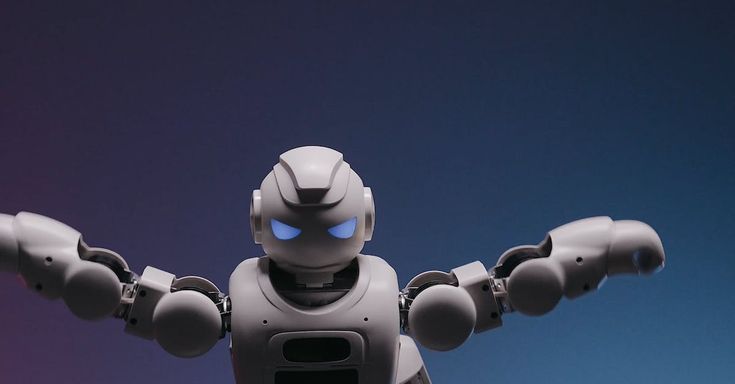
Certainly, let’s explore Something additional aspects of Robotics in AI:
- Education and Research: In the realm of education, AI-driven robots can serve as interactive tutors, providing personalized learning experiences for students. These robots can adapt their teaching methods based on individual learning styles and progress, making education more engaging and effective.
- Space Exploration: AI-powered robots are instrumental in space exploration missions. Robotic rovers, like NASA’s Curiosity and Perseverance, use AI to navigate and make decisions on the Martian surface. These robots gather critical data and pave the way for future human missions to other planets.
- Search and Rescue: In disaster scenarios, robots equipped with AI can be deployed to locate and rescue survivors in hazardous conditions. These robots can navigate through debris and assess the environment to guide human responders effectively.
- Entertainment and Creativity: AI-driven robots are entering the world of entertainment and art. They can compose music, create artwork, and even act in films. This fusion of creativity and technology is opening new avenues for artistic expression.
- Aging Population Support: With an aging global population, AI-driven robots can provide valuable assistance to seniors in their daily lives. They can help with tasks like medication reminders, fall detection, and companionship, promoting independent living.
- Environmental Monitoring: AI-equipped drones and underwater robots are used for environmental monitoring and conservation efforts. These robots can collect data on wildlife, track climate changes, and assess the health of ecosystems.
- Military and Defense: The military employs AI-powered robots for tasks like bomb disposal, surveillance, and reconnaissance. These robots can enter dangerous areas to protect human lives and gather critical information.
- Customization and Personalization: AI in robotics allows for greater customization. Robots can be tailored to specific tasks and environments, making them adaptable and versatile.
As Robotics in AI continues to advance, it will undoubtedly permeate more aspects of our lives and industries. However, with this expansion, it becomes increasingly important to address issues related to data privacy, security, and the responsible development of AI-driven robots. Striking a balance between innovation and ethical considerations will be crucial as we move forward in this exciting field.

The future of the robotics manufacturing industry is poised for significant growth and transformation, driven by advancements in technology and changing industry needs. Here are some key trends and developments to anticipate in the future of robots in manufacturing:
- Increased Automation: Automation in manufacturing will continue to expand. Robots will handle a broader range of tasks, from repetitive assembly line work to more complex and precise operations. This will lead to higher productivity and cost savings.
- Collaborative Robots (Cobots): Collaborative robots, designed to work alongside humans, will become more prevalent. These robots are equipped with advanced safety features, allowing them to share the workspace with human workers. They will be used for tasks requiring dexterity and adaptability.
- AI-Powered Robotics: Artificial Intelligence will play a crucial role in manufacturing robots. AI algorithms will enable robots to make real-time decisions, adapt to changing conditions, and optimize production processes for efficiency.
- Customization and Flexibility: Manufacturers will demand more flexible robots that can be easily reprogrammed or adapted to handle various tasks. This agility will be critical in meeting changing market demands and reducing setup times.
- 3D Printing and Additive Manufacturing: Robots will be integrated into 3D printing and additive manufacturing processes. They will create intricate and customized parts with precision, leading to reduced waste and shorter production cycles.
- IoT Integration: The Internet of Things (IoT) will connect robots and manufacturing equipment, enabling data collection and analysis for predictive maintenance. This will minimize downtime and increase overall equipment efficiency.
- Sustainability: The manufacturing industry will place a greater emphasis on sustainability. Robots will be used to optimize resource usage, reduce energy consumption, and minimize waste, contributing to environmentally friendly production.
- Reshoring and Onshoring: The use of robots in manufacturing will facilitate reshoring and onshoring efforts, as automation can help offset higher labor costs and reduce the need for offshoring.
- Human Skills Enhancement: Rather than replacing human workers, robots will enhance their capabilities. Training and upskilling programs will be developed to help workers operate and maintain robots effectively.
- Supply Chain Integration: Robotics will be integrated into the entire supply chain, from production to logistics. Autonomous mobile robots (AMRs) will transport materials and finished products within factories and warehouses.
- Regulatory and Ethical Considerations: As the use of robots becomes more widespread, regulatory frameworks and ethical guidelines will evolve to ensure safety, privacy, and responsible use.
- Global Competitiveness: The adoption of advanced robotics will enhance the competitiveness of manufacturing industries in different countries, leading to increased economic growth and job opportunities.
In conclusion, the future of the robotics manufacturing industry promises a dynamic landscape with increased automation, collaboration between robots and humans, and a focus on efficiency, sustainability, and adaptability. As technology continues to advance, manufacturers who embrace these trends will be better positioned to thrive in the evolving global market.

- Cost Reduction: To make robots more accessible, there would need to be a significant reduction in the cost of manufacturing and developing consumer-oriented robots. This could potentially happen as technology matures and economies of scale come into play.
- Consumer Demand: Widespread adoption of robots by the public would depend on the emergence of compelling use cases and consumer demand. Just as smartphones became integral to daily life due to their versatility, robots would need to offer practical benefits that resonate with consumers.
- Technological Advancements: The development of simpler, user-friendly interfaces and robust, self-maintaining robots would be necessary to make them accessible to a broad audience. Ease of use and reliability are crucial factors.
- Regulatory Considerations: Governments would need to establish regulations and standards to ensure the safe and responsible use of consumer robots. This includes addressing concerns related to privacy, security, and safety.
- Education and Training: As robots become more accessible, education and training programs would be essential to help users understand how to operate and interact with them effectively.
- Economic and Cultural Factors: Socioeconomic factors will play a role in how accessible robots become. Access to robots may vary based on income levels and cultural attitudes toward automation.
- Market Development: Companies would need to invest in marketing and market development to create awareness and stimulate consumer interest in robots.
- Network Infrastructure: Some robots might rely on network connectivity for various functions. Ensuring widespread access to reliable internet and network infrastructure would be important.
In the future, we may see a scenario where certain types of consumer robots become more accessible, perhaps starting with specialized applications like home cleaning or personal assistants. Over time, as technology advances and becomes more affordable, the range of consumer robots could expand, making them as ubiquitous as mobile phones. However, this transition would likely take years or even decades and would require a combination of technological innovation, market demand, and regulatory support.

As of my last knowledge update in September 2021, several companies were at the forefront of advancements in the field of robotics. Keep in mind that the landscape may have evolved since then, but here are some notable comp
- Boston Dynamics: Known for their highly advanced robots like Spot, Atlas, and Handle, Boston Dynamics specializes in agile and versatile robots designed for various applications, from logistics to construction.
- iRobot: Famous for their Roomba vacuum cleaner robots, iRobot continues to innovate in the consumer robotics space, developing robots for cleaning, mopping, and lawn maintenance.
- Universal Robots: Universal Robots is a pioneer in collaborative robot (cobot) technology, producing robots that work alongside humans on manufacturing floors to increase productivity and efficiency.
- Fanuc: A major player in industrial robotics, Fanuc provides automation solutions for various industries, including automotive, aerospace, and manufacturing, with a focus on factory automation.
- KUKA: KUKA is a German robotics company known for its industrial robots used in manufacturing, as well as robots for medical, entertainment, and other applications.
- ABB: ABB offers a wide range of industrial robots and automation solutions, including collaborative robots, for industries such as automotive, electronics, and logistics.
- Yaskawa Electric Corporation: Yaskawa is a global robotics and automation company with a strong presence in industrial robotics, particularly in welding and assembly applications.
- SoftBank Robotics: Known for their humanoid robot Pepper, SoftBank Robotics focuses on service and social robots, designed to interact with and assist humans in various settings.
- NVIDIA: While primarily known for their graphics processing units (GPUs), NVIDIA is a leader in AI hardware and software, which are essential components in many robotic systems.
- Tesla: Tesla, under the leadership of Elon Musk, has been developing advanced AI and robotics technology for their electric vehicles, including autonomous driving capabilities.
- Amazon Robotics: Amazon has been heavily investing in robotics to optimize its e-commerce operations, using robots in warehouses and distribution centers to enhance efficiency.
- Waymo: A subsidiary of Alphabet (Google’s parent company), Waymo is a leader in autonomous vehicle technology, utilizing AI and robotics for self-driving cars.
Please note that the field of robotics is dynamic, and new players and developments may have emerged since my last update. Additionally, the specific areas of focus for these companies may have evolved. It’s advisable to check the latest news and developments in the robotics industry to get the most up-to-date information on companies advancing in this field.
 kohsarblog
Leave a comment