Open sidebar
AI History and Evolution
Title: A Journey Through Time: The History and Evolution of Artificial Intelligence
Introduction: Artificial Intelligence (AI) has emerged as one of the most transformative technologies of our time, but its roots extend far back into history. This article explores the fascinating history and evolution of AI, tracing its development from ancient myths to modern breakthroughs.
I. The Ancient Beginnings: The concept of creating artificial beings with human-like intelligence dates back thousands of years. In ancient Greek mythology, tales of automatons like Talos and Pygmalion’s Galatea captured the human imagination. These stories sowed the seeds of AI, inspiring future generations to create intelligent machines.
II. The Early Machines: The 19th century witnessed the birth of mechanical devices that attempted to mimic human thought processes. Charles Babbage’s Analytical Engine, often considered a precursor to modern computers, laid the foundation for programmable machines. Ada Lovelace, the world’s first computer programmer, recognized its potential to perform various tasks.
III. The Turing Test and World War II: The 20th century brought significant developments. Alan Turing’s groundbreaking work introduced the concept of a “universal machine” capable of performing any computation. Turing also proposed the famous Turing Test, a benchmark for measuring a machine’s ability to exhibit intelligent behavior indistinguishable from that of a human.
During World War II, the need for automated calculations led to the creation of the Colossus, the world’s first programmable digital computer, which played a vital role in deciphering German codes.
IV. The Dartmouth Workshop and Birth of AI: In 1956, the Dartmouth Workshop marked a pivotal moment in AI history. John McCarthy, Marvin Minsky, Nathaniel Rochester, and Claude Shannon coined the term “artificial intelligence” and convened a group to explore machine learning, problem-solving, and symbolic reasoning.
V. The AI Winter and Resurgence: The 1970s and ’80s saw initial optimism in AI research, but it was followed by the “AI winter,” a period of reduced funding and progress. However, the field rebounded in the late ’90s with advancements in machine learning, expert systems, and neural networks.
VI. Deep Learning and Modern AI: The 21st century witnessed the explosive growth of AI, driven by advances in deep learning and neural networks. Technologies like natural language processing and computer vision have enabled AI systems to understand and interact with humans in unprecedented ways.
VII. AI Applications Today: AI is now an integral part of our lives, powering virtual assistants, autonomous vehicles, medical diagnosis systems, and more. It continues to shape industries like healthcare, finance, and entertainment, enhancing efficiency and innovation.
VIII. The Ethical and Societal Impact: With great power comes great responsibility. As AI becomes more pervasive, ethical concerns around privacy, bias, and job displacement have gained prominence. Society must navigate these challenges while reaping the benefits of AI.
Conclusion: The history and evolution of AI are a testament to human ingenuity and our quest to create machines that can emulate our intelligence. From ancient myths to modern breakthroughs, AI has come a long way. As we move forward, the responsible development and ethical use of AI will be paramount in shaping its future impact on society.
Certainly, let’s continue exploring the history and evolution of AI:
IX. Breakthroughs in Machine Learning: In recent years, machine learning has been a driving force in AI’s evolution. Algorithms like support vector machines, decision trees, and random forests have been instrumental in tasks such as data classification, pattern recognition, and recommendation systems.
X. Reinforcement Learning and Autonomous Systems: Reinforcement learning has empowered AI to make decisions through trial and error, leading to the development of autonomous systems. This includes self-driving cars, drones, and robots capable of learning from their environment and adapting to new situations.
XI. AI in Healthcare: AI has made significant strides in healthcare, aiding in disease diagnosis, drug discovery, and personalized treatment plans. Machine learning models analyze vast amounts of medical data, improving patient care and reducing errors.
XII. Natural Language Processing (NLP): Advancements in NLP have allowed AI systems to understand and generate human language with remarkable accuracy. This has given rise to chatbots, language translation services, and voice assistants like Siri and Alexa.
XIII. AI and Ethics: Ethical considerations in AI have become increasingly important. Issues such as algorithmic bias, data privacy, and the societal impact of AI-driven decisions are at the forefront of discussions. Organizations and researchers are working to develop guidelines and regulations to ensure responsible AI use.
XIV. Quantum Computing and AI: The emergence of quantum computing holds the promise of exponential growth in AI capabilities. Quantum computers have the potential to solve complex problems much faster than classical computers, revolutionizing AI research and applications.
XV. The Future of AI: Looking ahead, AI is poised to continue transforming industries and daily life. Innovations in robotics, virtual reality, and augmented reality will create new opportunities for AI integration. The development of AGI (Artificial General Intelligence), machines with human-level intelligence, remains a long-term goal and a subject of ongoing research.
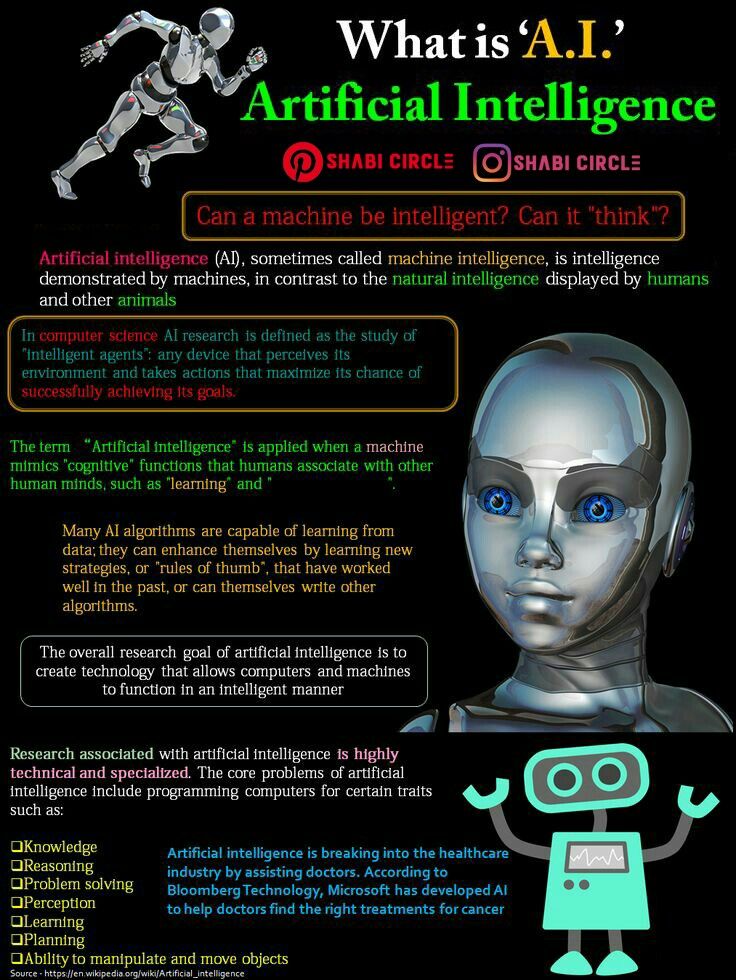
XVI. The Collaborative Human-AI Future: AI is not just about machines replacing humans; it’s about collaboration. Humans and AI systems working together can achieve remarkable feats. This partnership can enhance creativity, problem-solving, and productivity across various domains.
Conclusion: The history and evolution of AI have been marked by remarkable achievements, setbacks, and a constant drive to push the boundaries of what machines can do. As we navigate the future of AI, responsible development, ethical considerations, and the potential for collaboration between humans and AI will shape its trajectory. AI’s journey from ancient myths to modern marvels is a testament to human innovation and our unending quest to unlock the potential of intelligent machines.
Of course, let’s delve further into the evolution of AI and its current and future trends:
XVII. AI in Education: AI has begun to revolutionize education through personalized learning platforms, intelligent tutoring systems, and educational chatbots. These tools adapt to individual students’ needs, making education more accessible and effective.
XVIII. AI in Business: In the corporate world, AI has been deployed for tasks such as data analysis, predictive analytics, and customer service automation. Businesses use AI to gain insights, optimize operations, and improve customer experiences.
XIX. AI and Creativity: AI is expanding its role in creative fields. It can generate music, art, and even literature. AI-driven tools are assisting artists, musicians, and writers in their creative processes, sparking new forms of expression.
XX. Robotics and AI Integration: The synergy between robotics and AI is driving innovation in automation, manufacturing, and healthcare. Robots with AI capabilities are used in surgery, warehouse management, and more, enhancing efficiency and precision.
XXI. AI for Climate Change and Sustainability: AI is playing a crucial role in addressing climate change. It aids in climate modeling, resource optimization, and monitoring environmental changes. AI-powered solutions are helping us transition to more sustainable practices.
XXII. Quantum AI: The convergence of quantum computing and AI holds immense potential. Quantum AI algorithms can solve complex problems faster, impacting fields like cryptography, materials science, and drug discovery.
XXIII. AI in Space Exploration: AI is aiding space exploration by autonomously controlling rovers on distant planets, analyzing data from space telescopes, and assisting in mission planning. It reduces the risks and costs associated with space missions.
XXIV. AI and Healthcare Diagnostics: The healthcare sector is seeing AI applications in medical imaging, genomics, and drug discovery. AI algorithms can detect diseases earlier and assist in developing personalized treatment plans.
XXV. AI in Cybersecurity: As cyber threats grow more sophisticated, AI is used to detect and respond to security breaches in real time. AI-driven systems can analyze vast amounts of data to identify anomalies and potential threats.
XXVI. AI Ethics and Regulation: Governments and organizations worldwide are developing regulations and ethical guidelines to ensure the responsible use of AI. These efforts aim to address issues like bias, transparency, and accountability in AI systems.
XXVII. The Quest for AGI: Achieving Artificial General Intelligence, where machines possess human-like cognitive abilities across diverse tasks, remains a long-term goal. Researchers are exploring novel approaches, including neuro-inspired AI and reinforcement learning, to advance AGI development.
Conclusion: The history and evolution of AI have brought us to an era where AI touches nearly every aspect of our lives. As AI continues to evolve, its impact on society will be profound. Ensuring that AI development aligns with ethical principles and harnessing its potential for the betterment of humanity will be ongoing challenges and opportunities in the years to come. AI’s journey is far from over, and it promises a future filled with innovation, collaboration, and transformation across industries and disciplines.
 kohsarblog
Leave a comment