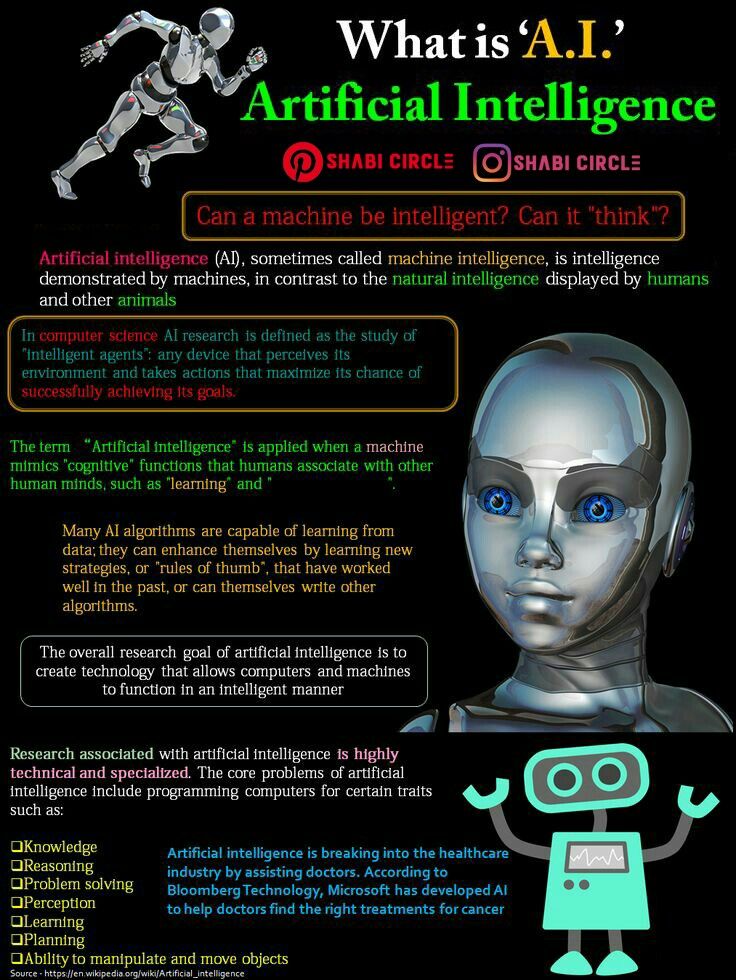
Predictive AI refers to artificial intelligence systems and algorithms that use historical data and patterns to make forecasts or predictions about future events or outcomes. These systems analyze large datasets, identify trends, and use this information to anticipate future occurrences. Predictive AI is commonly used in various fields, such as finance for stock market predictions, healthcare for disease diagnosis, marketing for customer behavior analysis, and many other applications where making informed predictions is valuable. It leverages techniques like machine learning, deep learning, and statistical modeling to make accurate forecasts based on available data.

PREDICTIVE AI V/S GENERATIVE AI
Predictive AI and Generative AI are two different branches of artificial intelligence with distinct purposes and capabilities:
- Predictive AI:
- Predictive AI, as previously mentioned, focuses on making predictions or forecasts based on historical data and patterns.
- It analyzes existing data to identify trends, correlations, and relationships, which are then used to make predictions about future events or outcomes.
- Common applications include predicting sales trends, customer behavior, equipment failures, and more.
- Examples of predictive AI techniques include regression analysis, time series forecasting, and machine learning algorithms like decision trees and neural networks.
- Generative AI:
- Generative AI, on the other hand, is designed to create new data or content that is similar to, but not identical to, existing data.
- It can generate text, images, music, and other types of content from scratch or based on a given input.
- Generative AI models, such as GANs (Generative Adversarial Networks) and language models like GPT (like the one you’re chatting with), are known for their ability to generate realistic and creative content.
- Applications of generative AI include text generation, image synthesis, style transfer, and more.
In summary, while Predictive AI focuses on predicting future outcomes based on historical data, Generative AI is all about creating new content that resembles existing data. Both have their unique use cases and play essential roles in various AI applications.

Certainly, let’s delve deeper into Predictive AI and Generative AI:
Predictive AI:
- Use Cases: Predictive AI is commonly used in various industries for tasks such as demand forecasting, fraud detection, recommendation systems, and predictive maintenance. For example, e-commerce companies use it to recommend products to customers based on their past behavior.
- Data Requirements: It relies heavily on historical data. The quality and quantity of data are crucial for building accurate predictive models.
- Algorithms: Common algorithms used in predictive AI include linear regression, logistic regression, decision trees, random forests, support vector machines, and deep learning neural networks.
- Evaluation: Predictive models are evaluated using metrics like Mean Squared Error (MSE), Root Mean Square Error (RMSE), accuracy, precision, recall, and F1-score, depending on the specific application.
Generative AI:
- Use Cases: Generative AI has gained prominence in creative tasks such as text generation, image generation, and even the creation of art. It’s used for applications like generating human-like text, creating deepfake videos, and generating realistic images.
- Data Requirements: While it benefits from a large and diverse dataset, generative AI models can often create content with less data than required for predictive AI. However, the quality of data still matters.
- Algorithms: Prominent generative AI models include GANs (Generative Adversarial Networks), VAEs (Variational Autoencoders), and large-scale language models like GPT (Generative Pre-trained Transformers).
- Evaluation: Evaluation of generative AI models can be challenging. Metrics like perplexity (for language models), Inception Score (for images), and human evaluation (for content quality) are used to assess performance.
In summary, Predictive AI is about making predictions based on historical data, whereas Generative AI focuses on creating new content. Both have made significant advancements in their respective fields and continue to have a profound impact on various industries and applications.
 kohsarblog
Leave a comment