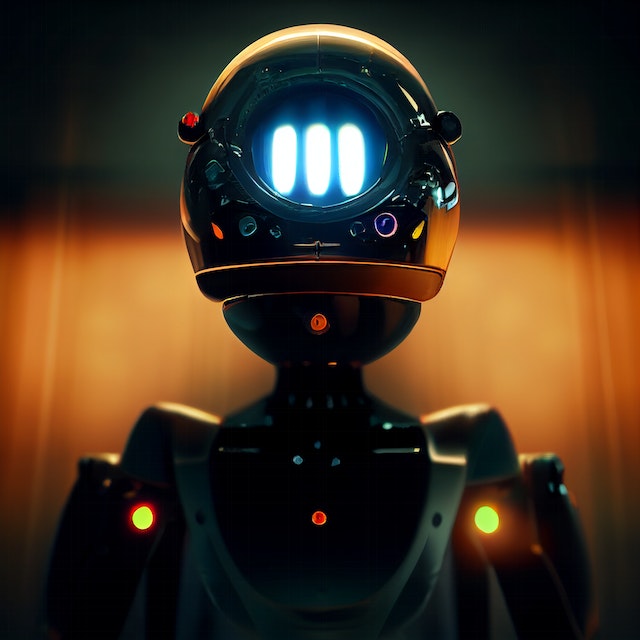
AI stands for “Artificial Intelligence”, which refers to the development of computer systems that can perform tasks that would typically require human intelligence, such as visual perception, speech recognition, decision-making, and language translation.
AI functions can be broadly categorized into four types:
- Reactive machines: These are AI systems that can only react to certain stimuli in a given situation. They do not have the ability to store past experiences or learn from them. Examples of reactive machines include Deep Blue, the chess-playing computer, and AlphaGo, the program that defeated a world champion at the board game Go.
- Limited memory: These AI systems can store and recall past experiences to inform future decisions. However, they can only use this memory for a short period. Self-driving cars are an example of limited memory AI, as they can store information about past driving experiences to inform their decision-making process.
- Theory of mind: These AI systems can understand the mental states of others, including their emotions, beliefs, and intentions. This type of AI is not yet fully developed, but it is being researched for applications in fields such as psychology and social robotics.
- Self-awareness: These AI systems can not only understand their environment but also their own existence within it. This type of AI is still entirely theoretical, but it is a topic of discussion among researchers and futurists.
Overall, AI functions can range from simple task automation to complex decision-making and cognitive abilities, and they have the potential to transform a variety of industries and aspects of daily life.

AI کا مطلب “Artificial Intelligence” ہے جو کمپیوٹر سسٹموں کے ترقیاتی پروگرامات کی تشکیل کے لئے استعمال ہوتا ہے جو انسانی دماغ کے ایسے کام کر سکتے ہیں جیسے دیداری پرسپیکٹیو، بول چال کی شناخت، فیصلہ سازی اور زبان ترجمہ۔
AI کے کام کی وظائف کو چار قسموں میں تقسیم کیا جا سکتا ہے۔
- Reactive machines: ان AI سسٹمز کو صرف مخصوص ستائشوں پر ردعمل دینے کی صلاحیت ہوتی ہے۔ ان کے پاس گزشتہ تجربات کو ذخیرہ کرنے یا ان سے سیکھنے کی صلاحیت نہیں ہوتی۔ Deep Blue، شطرنج کھیلنے والا کمپیوٹر، اور AlphaGo، جو دنیا کے بورڈ کھیل Go کے ورلڈ چیمپئن کو شکست دینے والا پروگرام ہے، Reactive machines کے مثالیں ہیں۔
- Limited memory: ان AI سسٹمز کو پاس بیتی تجربات کو ذخیرہ کرنے اور ان کو استعمال کرکے فیصلہ سازی کرنے کی صلاحیت ہوتی ہے۔ البتہ، وہ صرف اس میموری کو مختصر مدت کے لئے استعمال کرسکتے ہیں۔ خود کار گاڑیاں اس قسم کی AI کی مثال ہیں کیونکہ وہ پاس بیتی گاڑی چلانے کے تجربات کو ذخیرہ کرکے اپنے فیصلہ سازی کے عمل کو مطلع کراسکتی ہیں۔
- Theory of mind: ان AI سسٹمز کو دوسروں کے ذ
Artificial Intelligence (AI) is a rapidly growing field that is transforming various industries and aspects of daily life. AI is the development of computer systems that can perform tasks that typically require human intelligence, such as visual perception, speech recognition, decision-making, and language translation.
One of the most significant advantages of AI is its ability to automate repetitive and tedious tasks, which can save time and resources for businesses and individuals. For example, AI-powered chatbots can handle customer queries and support, while AI algorithms can be used for fraud detection and credit scoring in the financial industry.
AI is also transforming healthcare by providing accurate and timely diagnoses through medical imaging analysis, and predicting disease outbreaks using machine learning algorithms. Additionally, AI is being used in transportation to improve traffic flow and reduce accidents through self-driving cars and smart traffic management systems.
In the education sector, AI is being used to personalize learning experiences and provide adaptive assessments to students. AI-powered educational platforms can also provide real-time feedback to teachers, helping them to tailor their teaching methods to individual students’ needs.
AI is not without its challenges and ethical concerns, such as biases in algorithms and the potential impact on job markets. However, these issues can be addressed through the responsible development and use of AI, including transparency in AI decision-making processes and responsible data handling practices.
In conclusion, AI is a powerful tool that has the potential to transform various industries and improve our daily lives. As we continue to develop AI technology, it is crucial to prioritize ethical considerations and ensure that AI is developed and used responsibly.


An algorithm is a set of instructions or a sequence of steps that are designed to solve a specific problem or accomplish a particular task. It is a finite sequence of well-defined instructions that takes some input, performs a set of specified operations, and produces an output.
In computer programming, algorithms are used to solve various problems, such as searching for a specific item in a list, sorting data, and performing mathematical operations. For example, a search algorithm may be used to find a particular word in a document, while a sorting algorithm may be used to arrange a list of numbers in ascending or descending order.
There are many types of algorithms, including brute-force algorithms, divide-and-conquer algorithms, dynamic programming algorithms, and heuristic algorithms. The choice of algorithm depends on the specific problem being solved and the resources available.
Algorithms play a crucial role in various aspects of modern life, such as computer science, engineering, finance, healthcare, and many others. They enable machines to perform complex tasks quickly and accurately, which can help to save time, resources, and improve efficiency.
In summary, an algorithm is a set of instructions that are designed to solve a particular problem or accomplish a specific task. It is a fundamental concept in computer science and plays a vital role in various fields and industries.
- Machine learning Course
- Prompt Engineer Course
- Future Demand
 kohsarblog
Leave a comment